
When designing a club, The Dewey Schools considers two important questions: What are students interested in? And at this stage of their lives, what do they need to develop?
That is why Dewey’s club system is designed with clear developmental goals in mind for every age group. Across academics, skills, arts and sports, each club experience responds to the needs of students at different stages, creating a continuous journey from self-discovery and exploration to capability building and future direction.

This is also part of Dewey’s Holistic Development Programme, which supports students in growing in a balanced way across knowledge, character, emotional well-being, physical development and adaptability.
PRIMARY SCHOOL: BROADENING EXPERIENCES, DISCOVERING THE SELF
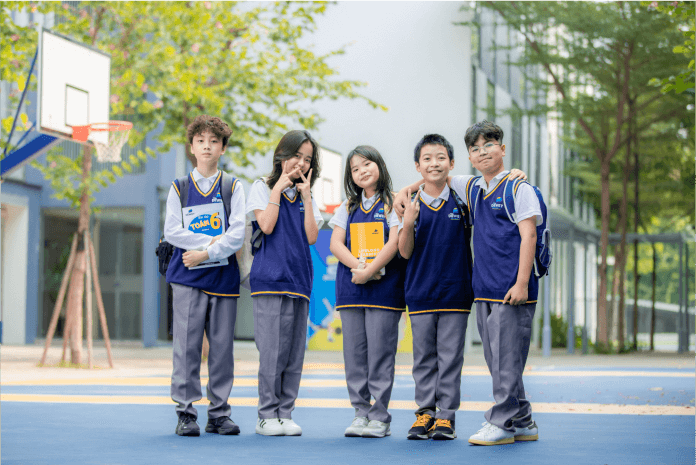
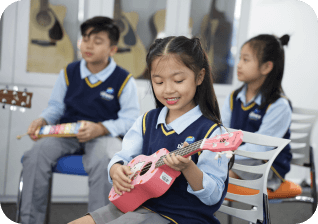
In the early years, students need a space wide enough to explore and try new things — whether that means a new way of thinking, expressing themselves or moving their bodies.
Exposure to a variety of fields at this stage helps TDSers build confidence while developing their communication, collaboration and creativity. Through each experience, they gradually begin to discover what they enjoy, where they feel most comfortable and which areas they would like to explore further.

MIDDLE SCHOOL: DEVELOPING SKILLS, BUILDING STRONG FOUNDATIONS
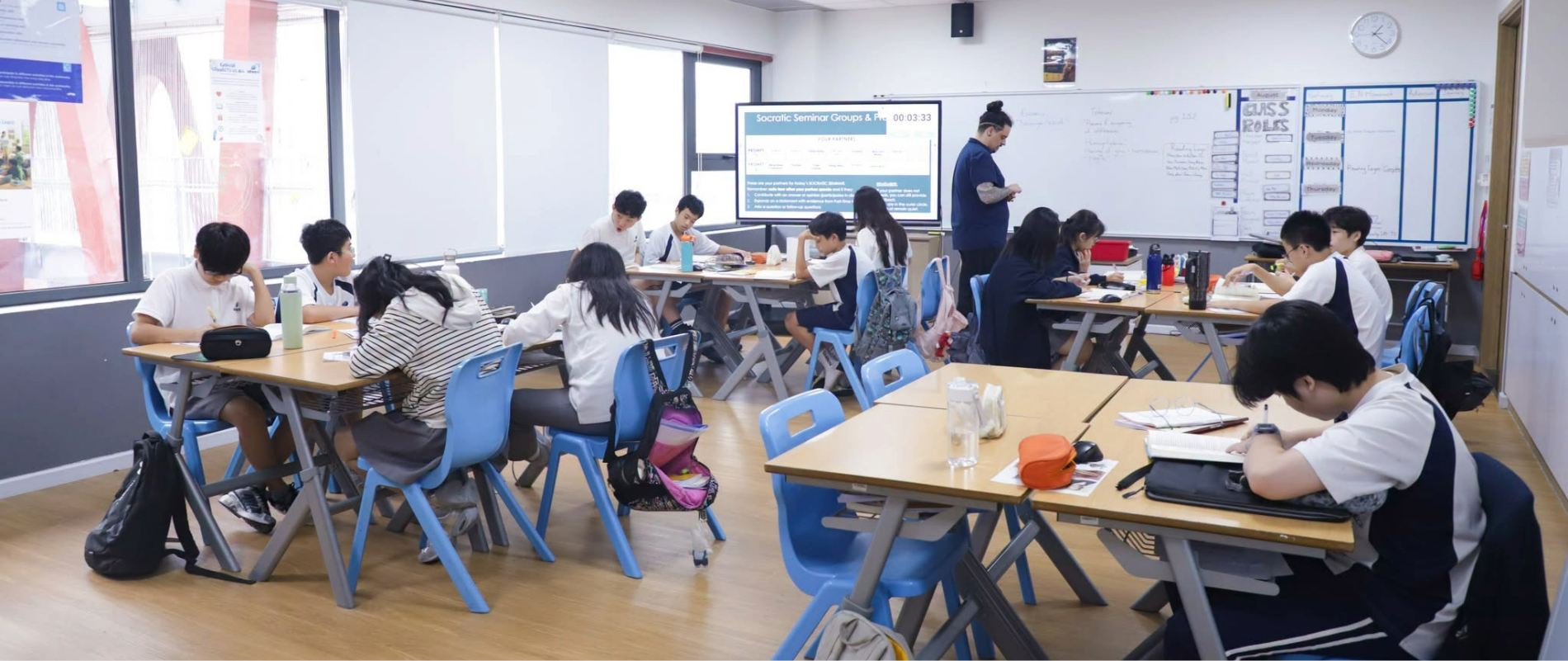
As students begin to develop clearer interests, they need opportunities to dive deeper and challenge themselves. At the middle school level, clubs therefore place greater emphasis on consistent practice, skill development and applying knowledge through projects, competitions, tournaments and other real-world opportunities.
At this stage, TDSers learn what it means to work towards a longer-term goal, collaborate with others, embrace feedback and keep refining their approach when things do not go as planned. These experiences help transform an initial interest into a developing strength, while fostering perseverance and a sense of responsibility for the choices they make.

HIGH SCHOOL: DEEPENING STRENGTHS, CONNECTING WITH THE FUTURE
In high school, students can focus more deeply on areas that align with their strengths and aspirations. They have opportunities to lead projects, take part in competitions, organise activities and step into leadership roles — turning their learning and practice into meaningful, tangible outcomes.
The experiences they accumulate over time can also add depth to their extracurricular profile, reflecting their abilities, initiative and commitment to the areas they choose to pursue. These experiences can then help students connect their personal strengths with subject choices, future fields of study and university applications.

Holistic development does not mean that every student has to excel in every area. What Dewey aims to provide is a wide range of opportunities for each student to explore broadly, develop deeply and gradually make choices that feel right for them.
Along this journey, clubs become an extension of the learning experience — a space where knowledge, skills, physical development, emotional growth and resilience can all be nurtured through every stage of growing up.