A screenshot of a private conversation, a mocking meme, a few people joining in on a group chat… To those involved, it may seem like “just a joke.” But for the person being targeted, it can feel very different.
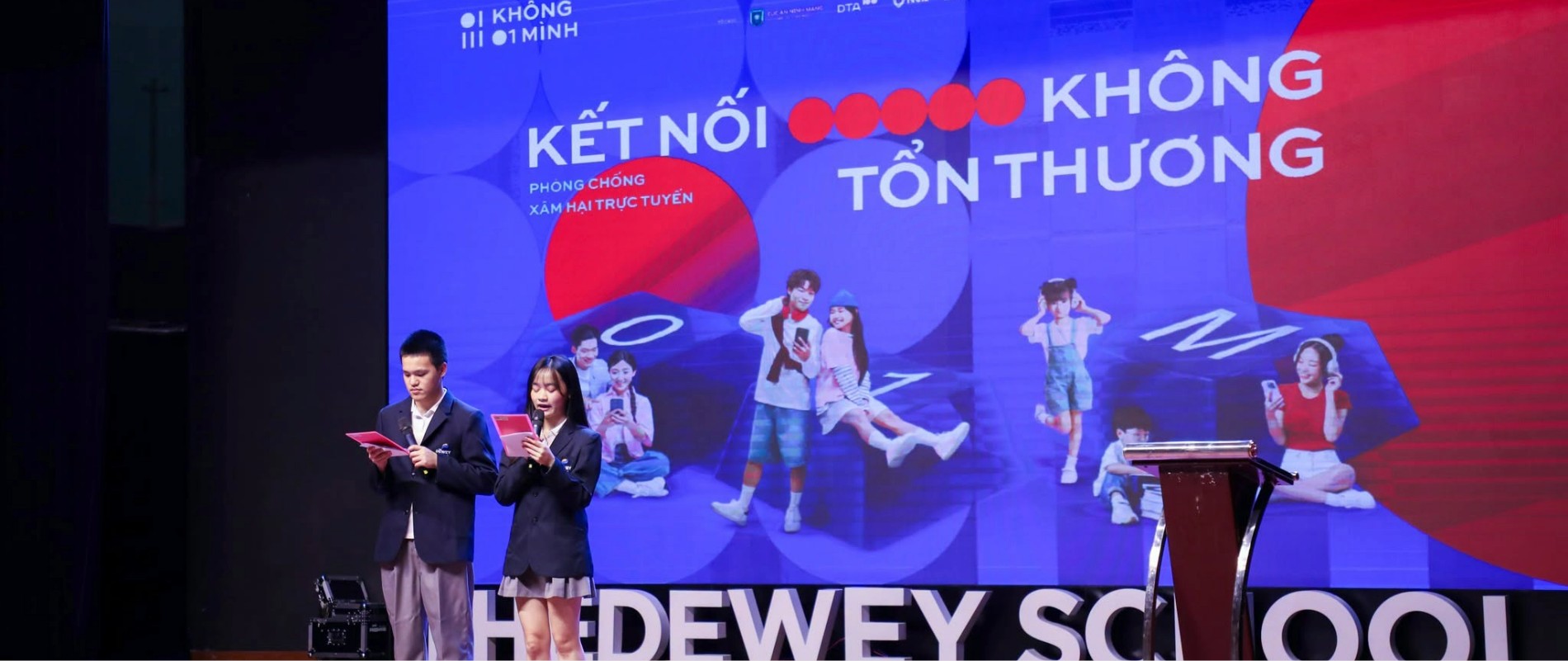
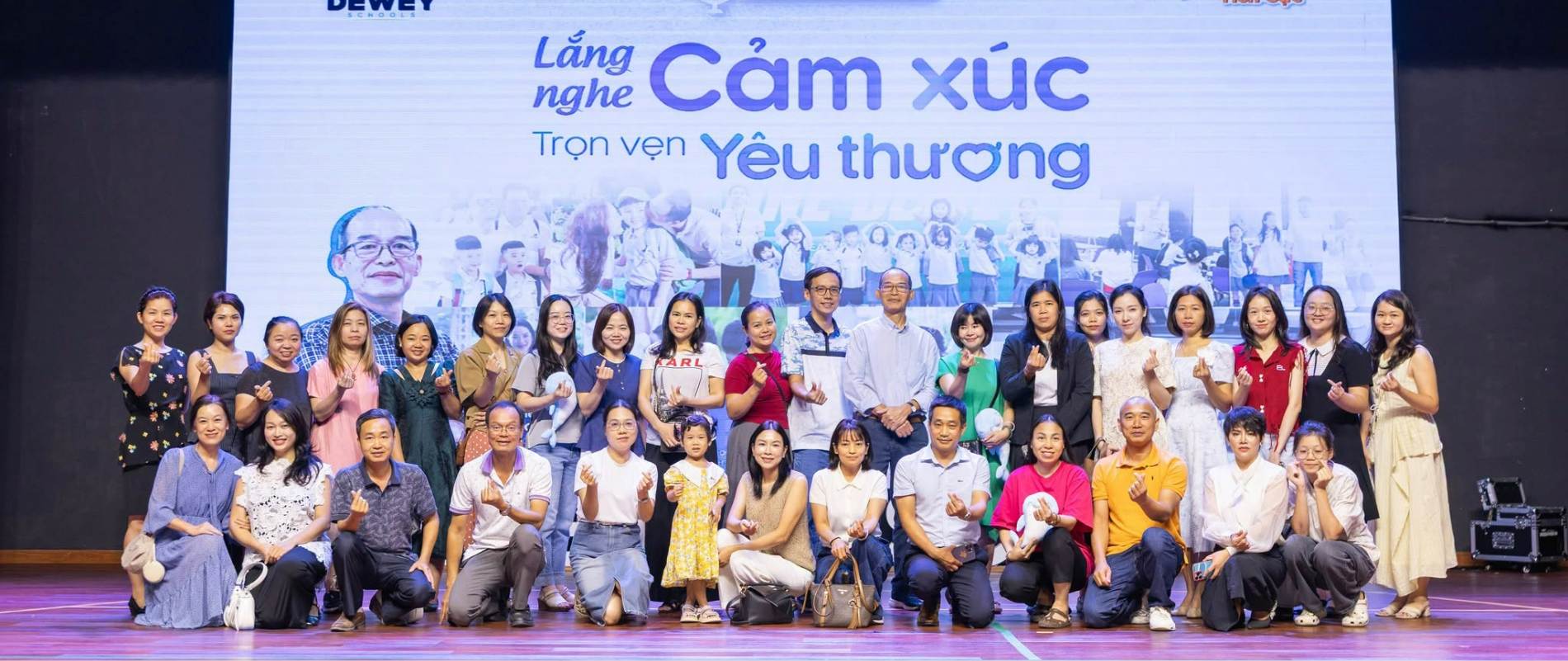
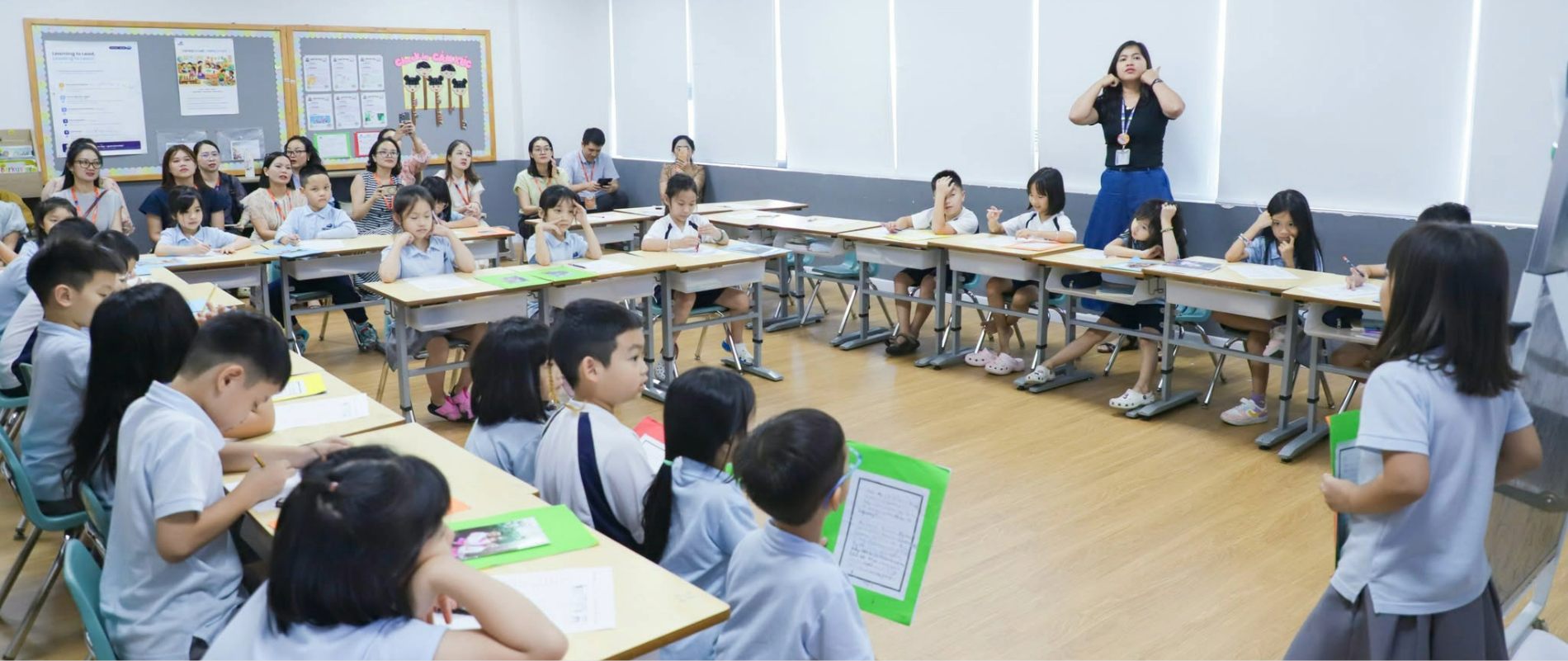
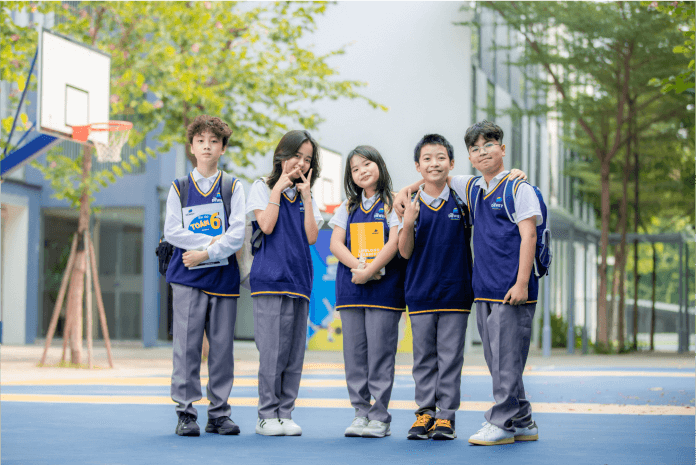
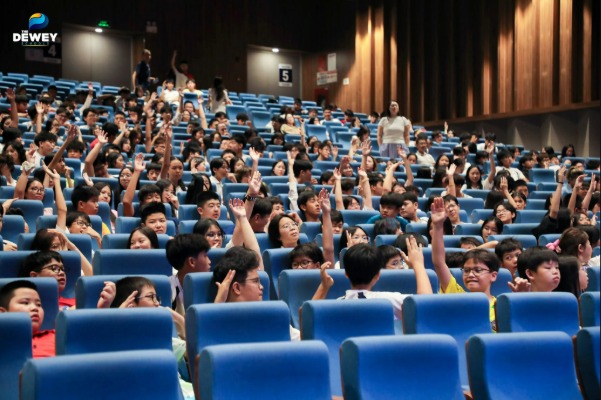
These were among the real-life situations discussed at the “Connecting Without Harm” workshop, hosted by The Dewey Schools as part of the “No One Alone” campaign.
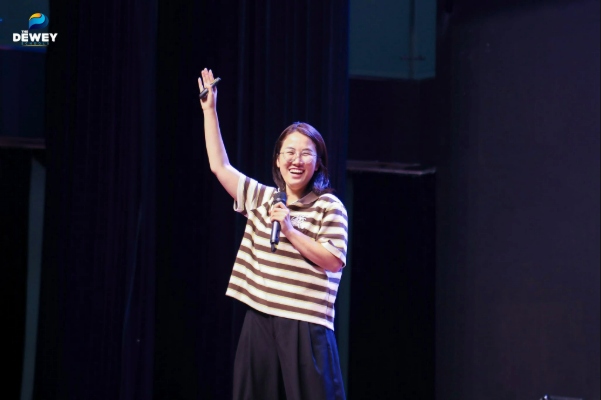
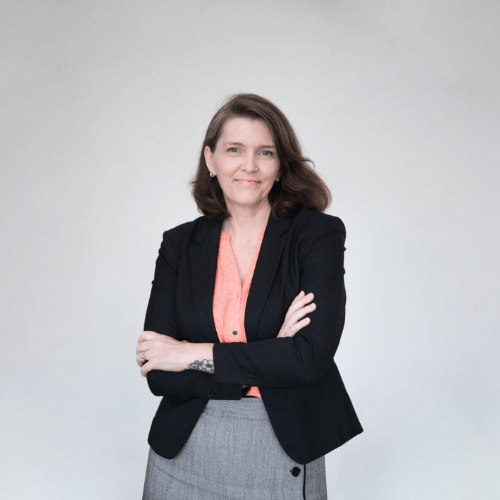
Joined by Ms. Nguyen Nhu Quynh, Master of Arts, School Digital Safety Expert and member of the Secretariat of the Digital Trust Alliance, students explored how to recognize manipulation, controlling behaviors, online harassment and cyberbullying. They learned that harmful behavior does not always come from strangers; it can also come from people they know. Even seemingly caring actions can become controlling when personal boundaries are not respected.
Students were reminded that they have the right to say “NO” to anything that makes them uncomfortable and to seek help when they need it. They also reflected on their own online behavior, recognizing that sharing private content or joining in with hurtful comments can contribute to cyberbullying.
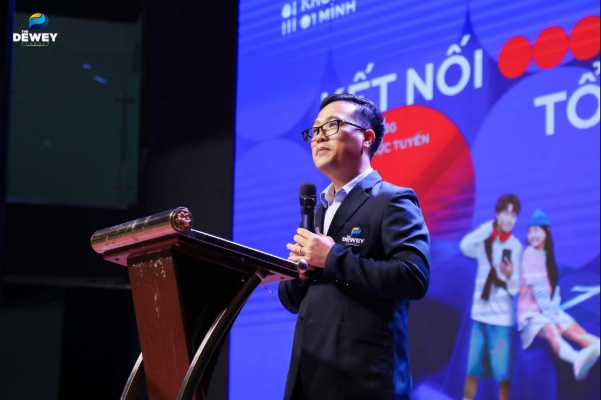
Lam Anh (11 Columbus), Dewey’s School Digital Safety Ambassador, shared: “I believe that a simple check-in, a genuine willingness to listen, or a timely act of support can make a real difference. And when we all work together, the online world can become a safer, more positive, and more compassionate place.”
“No One Alone” is also a reminder to those who witness online bullying. When someone becomes the target of a group, choosing not to join in, taking the time to listen and offering support can help them feel that they are not alone.
———
“No One Alone” is a nationwide campaign initiated by the Digital Trust Alliance (DTA). Now in its second year in 2026, the campaign carries the message “Connecting Without Harm” and aims to raise awareness and equip children and teenagers with the knowledge and skills to stay safe online. It is supported by the Ministry of Public Security, the Ministry of Education and Training, the Ministry of Health, the Ministry of Culture, Sports and Tourism, as well as international organizations including UNICEF and UNODC.