
Instead of worrying about being replaced by A.I, the more important question is: what should students do to master this technology?
The A.I in Education Workshop at Dewey offered middle and high school students a clear perspective: not only understanding A.I, but also learning how to use it proactively and responsibly in a rapidly changing technological landscape.

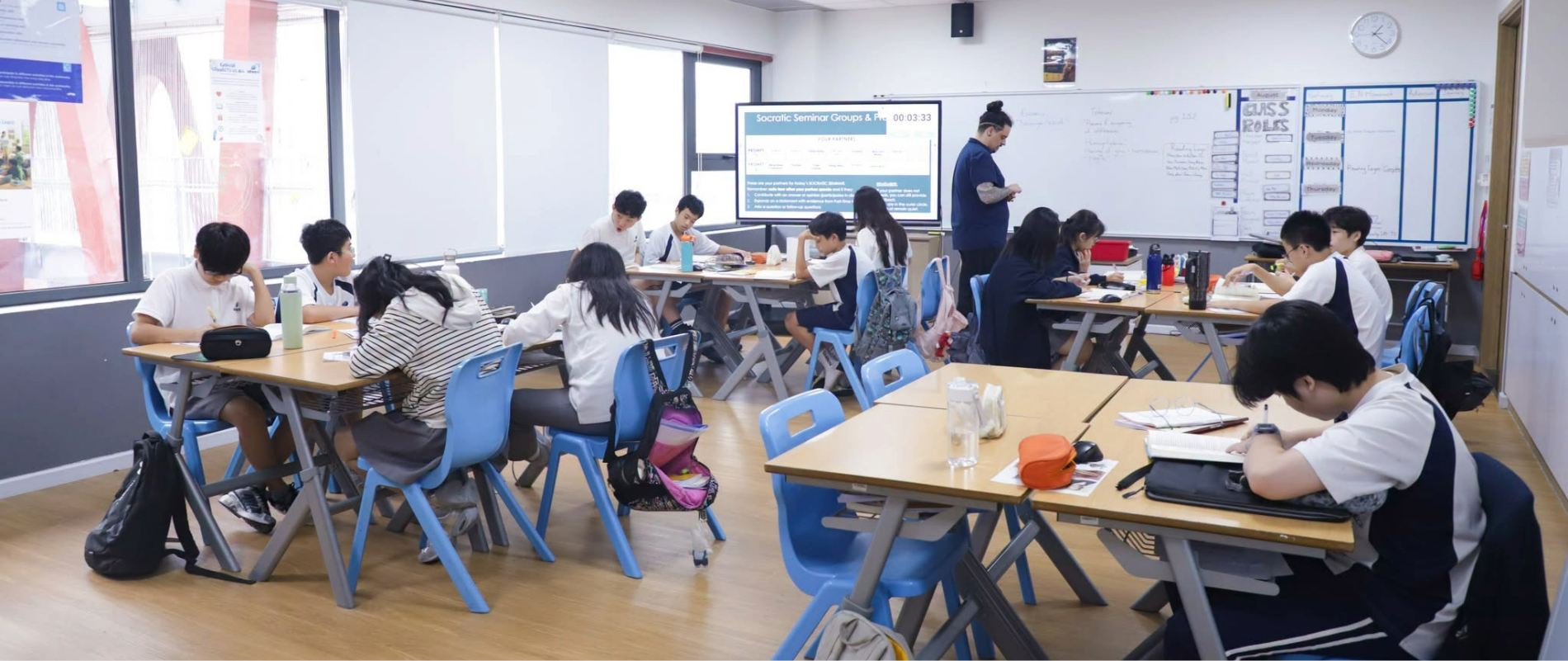
The program began with interactive activities that allowed students to quickly assess their knowledge of A.I and digital safety. Through scenarios involving fake news detection, information security, and data handling, students gradually developed the ability to adapt to the digital environment — an essential skill in the new era.

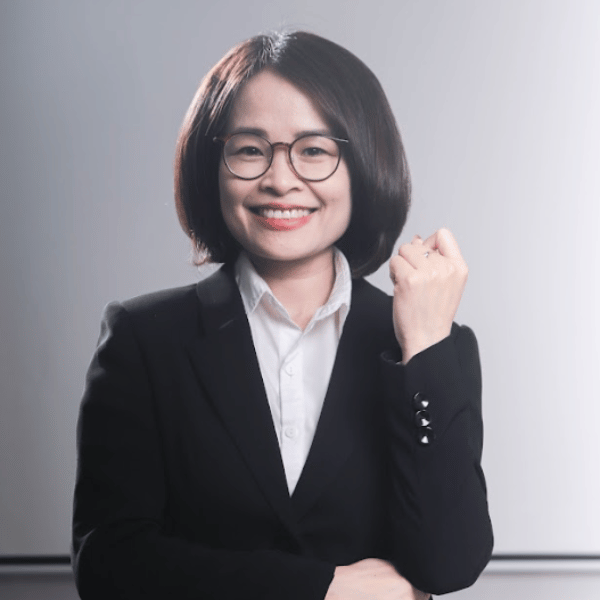
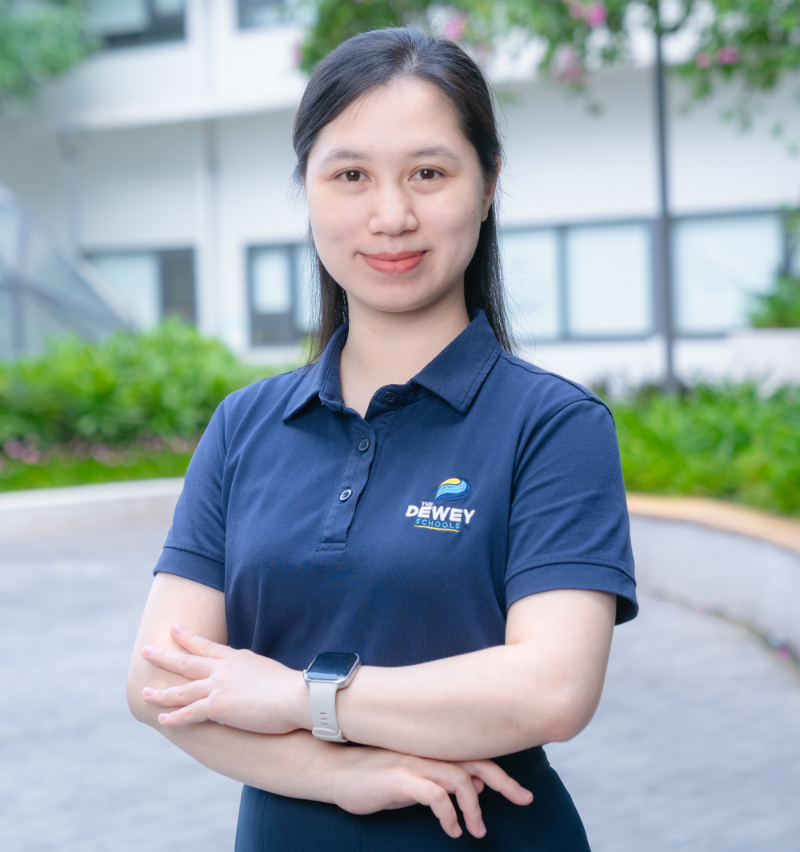
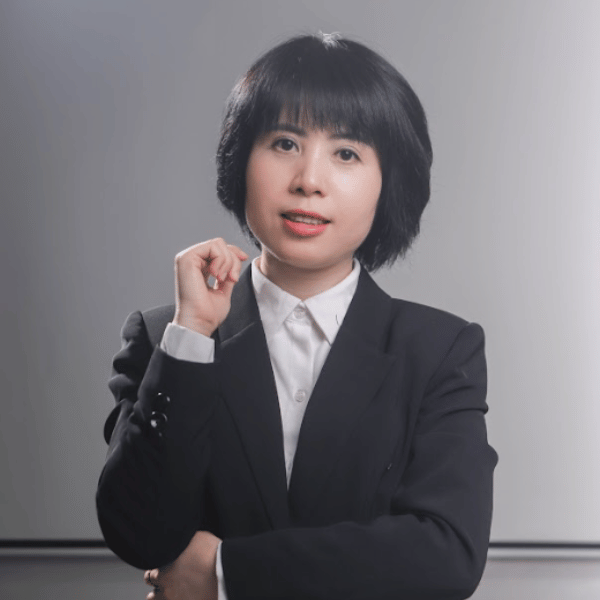
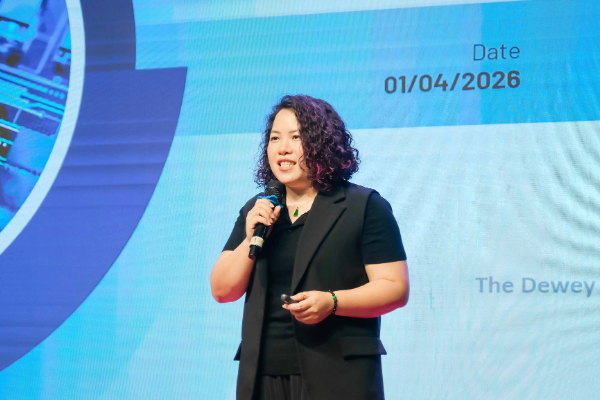
In the in-depth session, speaker Đỗ Hồng Nhung (Master of Education in Innovative Technologies in Education, Edgewood University, USA) focused on the importance of independent thinking when working with A.I. While A.I can help optimize the learning process, it is human abilities such as analysis, evaluation, and decision-making that truly create distinction. She emphasized: “The ability to think independently is what guides each individual to go further and in the right direction.”
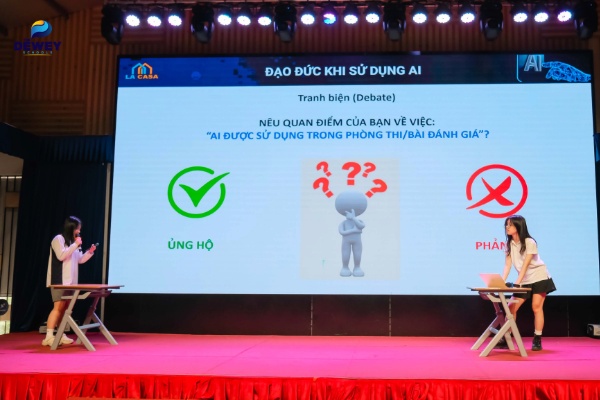
A highlight of the workshop was the mini debate on the topic: “Should A.I be used in learning?” Contrasting viewpoints were presented clearly: A.I can be an effective support tool, but it also carries the risk of weakening critical thinking skills if used without control. Through this activity, students not only practiced critical thinking but also developed a stronger sense of responsibility in using technology.
The workshop also reflected how Dewey designs flexible learning experiences that respond to an ever-changing real-world context, helping students understand that A.I is not a threat, but an environment in which they can strengthen their adaptability. Rather than being confined to a fixed curriculum or rigid theories, students are equipped with a growth mindset — ready to relearn, adjust, and “evolve” with every change. In a constantly moving world, the advantage belongs not to those who simply follow a predetermined path, but to those who embrace lifelong learning.