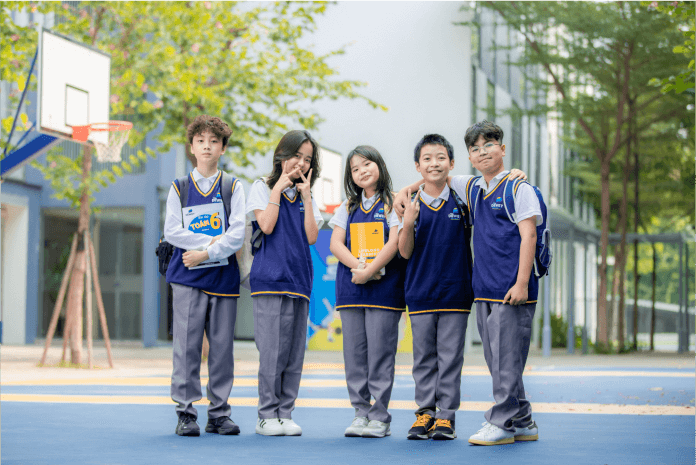

A visit to a museum may begin with observing art, but for the students of 11Denton, it also became the starting point of a deeper journey into critical thinking and understanding how people perceive knowledge. Following their visit to the Vietnam Fine Arts Museum, TDSers brought their reflections, perspectives, and inspirations into the TOK Exhibition — a showcase created as part of the Theory of Knowledge (TOK) course in the IB Diploma Programme.
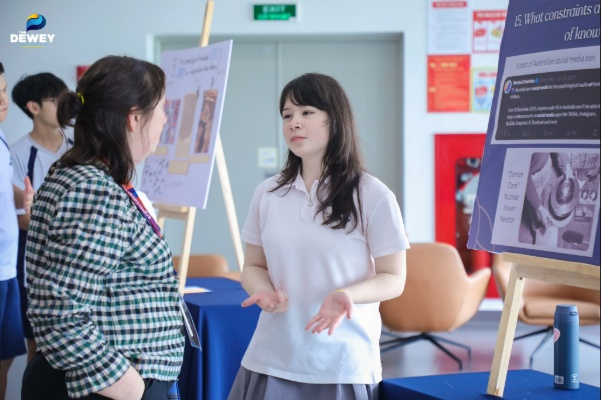
Inspired by the artworks they observed at the museum, each student selected an object, image, or story that resonated with them the most to analyze and present through their own personal perspective. Beyond discussing the artistic value of each piece, students explored deeper questions: Why do different people interpret the same artwork differently? Is knowledge always objective? And how do culture, history, and personal experiences shape the way we understand the world?
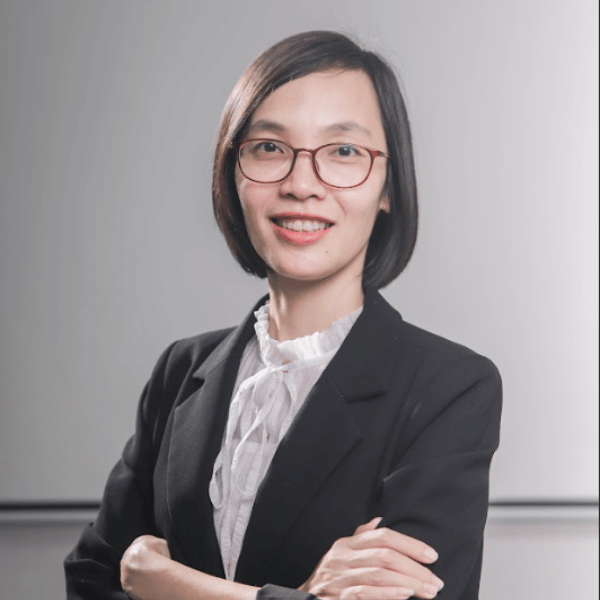
Sharing about the project, Ms. Fulya — IB teacher — stated: “The greatest value of TOK lies in giving students academic freedom. Students are encouraged to step beyond the familiar structure of traditional subjects to pursue topics they genuinely care about, allowing them to develop critical thinking skills.”
Through the artwork “Looking at Uncle Ho’s Portrait” by artist Nguyen Trong Hop, Quynh Anh (11Denton) realized that the same image can carry multiple layers of meaning depending on the viewer’s background and experiences. For many Vietnamese people, the artwork evokes historical emotions and collective memories; however, for those less familiar with Vietnam, it may simply appear as a visually compelling painting. This difference helped students understand that knowledge does not exist separately from people, but is always shaped by culture, lived experiences, and personal interpretation.
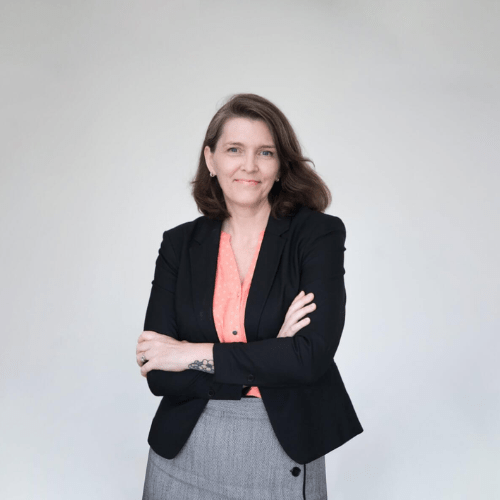
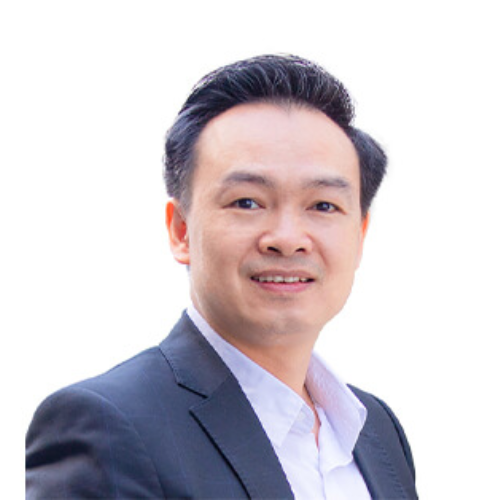
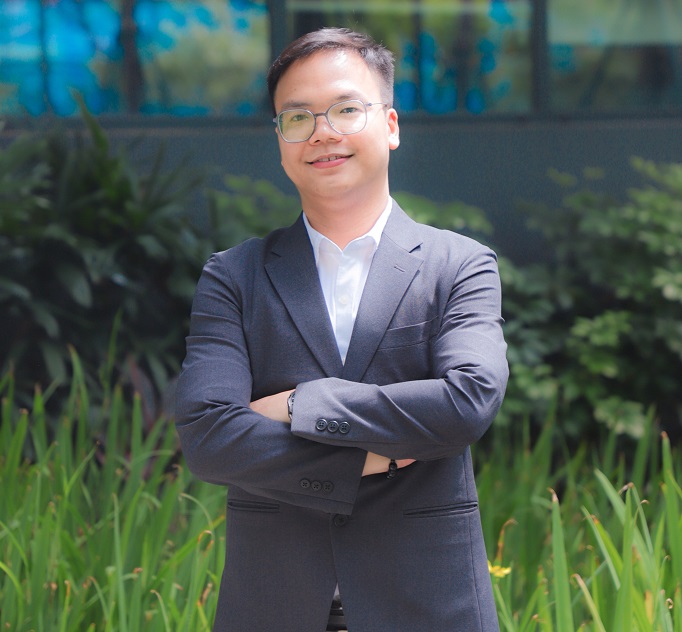
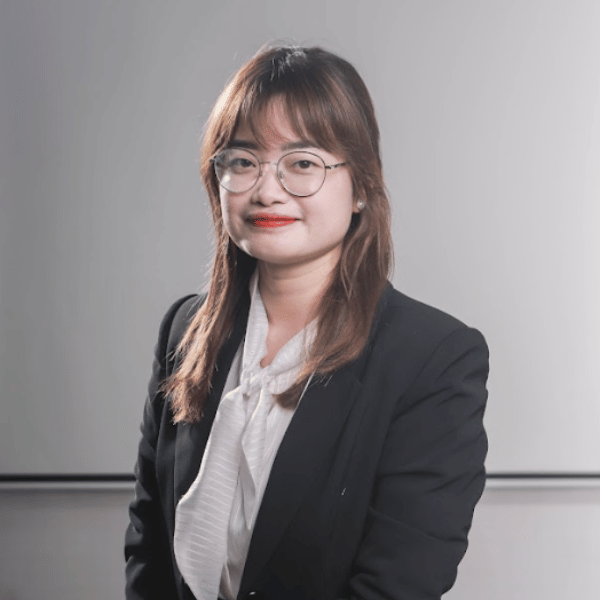
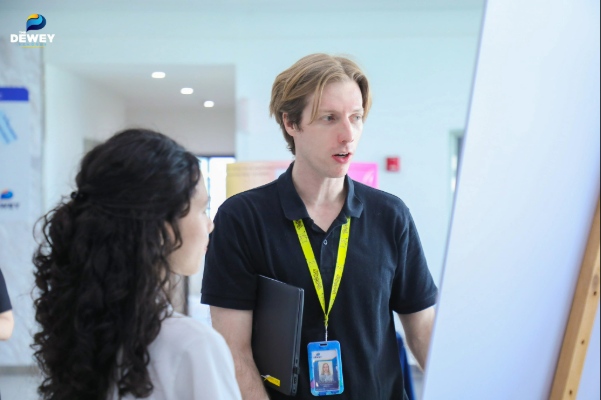
Impressed by the students’ presentations, Mr. Patrick and Ms. Freya from Brighton College Vietnam shared: “The students demonstrated impressive depth of understanding through their thoughtful analysis, detailed historical context, and strong supporting knowledge. What stood out most was their ability to connect deeply personal objects with broader issues related to culture, society, and science, showing remarkable critical thinking and intellectual maturity.”
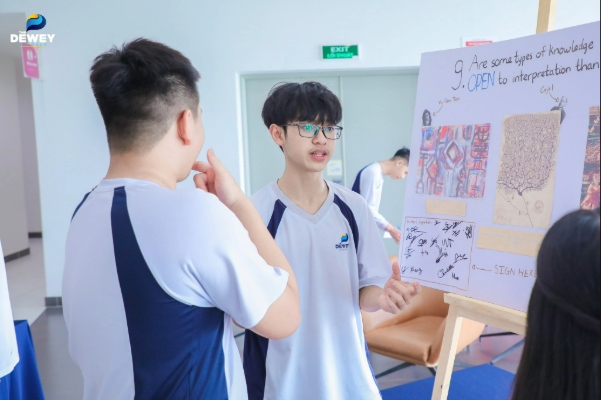
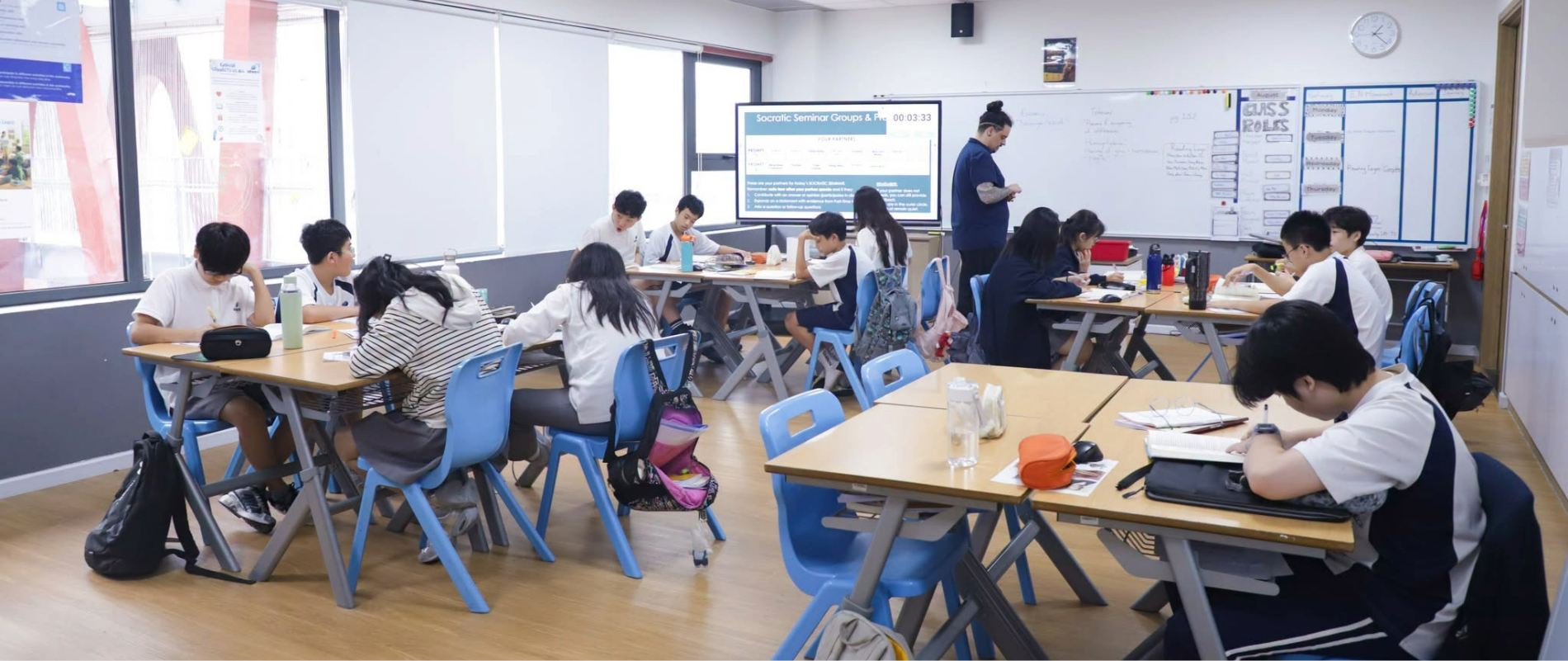
Although the exhibition lasted only two hours, the spirit of active learning and intellectual curiosity among Dewey students continues far beyond the event itself. Seeing their determination, proud smiles, and confidence as they defended their ideas against challenging questions, we can truly believe in a generation of Dewey learners — students who question in order to understand deeply, analyze in order to think critically, and are always ready to become globally minded citizens.