
MATHEMATICAL THINKING BECOMES THE “FOUNDATION” FOR DREAM HOMES
THE HOUSE-BUILDING CHALLENGE OF DEWEY SECONDARY AND HIGH SCHOOL ENGINEERS
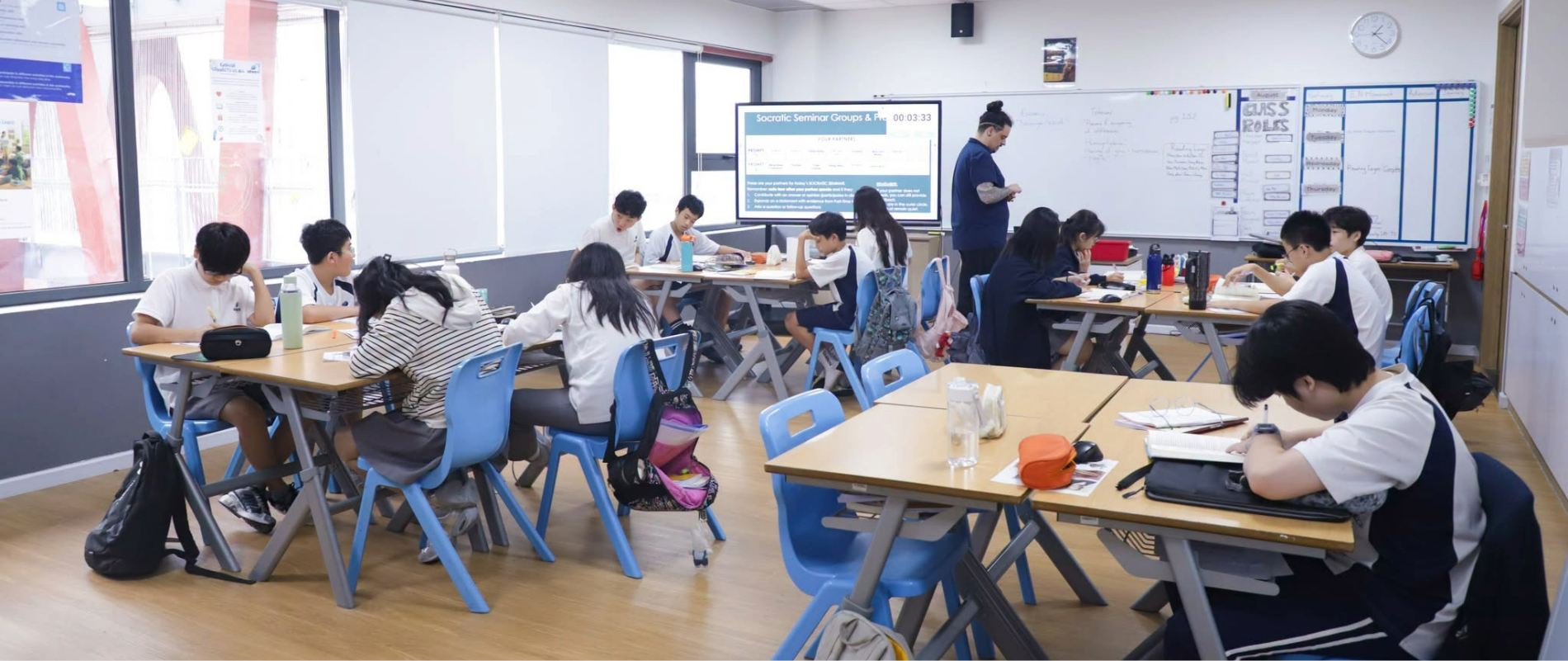
A budget estimate for an actual construction project, a mind map of an eco-friendly house, or a complex multi-dimensional 3D perspective rendering… All these tasks, which seem to belong to a professional architectural firm, have just taken place right inside the Mathematics classrooms of 7th and 11th-grade students. Mathematics at Dewey has left behind its dry theoretical coat to become a captivating experiential journey, where TDSers use logical thinking to define and solve problems in real life.
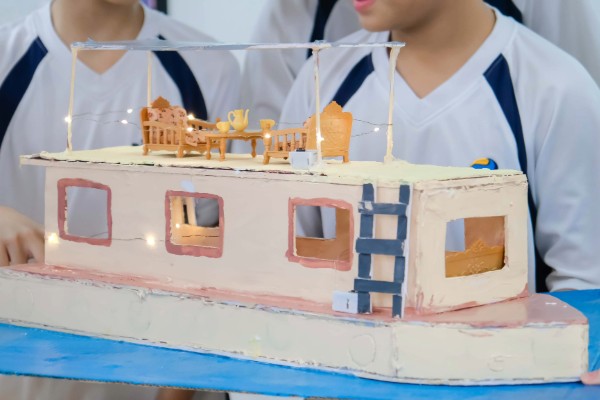
No longer bound to theoretical calculation exercises, 7th-grade students truly “played the role” of real junior engineers. From model paper sheets, they began measuring areas, calculating the amount of wall paint, the number of floor tiles, or each roofing sheet to optimize a basic budget. Throughout this process, students trained their meticulousness, logical thinking, and data-driven decision-making abilities. More importantly, they started to understand that behind every construction project lies countless mathematical problems that must be solved with scientific thinking and rational calculations.
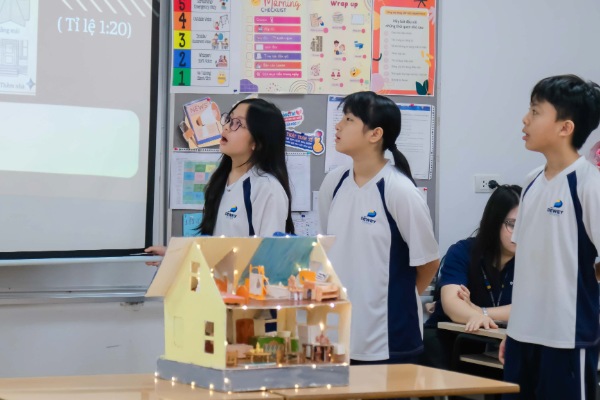
If the 7th grade is the starting journey, then for the 11th-grade seniors, that journey expands further with the depth of management thinking and technological competence. The high school students’ playing field extended into the digital space with complete 3D perspective designs via the Minecraft platform before being realized into vivid visual models. At this stage, they had to think like real executives: optimizing the budget from raw materials to interior furniture, while solving the green architecture problem with eco-friendly open spaces. Self-selecting terrains, balancing aesthetics and feasibility, and taking responsibility for the entire design plan helped students step-by-step form the mindset of a true project manager.
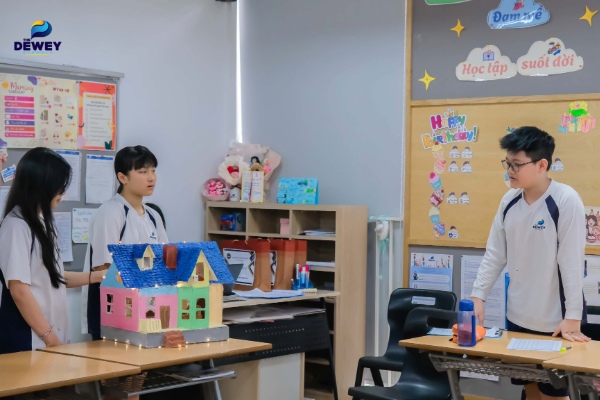
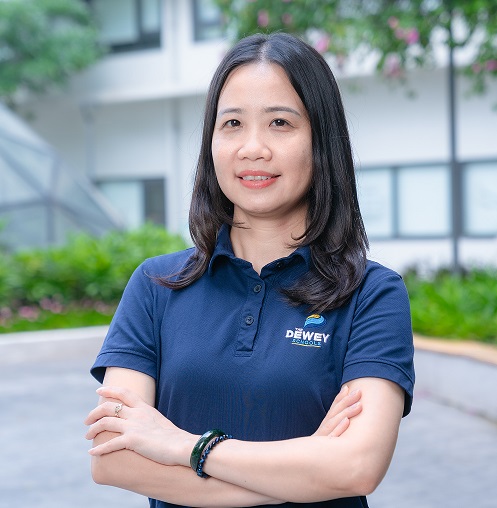
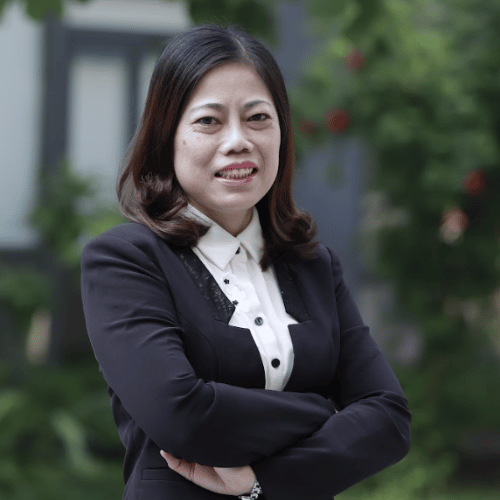
Witnessing the problem-solving capacity of their children, many parents could not help but feel surprised at the depth and practicality of the project. Ms. Le Trang, an expert in the field of economic project management and research (Parent of class 11 New York), excitedly shared: “I was very surprised that in such a short time, the children could produce such impressive products. Applying dimensions and scale from reality to models, utilizing knowledge of architecture, colors, fine arts, and materials… is something that even for an adult like me who has built a house before finds very difficult. But here, the teachers let the children be completely free with their ideas, from budgets to living spaces. From dry knowledge on paper, the children now realize what learning Math is for, helping to nurture their dreams for the future.”
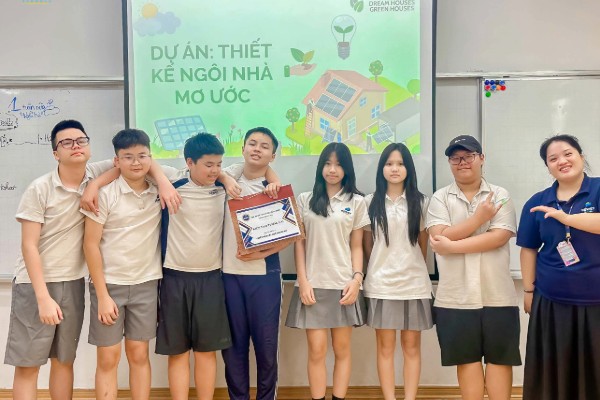
Through mathematics problems closely linked to reality and highly applicable in life, Mathematics at Dewey has proven its role as a launching pad for core future competencies. From here, they have equipped themselves with a toolkit of teamwork, communication, task coordination, and effective time management skills—the foundations of leadership capacity. That is also the “key” for future global citizens to confidently master their future and stay ready to face any complex problem of the modern world.