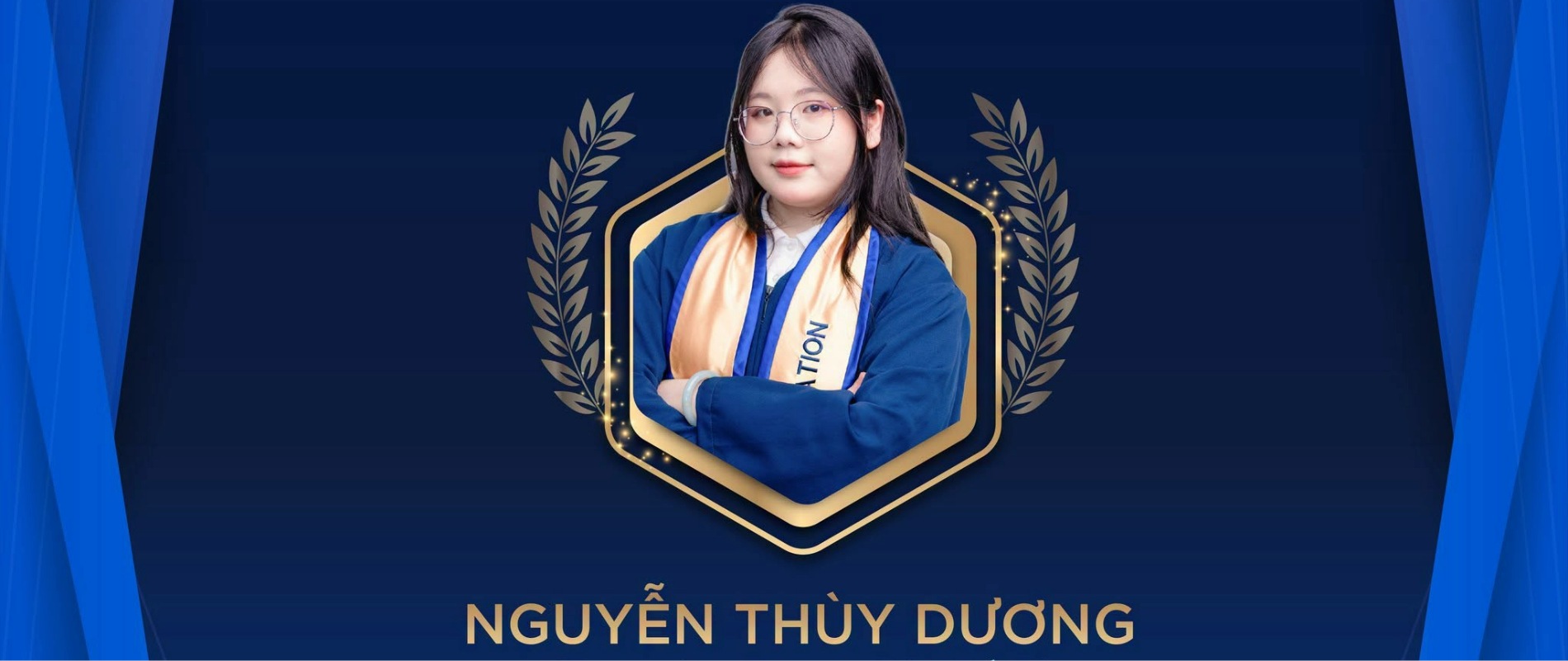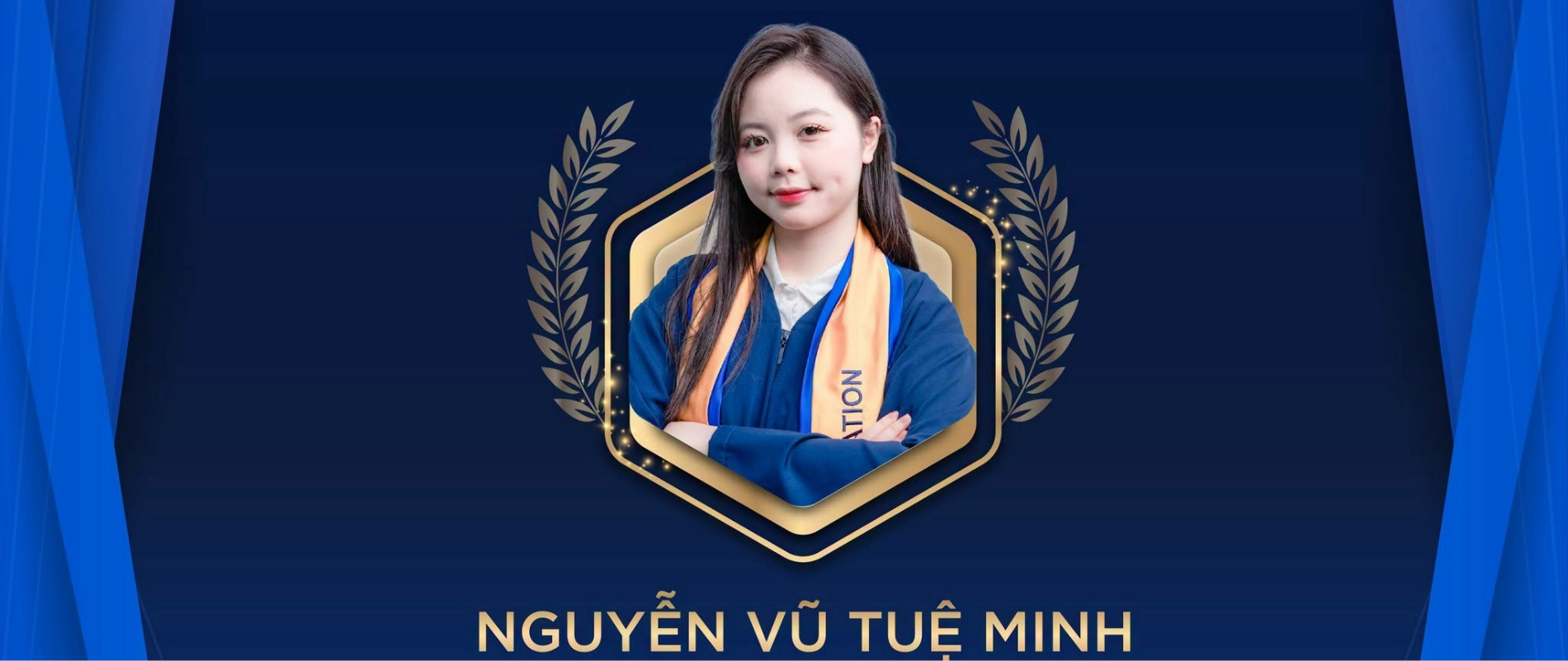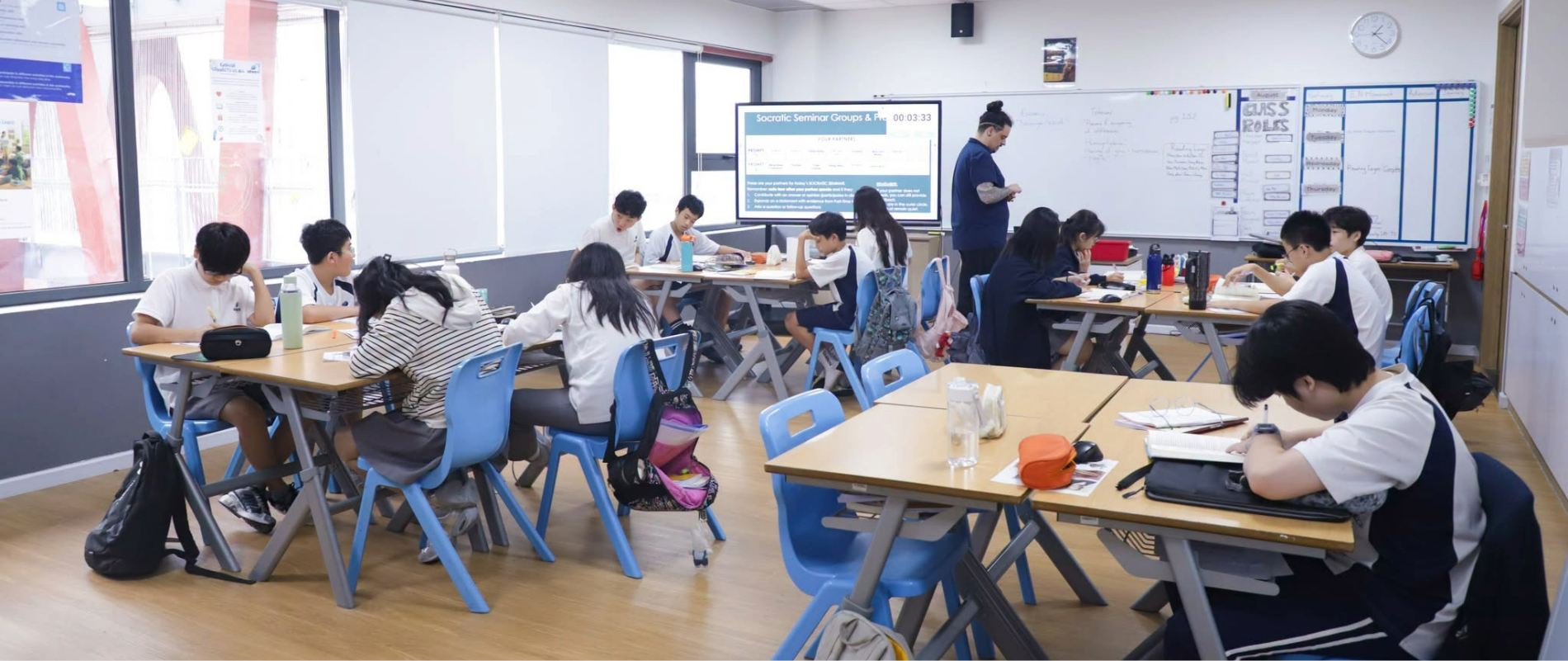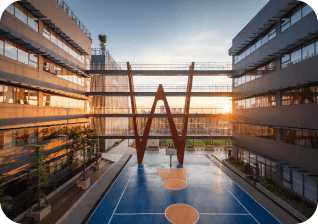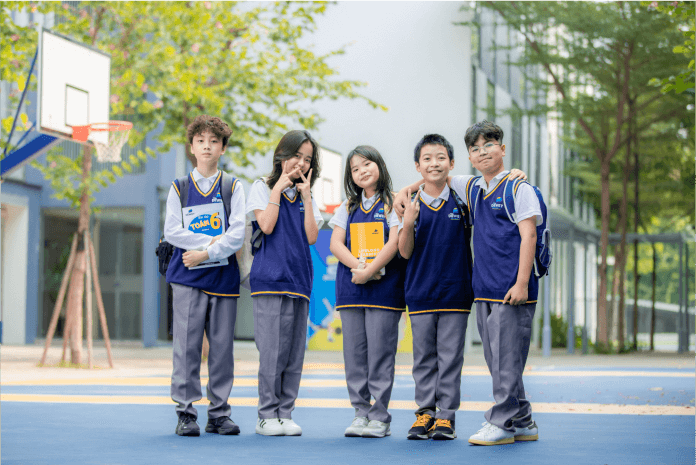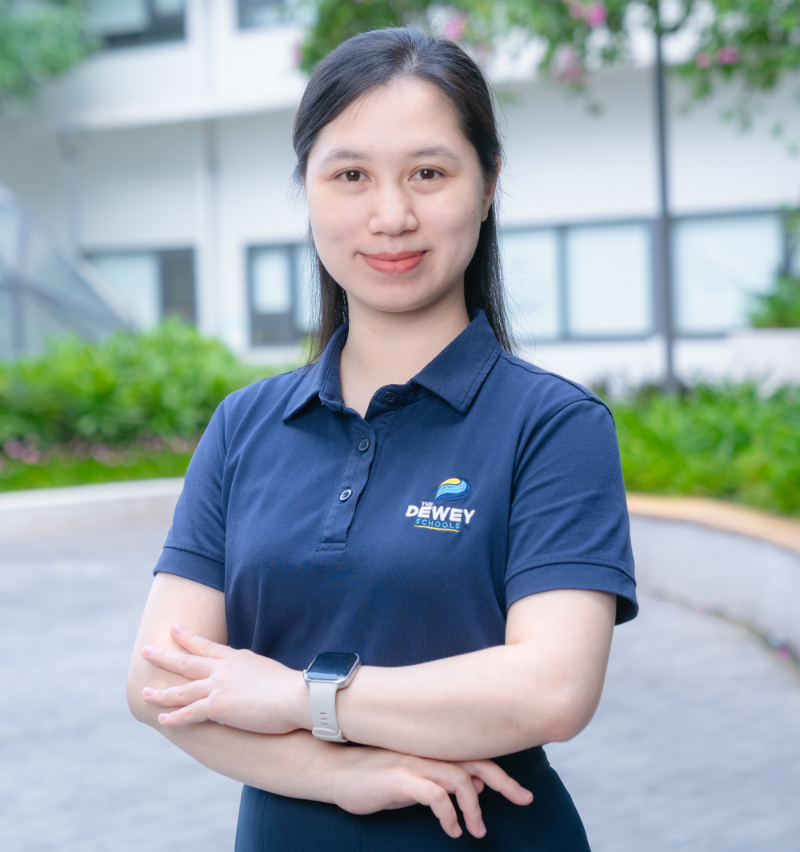

This summer, The Dewey Schools Hai Phong came alive as more than 50 young leaders from schools including Vinschool, FPT School, Kim Lien High School (Hanoi), and others gathered for Dewey Model United Nations (DMUN) 2026. What made the conference especially remarkable was that it was entirely conceptualized, coordinated, and operated by Dewey Hai Phong students themselves.
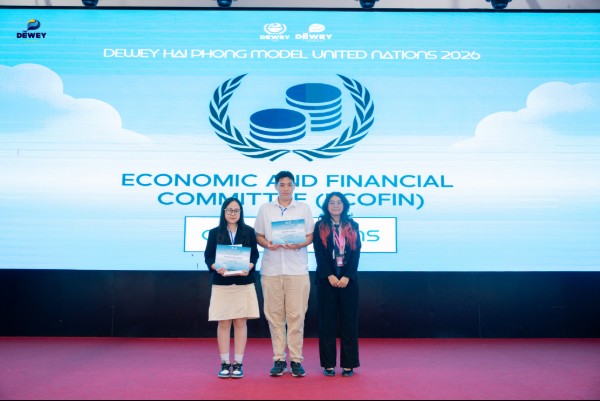
As a simulation of real United Nations sessions, DMUN 2026 offered students the opportunity to step into the role of diplomats representing countries from around the world.
This year, delegates engaged in two specialized committees addressing issues shaping the future of our world. From regulating the military use of emerging technologies such as artificial intelligence (AI), drones, and space technologies, to developing fair taxation policies for multinational technology corporations in the digital economy, each committee challenged students with complex questions that have no simple answers. To defend their assigned countries’ positions, delegates conducted in-depth research into political, economic, and diplomatic contexts while applying critical thinking skills to propose solutions that balanced national interests with global priorities.
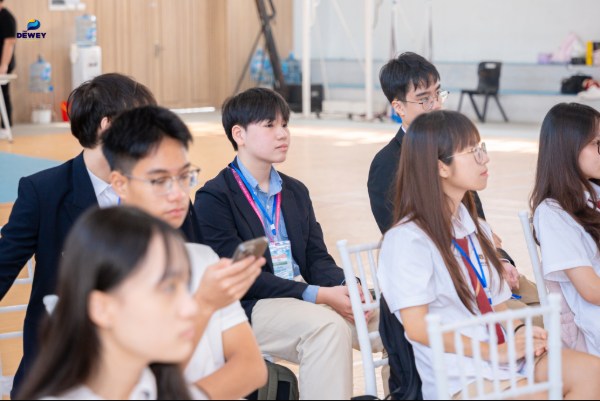
Discussions became particularly dynamic within the ECOFIN Committee, where delegates presented contrasting perspectives on the taxation of multinational technology companies. While the delegation of China emphasized the importance of international cooperation and advocated for a globally coordinated tax framework, the delegation of India argued that taxation rights should belong to the countries where economic value is actually created. Sharp arguments, extended negotiations, and collaborative resolution drafting transformed DMUN 2026 into a space where students not only learned to voice their opinions, but also developed the ability to listen, challenge ideas constructively, and seek common ground on complex global issues.
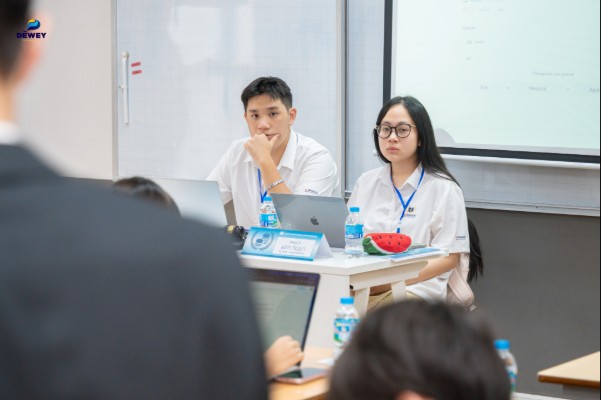
Behind the three engaging committee sessions were months of preparation by student organizers, from researching committee topics and designing conference procedures to coordinating delegates and managing challenges throughout the event.
When the final session came to a close, what remained was more than country placards and completed resolutions. It was the confidence of young people willing to raise their voices, the friendships formed across schools, and the belief that today’s students can become responsible global citizens, ready to create positive change for the future.