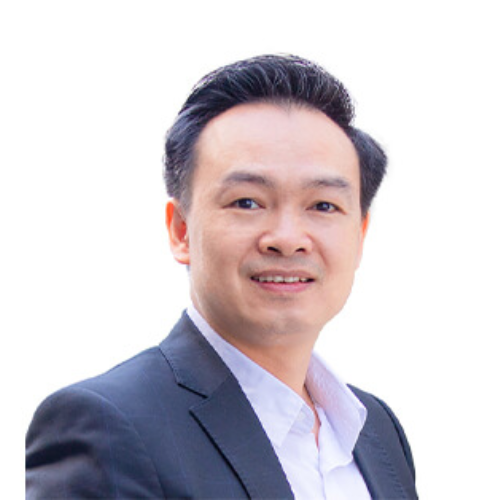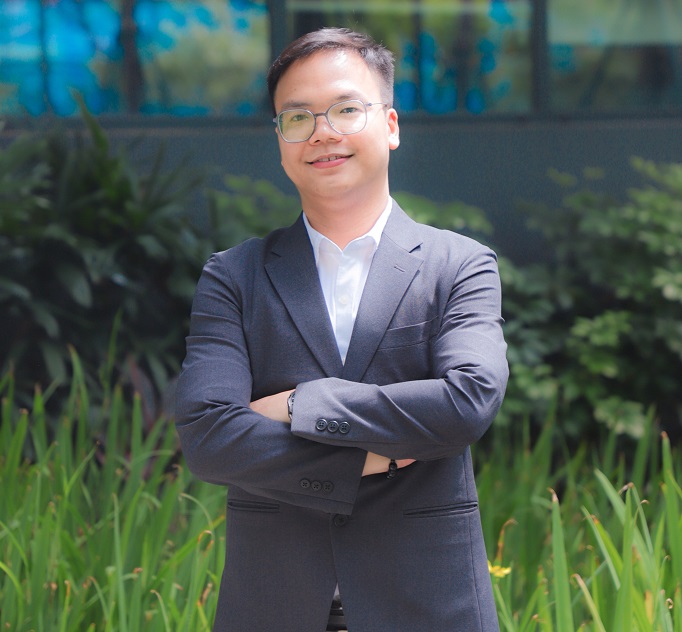

Computer Science is one of the fastest-evolving fields in the world today. As technology, programming languages, and industry trends continue to advance, the ability to learn independently and adapt quickly has become just as important as technical knowledge. For Khoi Nguyen, a graduate of 12Austin at The Dewey Schools Tay Ho Tay and now a Computer Science student at Worcester Polytechnic Institute (WPI), USA, these essential skills were cultivated long before he began university.
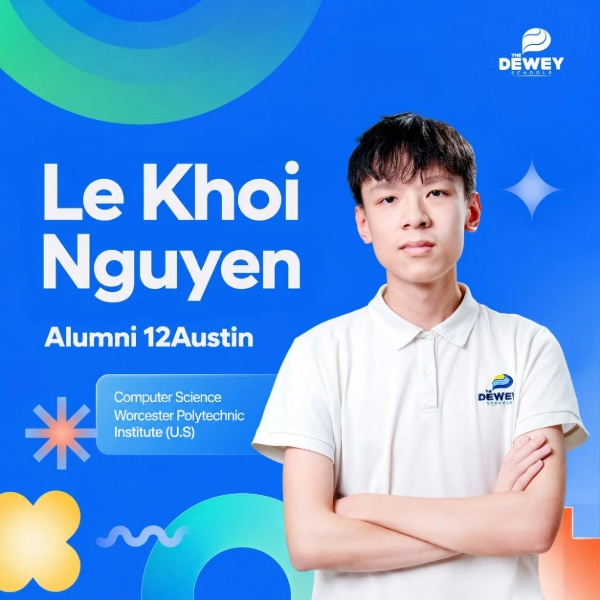
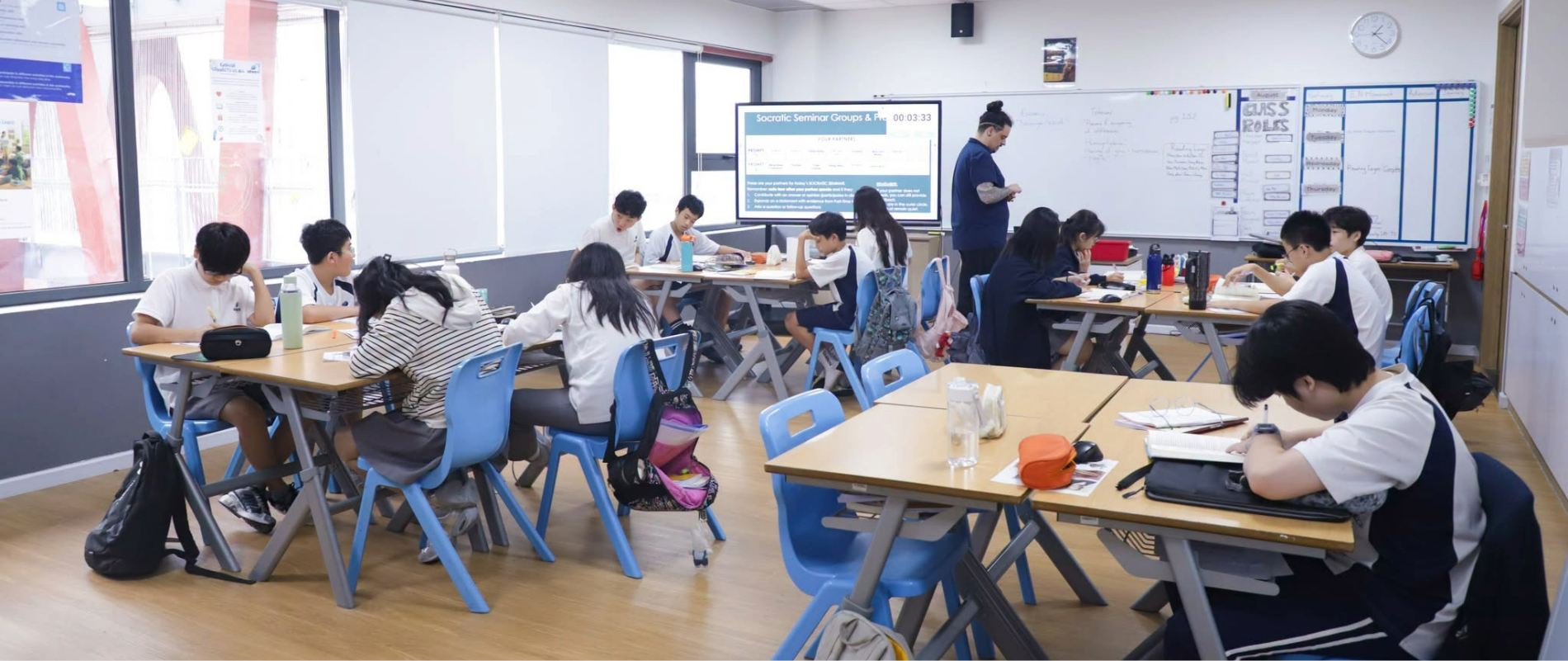
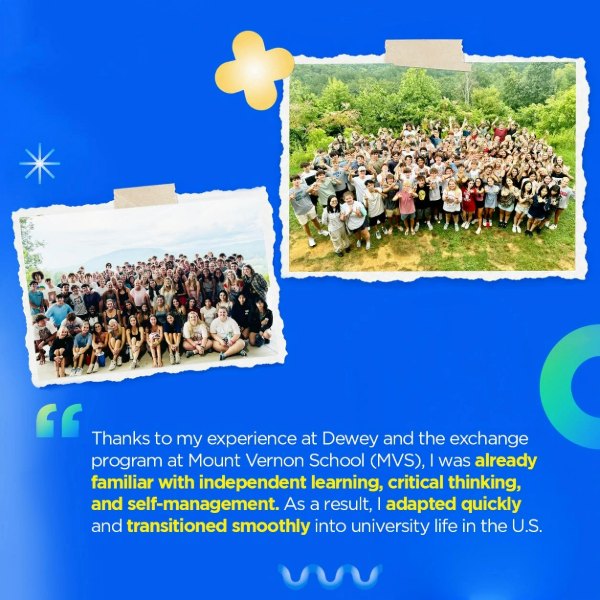
After completing his first year at WPI, Khoi found the transition to university life smoother than expected. His years at Dewey, together with a one-year exchange program at Mount Vernon School (MVS), had already familiarized him with the learning approach commonly found in American universities—conducting independent research, delivering presentations, collaborating on team projects, asking thoughtful questions, and engaging in meaningful discussions with professors. As a result, he was well prepared for the demanding workload and the expectation of extensive self-directed learning outside the classroom.
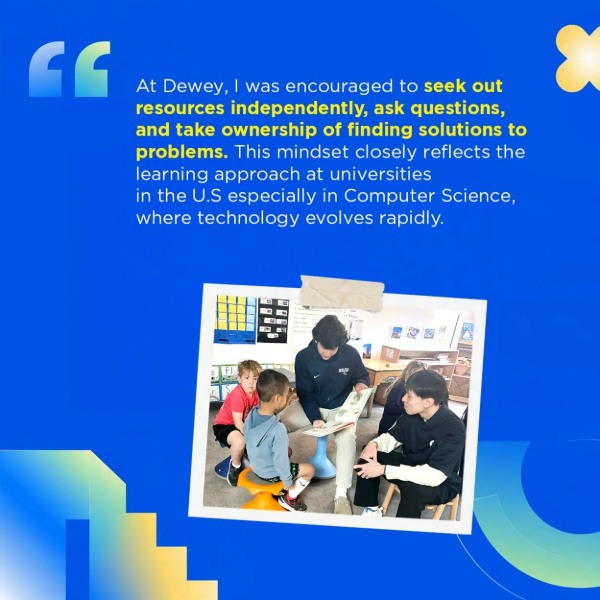
According to Khoi, this is also the reality of studying Computer Science. Classroom instruction provides the foundation, but keeping pace with the field requires students to continuously explore emerging technologies, stay current with new developments, and tackle problems that often have no predefined solutions.
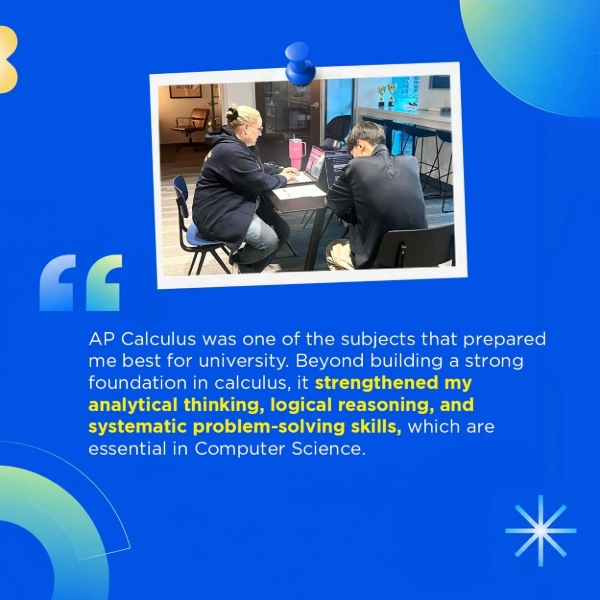
In addition to developing effective learning habits, Dewey’s rigorous academic preparation through its AP courses gave Khoi a strong head start. Among them, AP Calculus proved particularly valuable. Beyond building a solid foundation in calculus, the course strengthened his analytical thinking, logical reasoning, and systematic problem-solving skills—competencies that are essential in university courses such as Calculus, Algorithms, Data Structures, and Mathematics for Computer Science. With this preparation, Khoi was able to focus on mastering advanced concepts and applying them to programming, rather than spending valuable time reviewing fundamental knowledge.
Beyond academics, Dewey also prepared Khoi for life as an international student. Spending his Grade 12 year living with a host family during the exchange program at Mount Vernon School gave him the opportunity to develop independence in a natural way—from managing his time and balancing academic and personal responsibilities to handling everyday challenges on his own. These experiences helped him enter university with confidence and a strong sense of responsibility for both his studies and his daily life.
Looking ahead, Khoi remains open to exploring different opportunities within the field of Computer Science. Rather than focusing on a fixed destination, he hopes to continue strengthening his ability to learn, adapt, and grow in an industry that never stands still. As technology continues to reshape the world at an unprecedented pace, he believes that lifelong learning, resilience, and a willingness to embrace new challenges will remain the foundation for future success.
Host family is a common accommodation option for international students studying in the United States. Instead of living in a dormitory or renting an apartment, students live with a local family arranged by the school, providing them with an immersive cultural and language-learning experience.