
The greatest challenge students face in conquering the SAT does not stem from a lack of practice tests, but rather from an incorrect approach from the very beginning. This was one of many practical and insightful takeaways shared with parents at the seminar “SAT 1500+: Early Planning, Elevating Applications to Top Universities” hosted by Dewey Tây Hồ Tây last weekend.
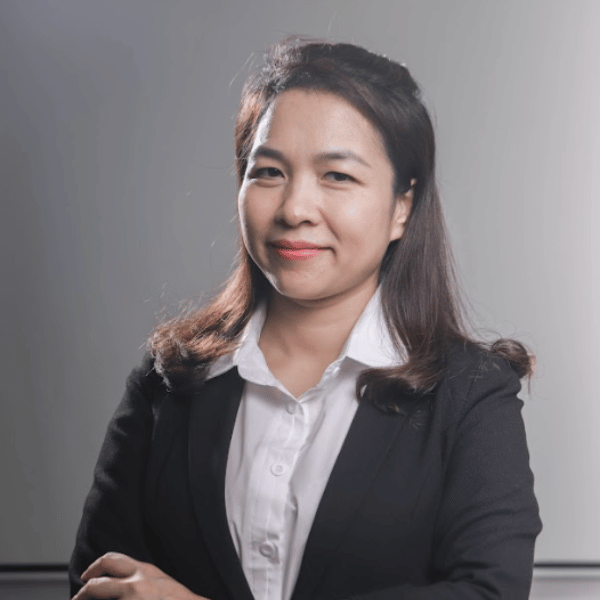
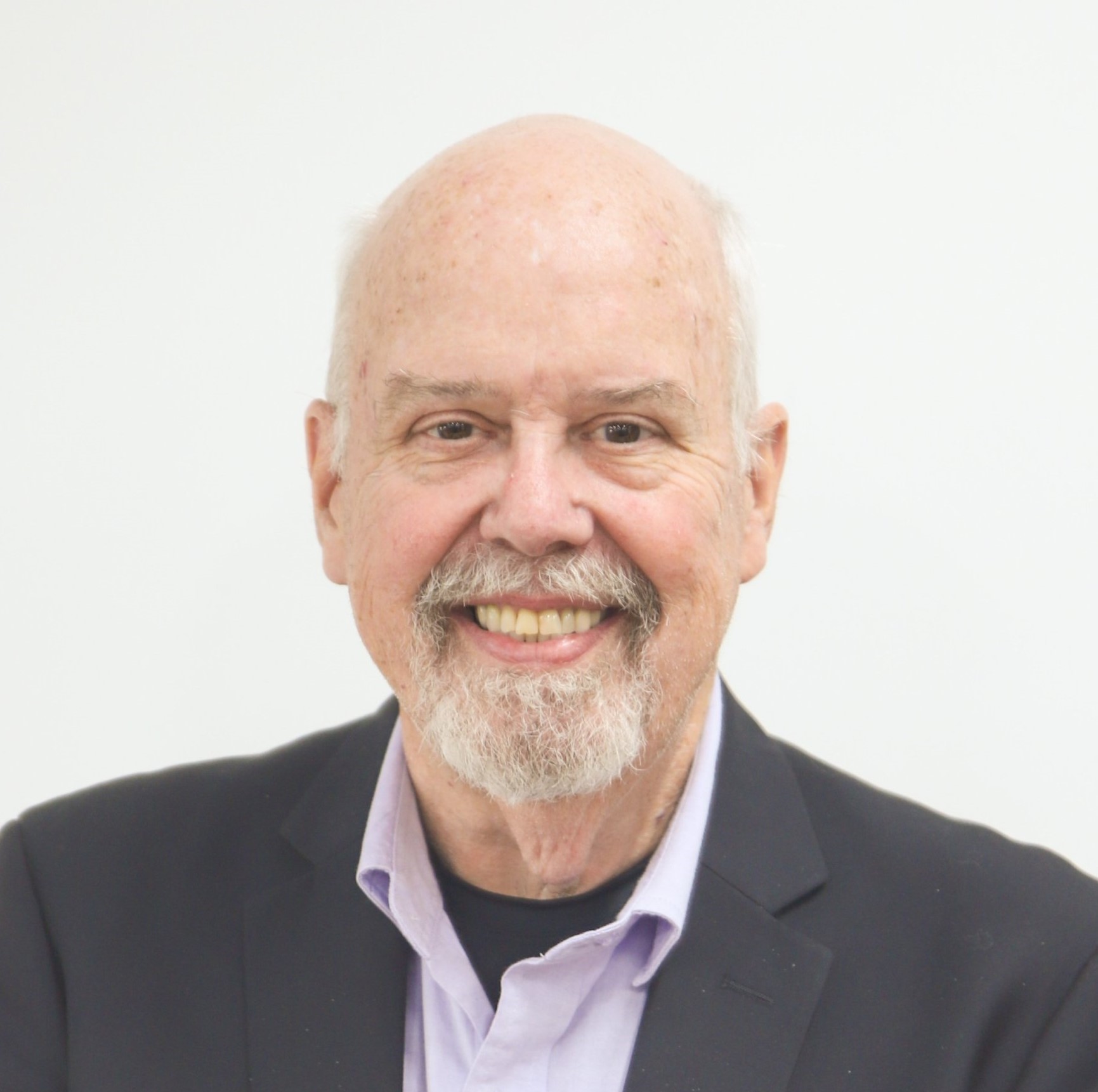
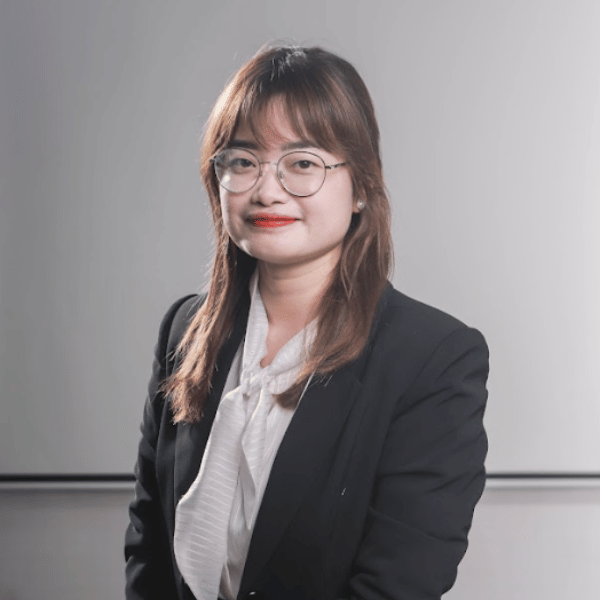
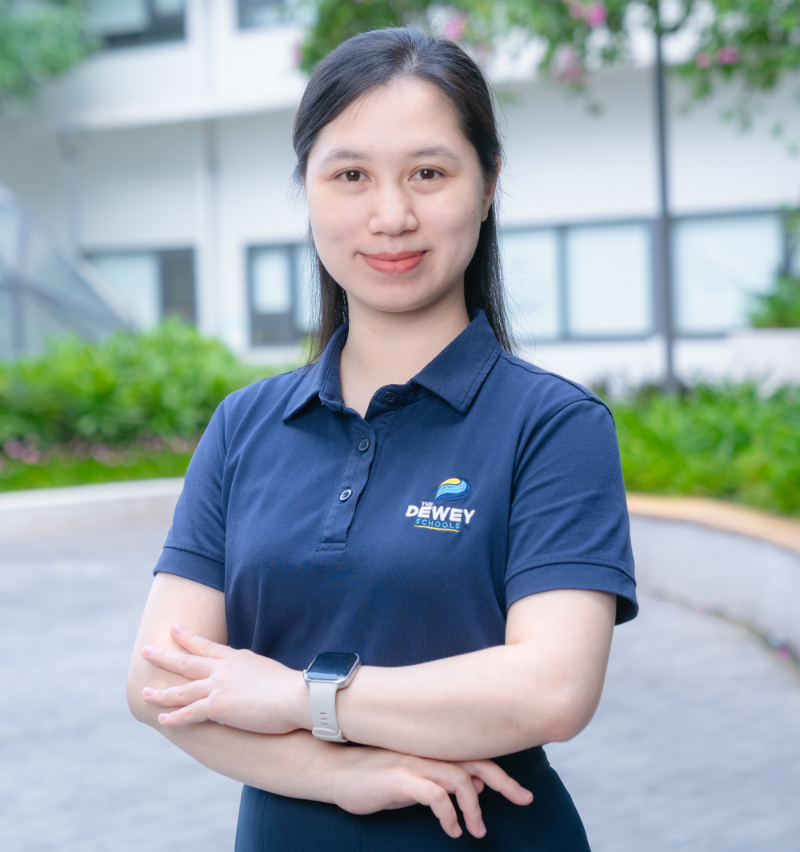
At the event, Dr. Hồ Hồng Hải from VinUni’s College of Business and Management, alongside Ms. Nguyễn Thị Thu Hà, a university admissions expert, provided a comprehensive overview of modern admissions trends. They emphasized that the SAT is increasingly becoming a key criterion in evaluating student capability at international universities as well as leading public institutions in Vietnam.
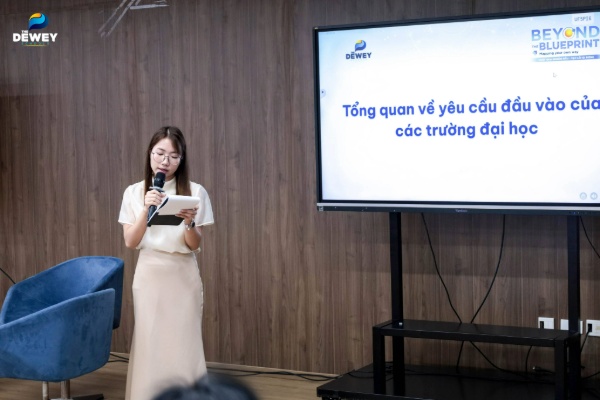
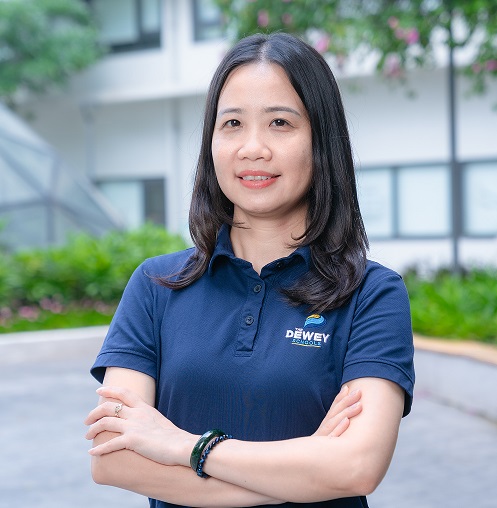
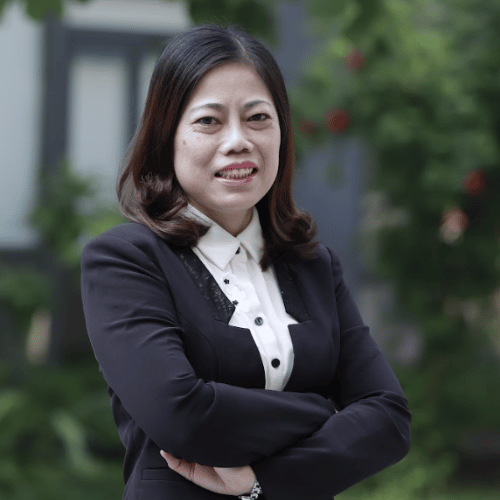
According to Ms. Ngô Ánh Tuyết, Head of Career and University Counseling at The Dewey Schools’ Academic and Pedagogical Council, many students only begin intensive SAT preparation in Grades 11–12, which often leads to overload and a lack of foundational skills. In contrast, the SAT requires a long-term accumulation of knowledge and competencies starting from lower secondary school, built strategically through the core academic curriculum.
She further noted that common issues such as running out of time, struggling with data analysis questions, or misapplying formulas are merely surface-level symptoms. The root causes lie in limited academic vocabulary, insufficient understanding of textual reasoning, and a mechanical approach to mathematics that lacks analytical depth. These are precisely the competencies the SAT assesses—yet they cannot be developed effectively in a short period without early and consistent training.

Therefore, the speakers highlighted the importance of building a strong cognitive foundation from the middle school level. Through Dewey’s American-standard curriculum, students are nurtured in critical thinking, analytical reasoning, and argumentation skills. Notably, the Common Core–aligned program closely matches the SAT structure, enabling students to develop essential skills such as evidence-based reading, contextual language analysis, algebraic thinking, and real-world problem solving.
The seminar also featured real stories from Dewey students who achieved SAT scores of 1500+. Their journeys to reaching the top 2% demonstrate that success does not come from studying more, but from studying effectively—through proactive inquiry, hands-on experiences, and participation in real-world projects.
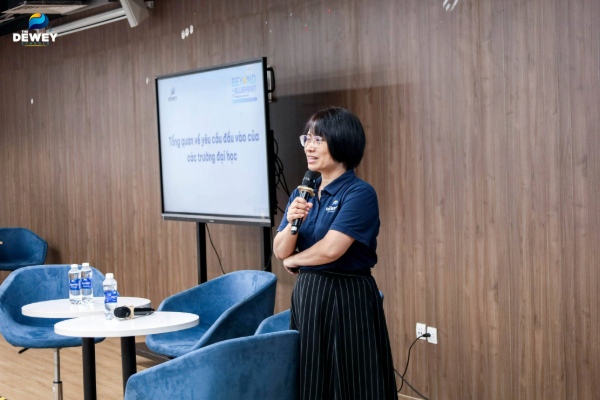
By the end of the seminar, many parents had reshaped their perspectives on their children’s long-term learning journeys. Mr. Doãn Hải Sơn, a parent attendee, shared that he now has a clearer understanding of modern admissions trends and the role of the SAT in shaping his child’s future. Impressed by Dewey’s approach—focusing on thinking development and core competencies—he believes it provides a solid foundation for his child to confidently pursue studying in the United States and unlock greater opportunities ahead.