How does the school canteen operate, and where do the ingredients come from? Through a series of visits to the school kitchen and its food suppliers, parents at The Dewey Schools Tay Ho Tay had the opportunity to learn firsthand about the processes behind their children’s daily meals.
At the school kitchen, parents were introduced to the one-way kitchen workflow and learned about the different stages of food receiving, storage and preparation. Processes that usually take place behind the serving counter became easier to understand as parents observed the kitchen, asked questions and spoke directly with the team.
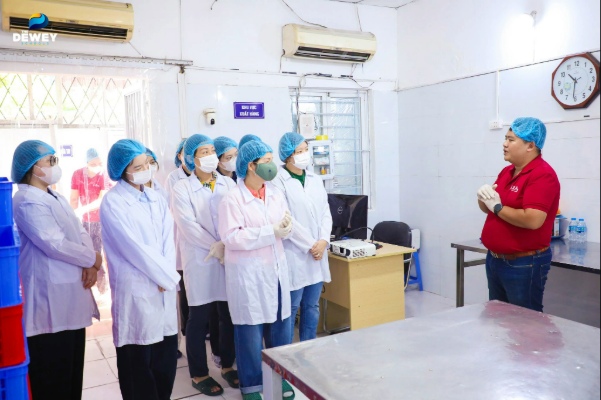
The kitchen’s operations are also subject to independent assessment. In February this year, The Dewey Schools Tay Ho Tay’s kitchen was independently assessed by SGS Vietnam and awarded ISO 22000:2018 certification for its Food Safety Management System. This provides a framework for the school to maintain and continuously improve its food safety procedures.
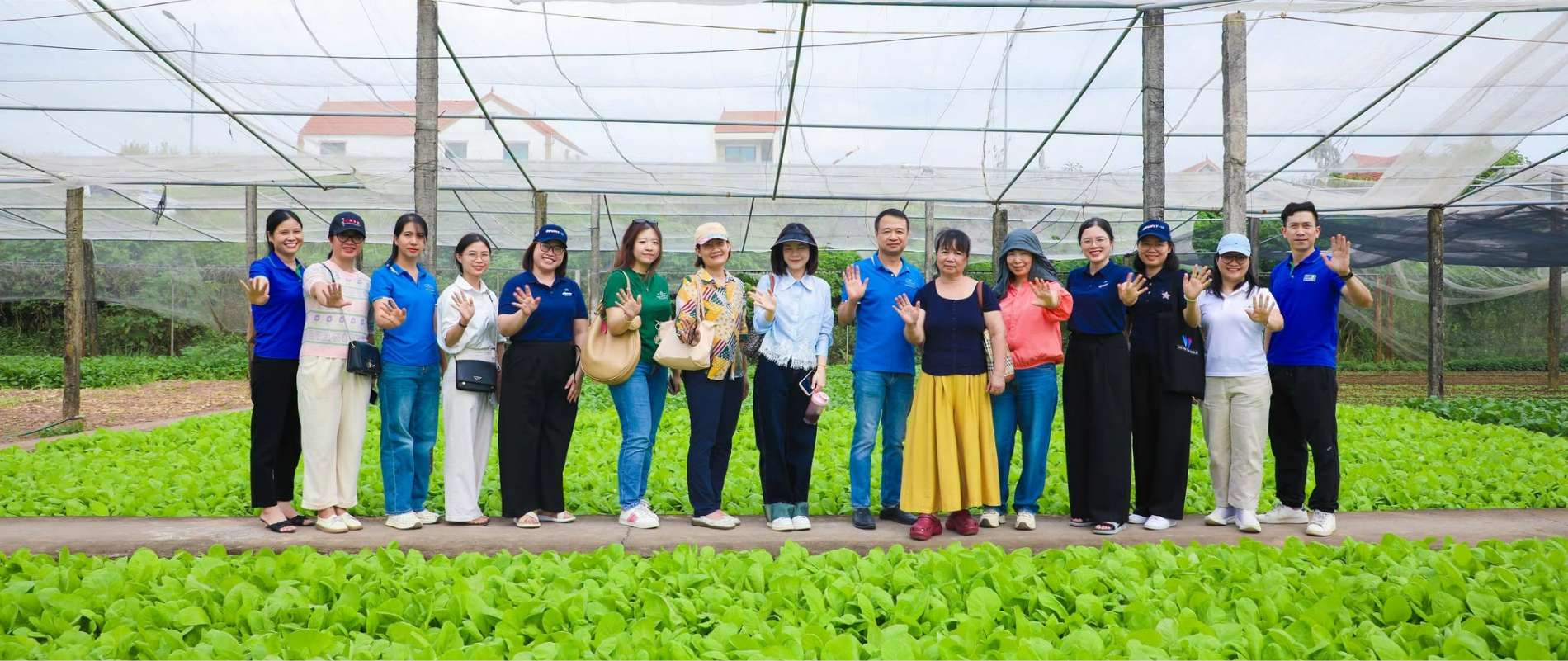
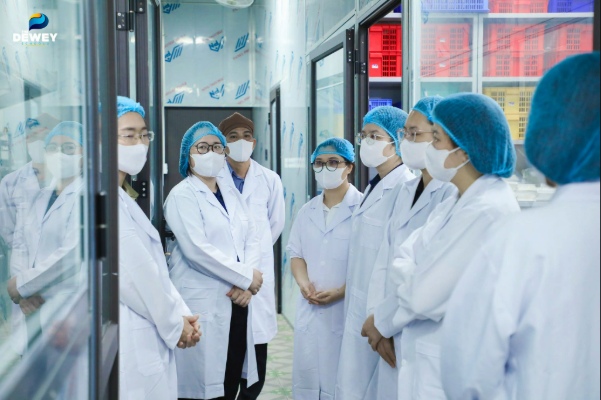
The visits then continued beyond the school kitchen, taking parents to the sources of the ingredients. The group visited Thinh An Logistics Food Joint Stock Company, a producer and supplier of meat and poultry, as well as Phuc Vinh Trading and Development Investment Co., Ltd., Dewey’s pork supplier. Parents learned about food processing, storage and same-day transportation, while also hearing about closed-loop livestock farming systems that use cooling technology and microbial fermentation.
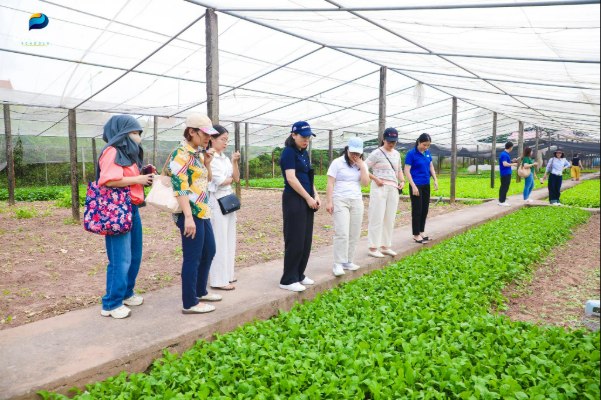
At Tien Le Agricultural Cooperative, parents explored the growing, cultivation and harvesting processes of Bac Ha Clean Vegetable Cooperative, which follows VietGAP standards. The final stop was Changi Bakery Trading and Services Joint Stock Company, which supplies cakes for Dewey’s events. According to the supplier, its fresh cakes are made daily, with careful ingredient selection and a focus on reducing the use of preservatives.
Ms. Do Thu Thuy, one of the participating parents, shared: “After this hands-on experience, I feel more reassured having seen Dewey’s suppliers firsthand and learned about the certifications and standards they meet. These are things I always pay attention to when it comes to ensuring the quality of my child’s daily meals.”
From the school kitchen to the suppliers themselves, these visits gave parents a clearer picture of how their children’s meals are prepared. Having the opportunity to observe the processes, ask questions and exchange ideas also gives parents a better understanding of food safety practices and a stronger basis for working alongside the school to monitor meal quality. This openness and partnership reflect a shared priority between Dewey and families: ensuring that every child enjoys meals that are nutritious, delicious and safe at school every day.