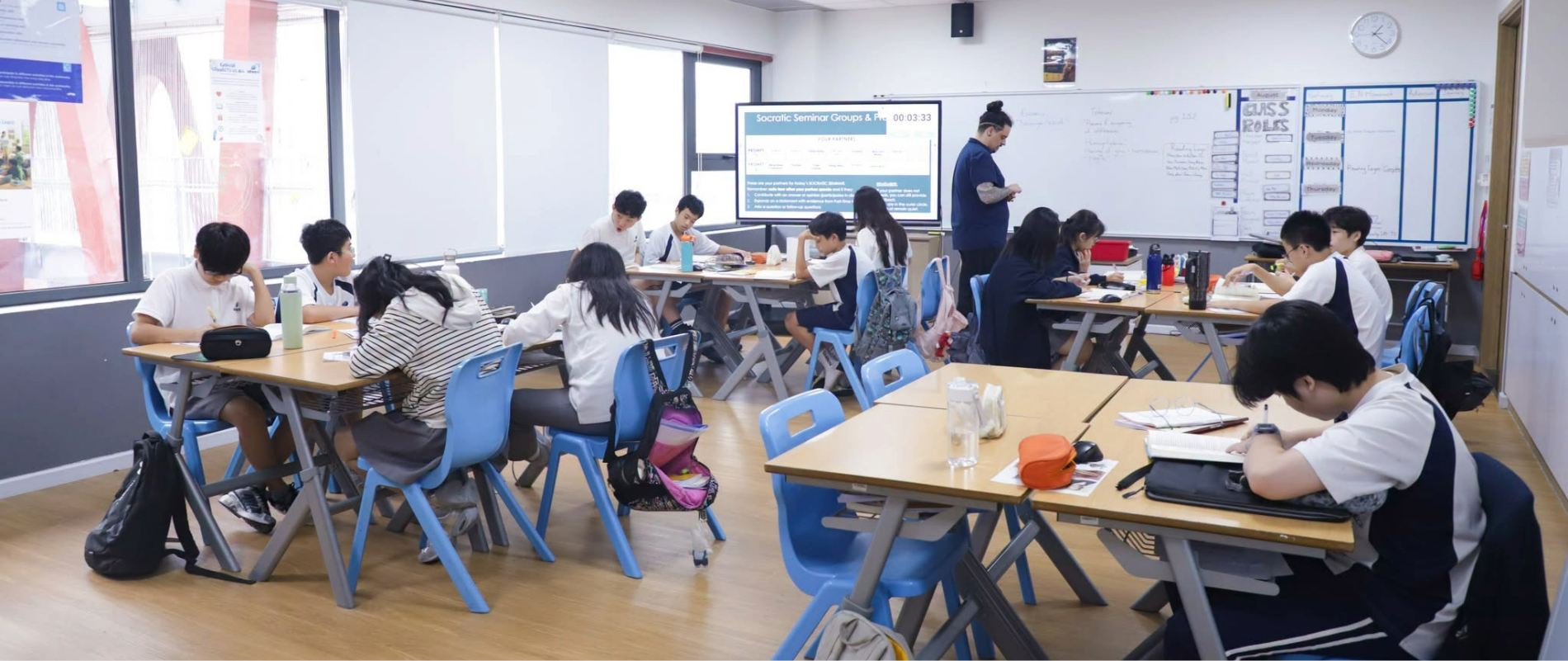

A hands-on lesson is not necessarily an experiential learning lesson. Students may observe, discuss, collaborate, practise, or create a product. Yet an activity becomes a meaningful learning experience only when it is designed with clear learning objectives, guided by purposeful questions, supported by time for reflection, and closely connected to the underlying concepts and knowledge. This is why experiential education at The Dewey Schools goes beyond educational philosophy. It is a core pedagogical capability that teachers develop through ongoing training, practice, and professional learning each year.
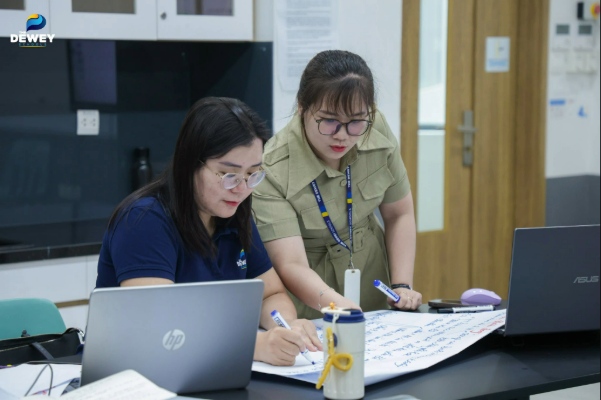
As part of the professional development programme ahead of the new school year, Dewey teachers continued to deepen their understanding of how to design an experiential classroom. The process begins with identifying learning objectives, selecting an appropriate context, developing thought-provoking questions, organising learning activities, guiding students through reflection, and helping them apply their learning in new situations.
In other words, teachers do not simply ask, “What activity should students do?” They consider a deeper set of questions: What will students observe? What questions will they ask? How will they experiment? What will they reflect on? What understanding should they develop through each experience?
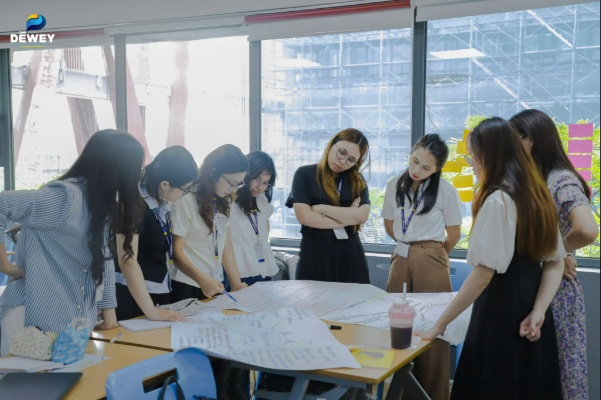
At the heart of experiential education at Dewey is the process through which students construct understanding by moving through a cycle of experience, reflection, and application. This does not make the teacher’s role any less important. On the contrary, teachers must prepare more thoughtfully, observe more closely, and design each learning experience with greater precision.
Throughout the training programme, teachers explored and practised a range of experiential learning models used around the world before translating them into concrete lesson designs tailored to their students and the learning objectives of each subject. They also strengthened their skills in asking purposeful, open-ended questions. A well-crafted question can encourage students to analyse ideas more deeply, connect information, develop hypotheses, defend their perspectives, and revise their own understanding.
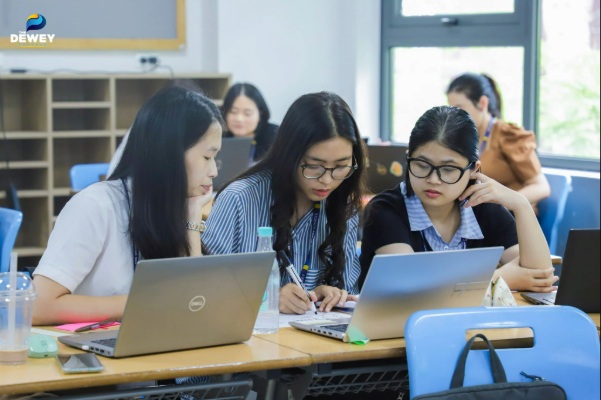
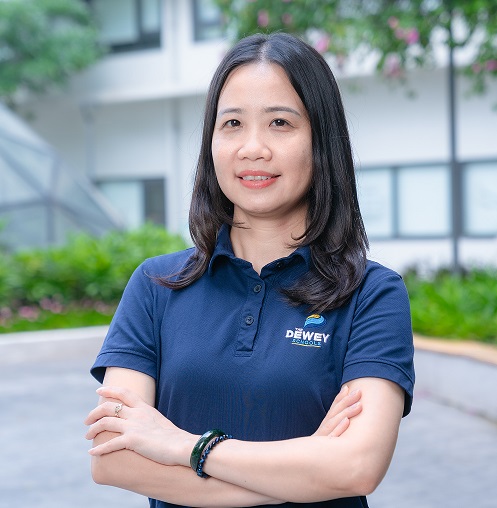
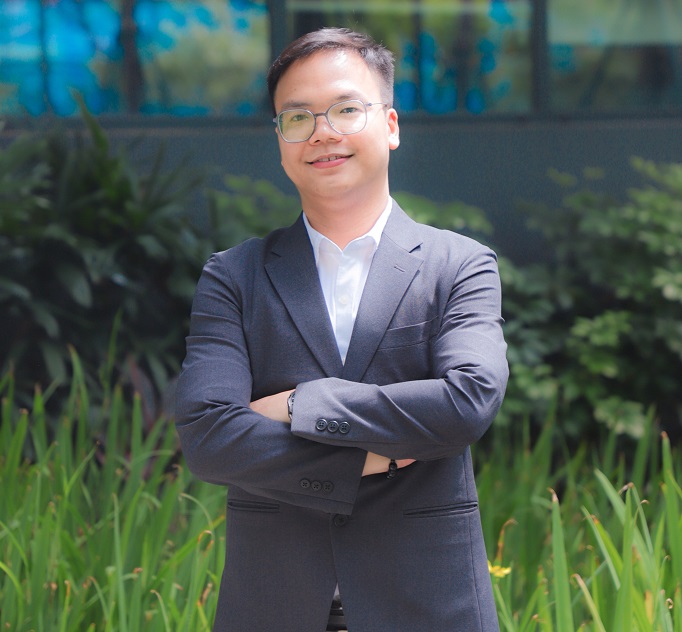
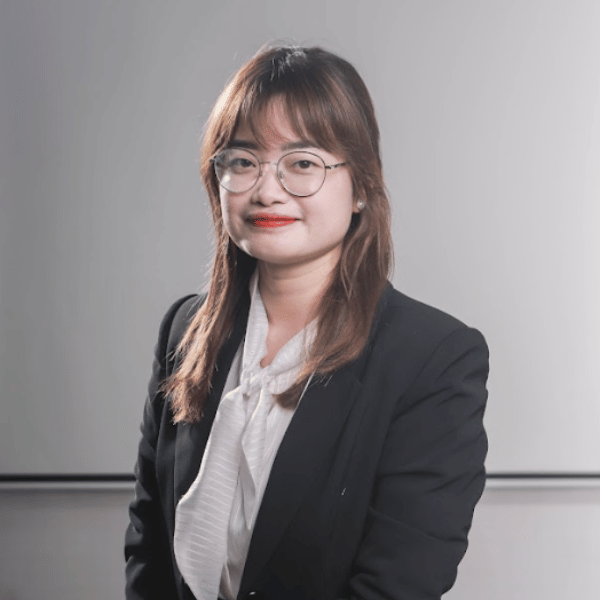
Reflecting on the training, Ms Van Anh, an MDE teacher, shared: “When I asked my own questions, reflected after each activity, and worked with my colleagues to design a lesson, I gained a deeper understanding of what students experience as they gradually explore and shape knowledge for themselves. It reminded me that a teacher’s role is not to deliver as much information as possible, but to accompany, guide, and encourage students as they think independently, make discoveries, and gradually build their own understanding.”
Behind each professional development session is the academic direction of The Dewey Schools’ Educational Research and Pedagogy Council, the team responsible for researching, designing, and standardising pedagogical approaches across the system. From the philosophy of experiential education to the practical models used to organise learning, the training gives teachers a shared professional foundation, a common understanding, and a consistent language for lesson design. This foundation enables Dewey to build a learning environment that remains consistent while continuously evolving—one where students are inspired, supported throughout their learning journey, and encouraged to develop creative thinking through meaningful, real-world experiences.