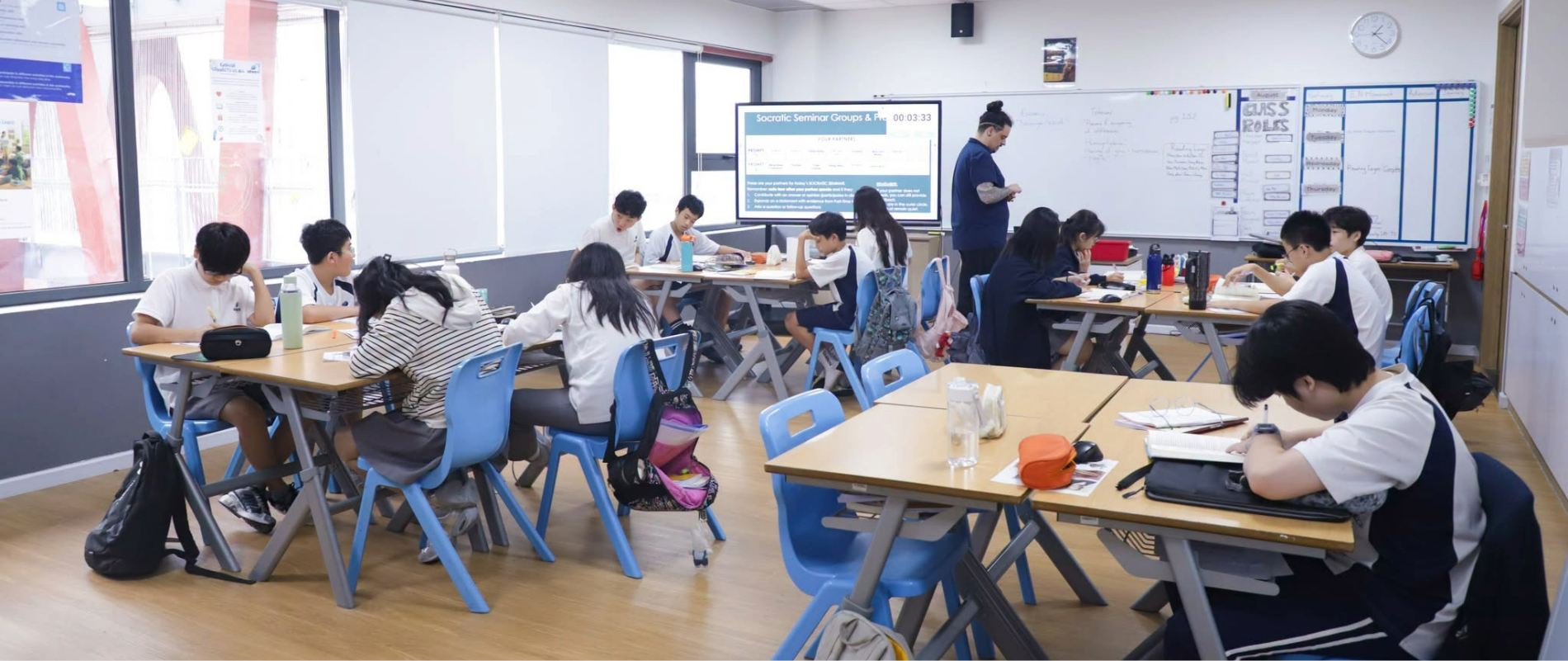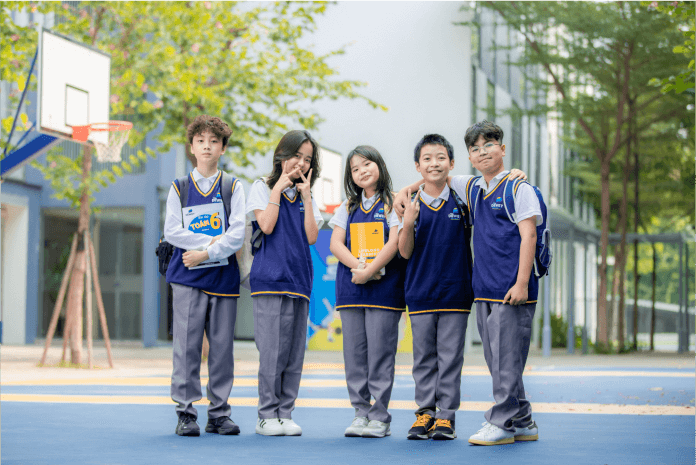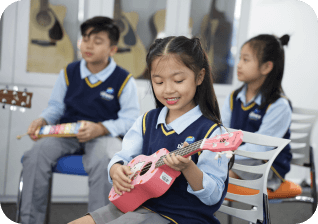

In a recent Humanities lesson, TDSers from 8 Torun had a special “encounter” with Junior, a Spokane boy of The Absolutely True Diary of a Part-Time Indian. Although Junior’s story takes place thousands of miles away and within a culture very different from their own, Mr. Marco’s thoughtful prompts quickly made that distance feel much smaller. The pages of the book became a space for meaningful conversations about family, community, and what it means to remain open to differences.
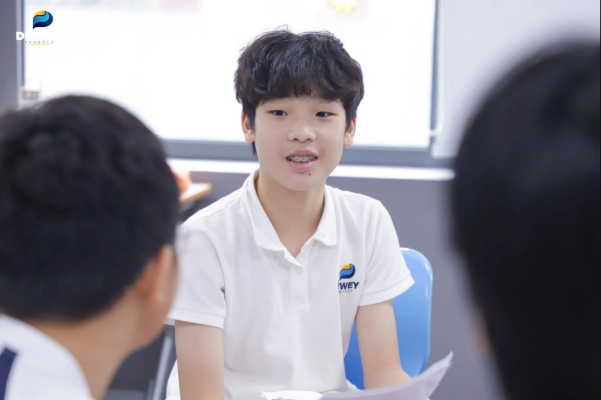
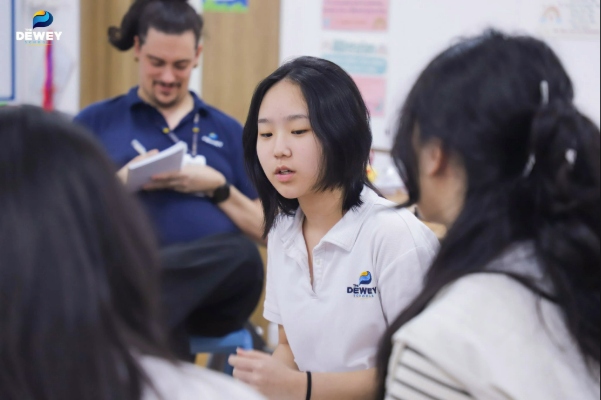
What made the lesson particularly engaging was the way Mr. Marco created a two-way dialogue through a flexible role-switching activity. The class was divided into two groups: the “inner circle” discussed details from the book, while the “outer circle” observed and reflected on their classmates’ contributions. By switching roles, students experienced both sides of the conversation — building confidence in expressing their own perspectives while also learning to listen to and appreciate different points of view. These differences became starting points for further discussion, turning reading from a solitary experience into a shared journey of exploration, discovery, and learning.
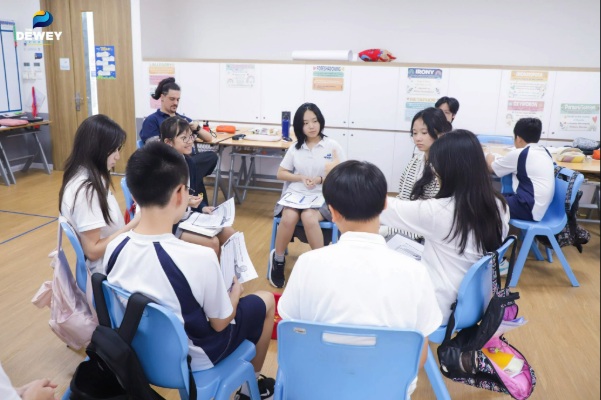
Junior’s life may be far removed from the everyday experiences of our students, yet many of his questions and struggles feel surprisingly familiar. By stepping into the character’s shoes, TDSers moved beyond simply explaining Junior’s actions and began to look at his story from different perspectives, finding connections with their own experiences along the way. The story may be fictional, but the empathy it inspires and the lessons students take away from its pages are very real. Learning, in this space, is no longer about arriving at a single fixed answer. Instead, students are given room to engage with the text, form their own interpretations, and turn what they read into learning that feels personal and meaningful.
This is also how Humanities at Dewey opens a window to the wider world: by inviting students into lives they have never lived and perspectives they may never have considered before. Language becomes more than something to study in a classroom; it becomes a bridge connecting people and ideas. Whether that connection is with the classmate sitting beside them or with a character living on the other side of the world, the journey ultimately encourages students to broaden their perspectives, build empathy, and strengthen their sense of connection with the community around them.