
Can an experiential learning environment also equip students with a strong academic foundation and prepare them for high-stakes national exams? The Grade 12 students at Dewey Tây Hồ Tây have shown that the answer is yes. In Vietnam’s 2026 National High School Graduation Examination, they achieved an average Math score of 7.08 — 0.92 points above Hanoi’s average and 1.43 points above the national average. Even more impressively, 30% of students scored 8.0 or higher.

This year’s Math exam once again highlighted a clear distinction between average and high-performing students. Scoring well required far more than memorising formulas or recognising familiar question types. Students needed to interpret information, analyse problems, select appropriate strategies, and apply mathematical thinking flexibly in unfamiliar contexts.
At Dewey, this mindset starts as early as Grade 6. Rather than teaching students to memorise solutions or practise endless exam questions, Math lessons focus on helping them understand why concepts work. Through interdisciplinary projects and hands-on learning experiences, students discover how Mathematics connects to the real world while developing critical thinking and the ability to approach problems from different perspectives.

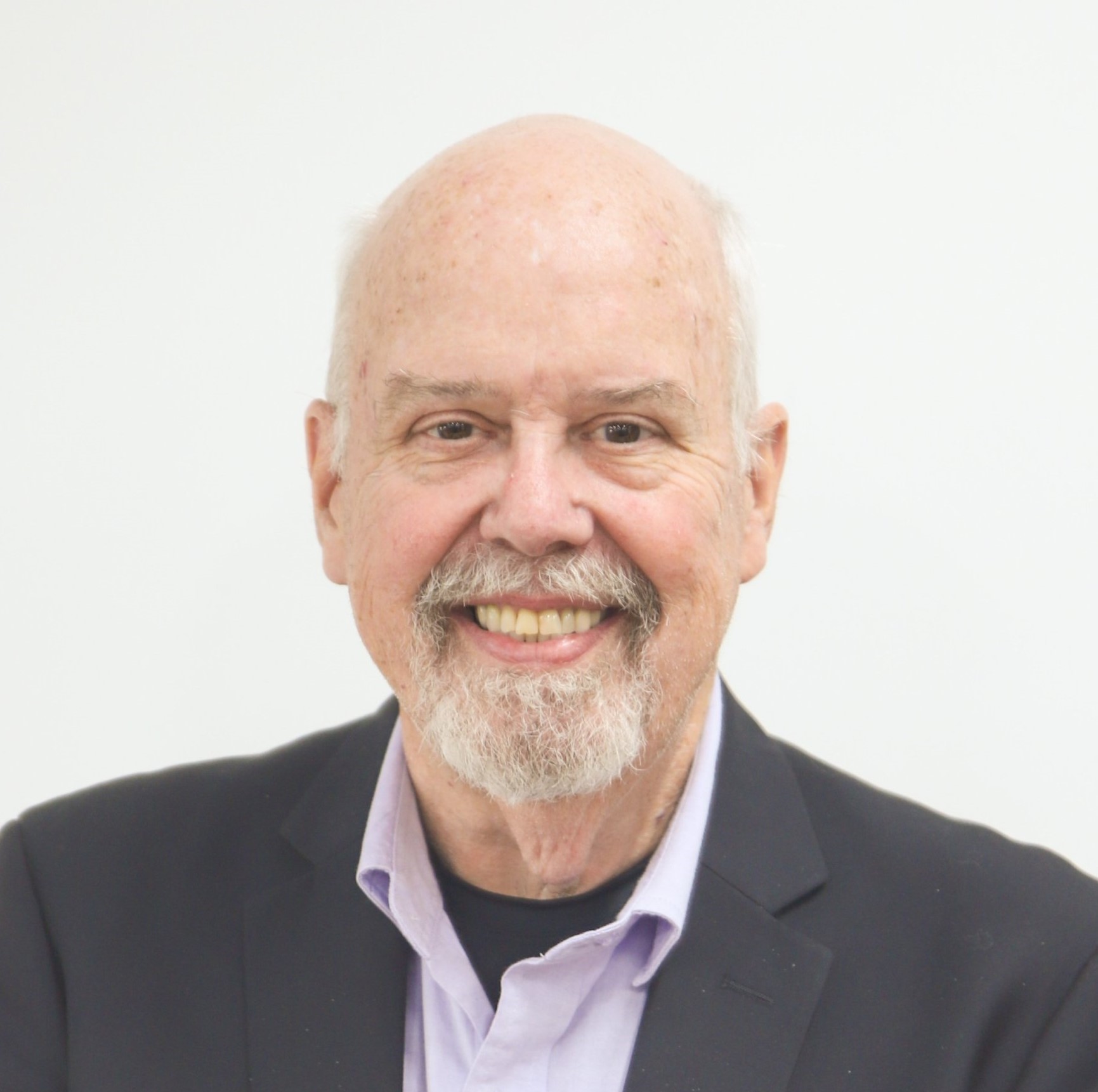
In every lesson, students are encouraged to ask questions, explore multiple solution paths, discuss ideas with their teachers, and learn collaboratively with their peers. As Mr. Pham Van Quang, Head of Secondary & High School Mathematics at The Dewey Schools’ Scientific & Pedagogical Council, explains: “When students encounter an unfamiliar problem, they’re guided by three essential questions: What is it? What is it for? And how can it be used? By actively exploring and discovering solutions for themselves, they develop problem-solving skills that enable them to confidently tackle even the most demanding questions in the exam.”

For Trung Kien (12Denver), who achieved an outstanding 9.5 in Math, success came from consistently seeking to understand the logic behind every problem, experimenting with different approaches, and discussing his reasoning with teachers. That preparation helped him stay calm under pressure, secure the core questions, and make smart decisions when tackling more challenging ones.
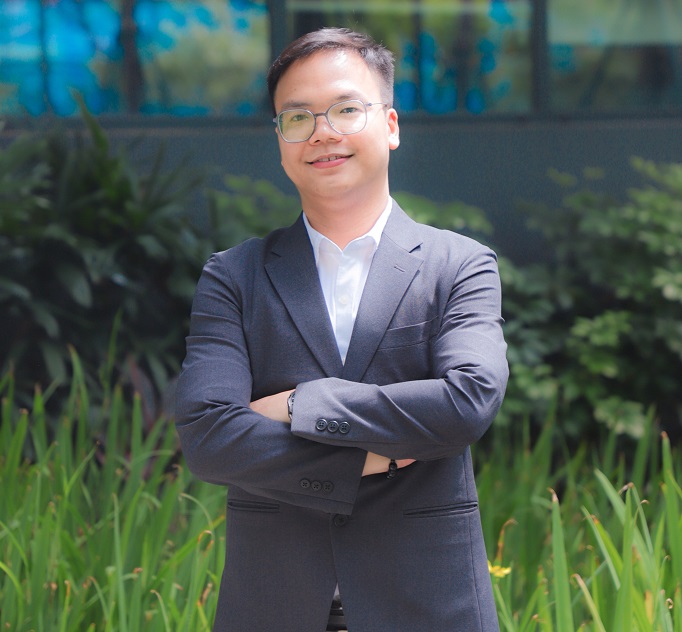
Mr. Vu Viet Cuong, Head of the High School Mathematics Department at Dewey Tây Hồ Tây, added that exam preparation at Dewey is carefully personalised to match each student’s goals and learning needs. Regular mock exams with progressively higher levels of difficulty help students strengthen their fundamentals, improve time management, and gradually build the confidence needed to tackle more advanced questions.

This year’s Math results reaffirm that experiential learning and academic excellence go hand in hand. When thoughtfully designed, learning through experience enables students to develop a deeper understanding, retain knowledge more effectively, and confidently apply what they’ve learned to unfamiliar situations—both inside and beyond the examination hall. Because at Dewey, success is measured not only by exam results, but by preparing students with the skills, confidence, and resilience to thrive in an ever-changing world.