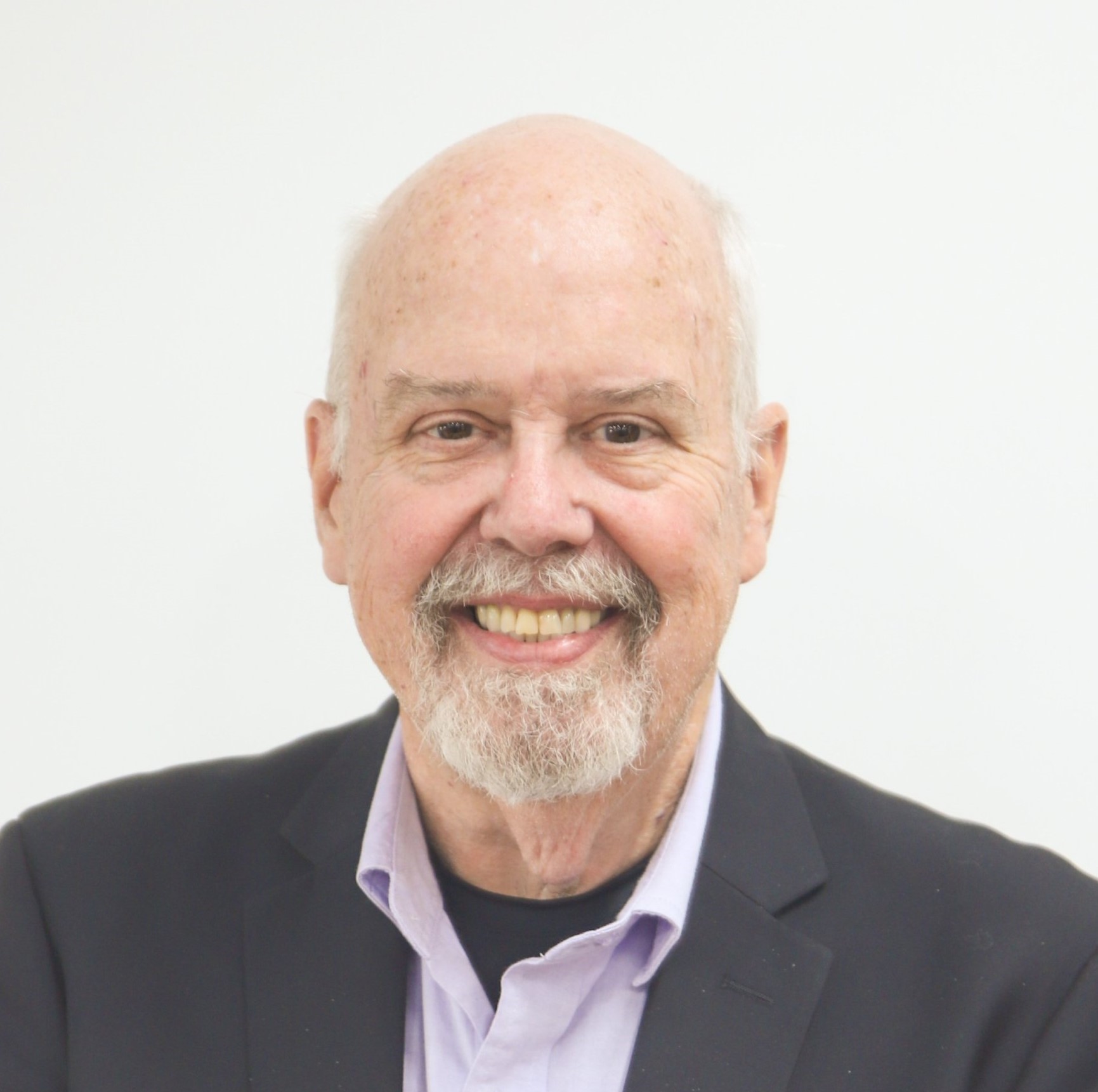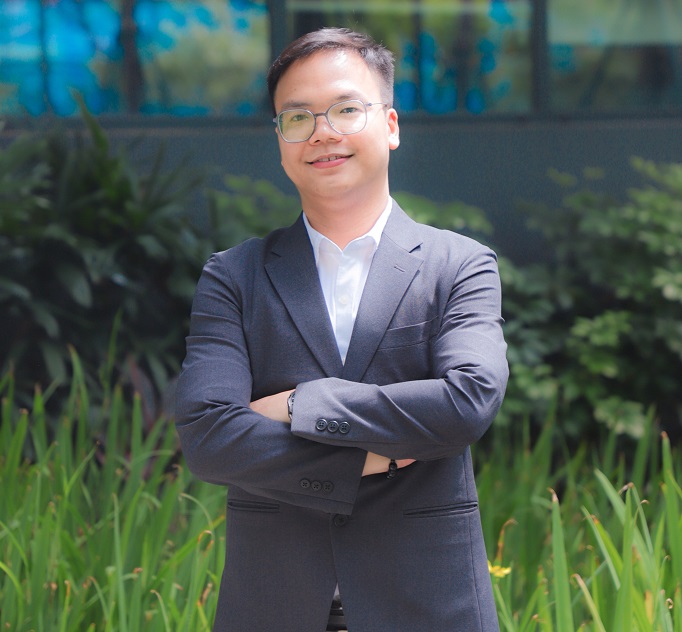

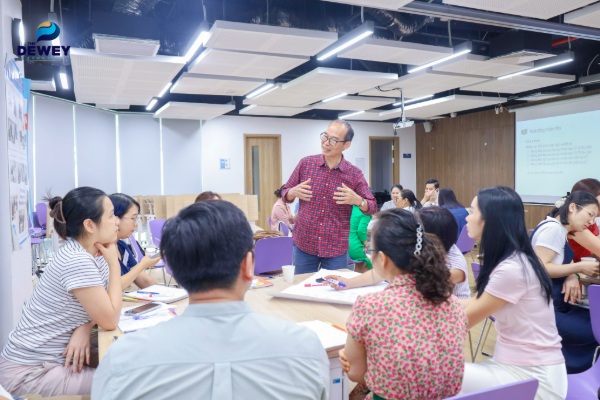
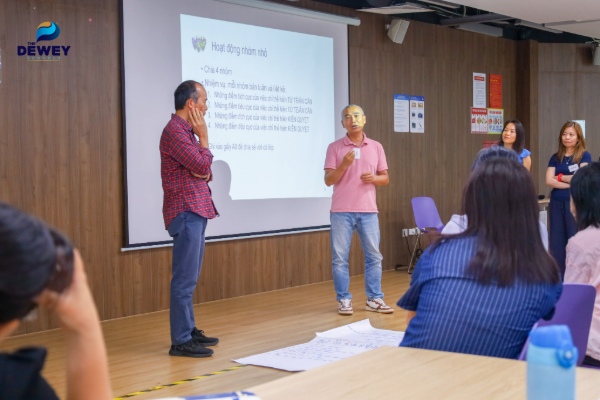
Children in their early years have psychological characteristics that are completely different from those of teenagers or young adults preparing for university. Each stage of development brings its own challenges, often leaving parents feeling overwhelmed as they try to solve one issue after another. “Only when parents truly understand the core principles can they reflect, adapt, and find the right solutions for their own circumstances.” — This was one of the key messages shared during Session 9 of the Positive Parenting Community Course at The Dewey Schools, led by Associate Professor Dr. Lê Văn Hảo.
The two essential principles that Dr. Hảo emphasized for parents were: “Connect before correcting” and “Warmth and kindness first — firmness second.” Children need both elements to grow in a healthy and balanced way, much like the body needs a full range of nutrients.
Warmth and love are compared to “Chocolate/Sugar.” Love is the foundation for most positive qualities children develop later in life. A child raised with love learns how to love, value themselves, and care for others. The power of empathy and kindness is always stronger than harsh criticism or negative scolding.
Discipline and routines are the “Salt/Calcium” that children cannot grow without. Love without awareness can easily become indulgence. Overcompensating — like feeding a child only “sugar” — may lead to harmful consequences for their development.
The world operates according to its own rules. Children need to learn discipline and routines from an early age so they can respect boundaries, themselves, and others. The harmonious balance between warmth and firmness helps create a safe family environment where children can develop independence, self-discipline, and a willingness to share.
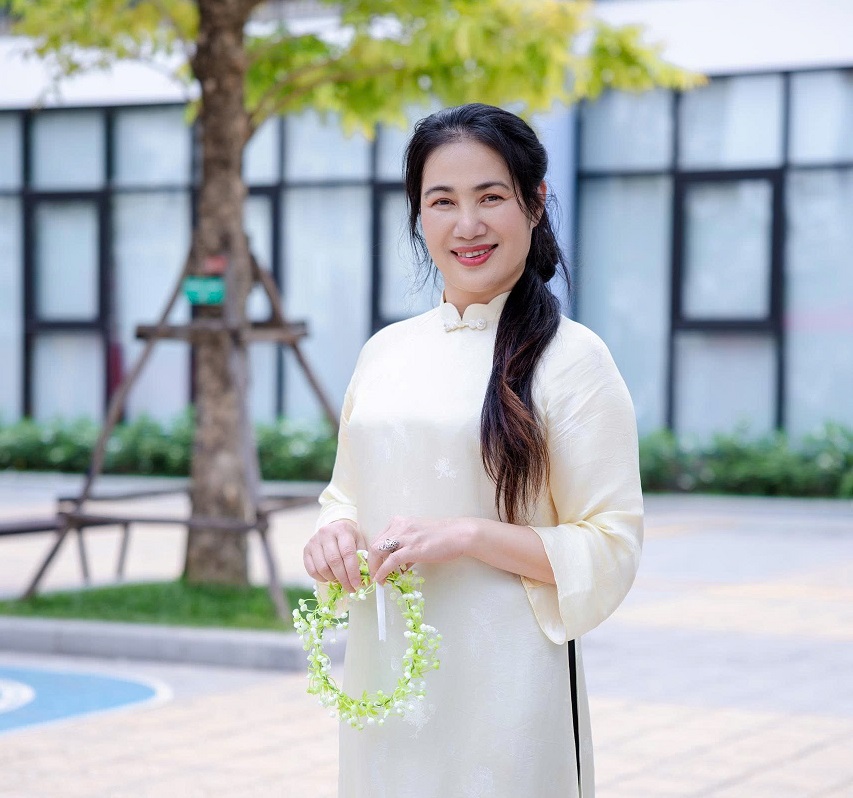
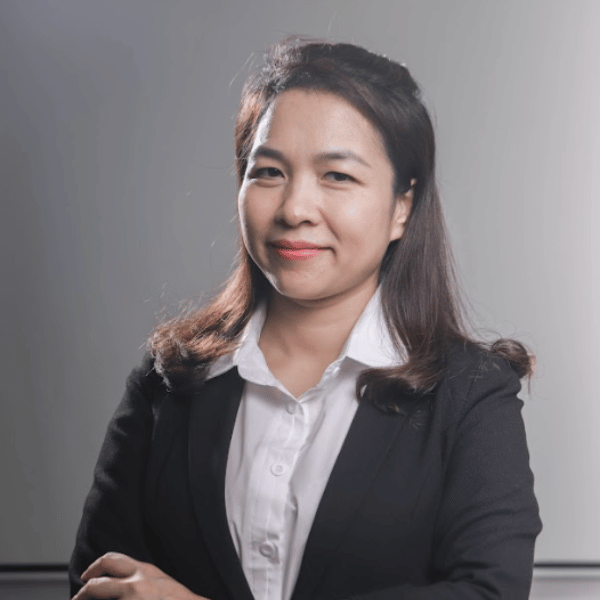
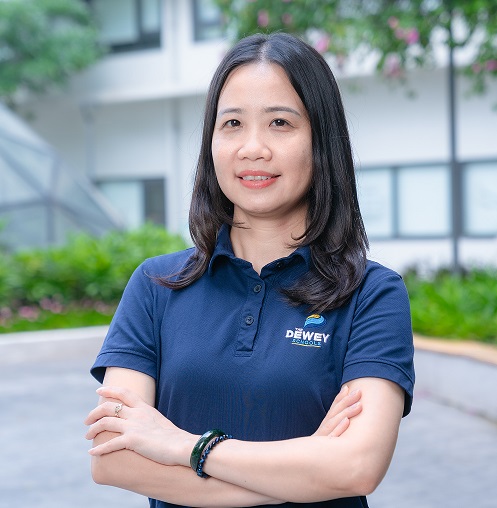
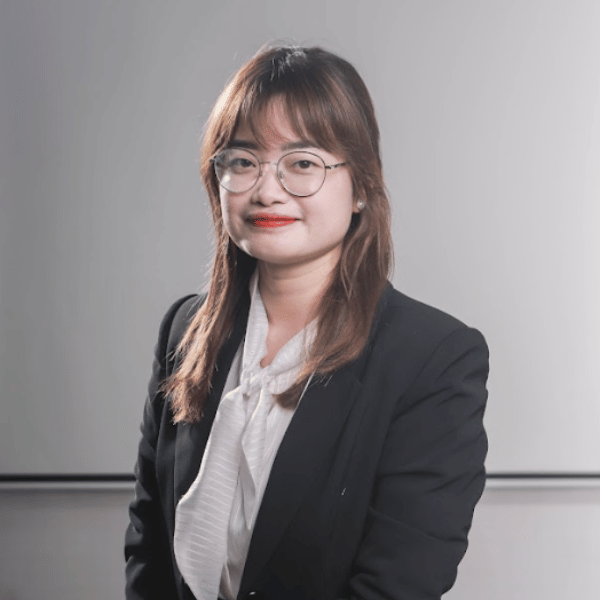
Speaking from both the perspective of a mother and an education professional, Ms. Kim Ngân (a Dewey & Sakura parent) shared that building positive discipline from an early age is a commitment that must be practiced every day. She especially emphasized the philosophy of leading by example: “A mother has a tremendous influence on the energy of the home. When a mother is brave enough to reflect on herself and make changes first, that transformation naturally spreads to her partner and children.”
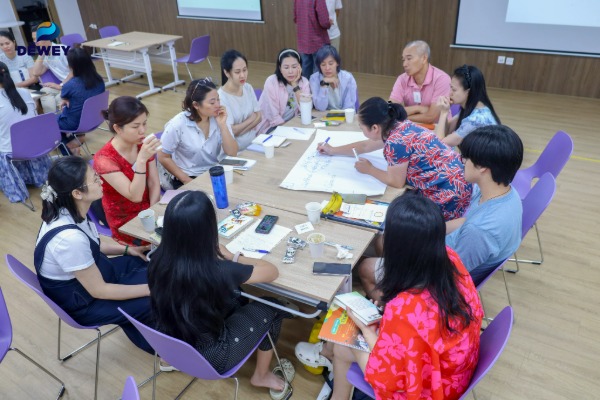
The journey of learning and self-reflection as parents never truly ends. Positive discipline is not a tool to “fix children,” but an opportunity for parents to “improve themselves,” to listen even to the things their children cannot yet express in words. Only when parents let go of the pressure of being “perfect” and step into their children’s world with calmness and empathy can they build a home filled with respect and love together.
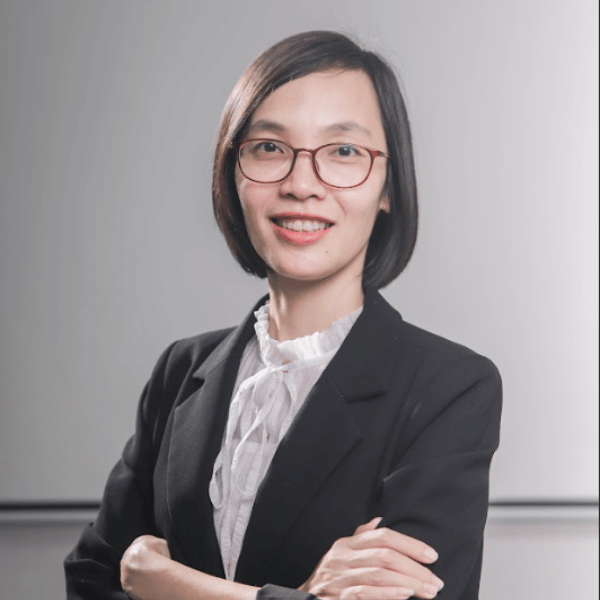
“Positive Parenting” is a free community course organized by The Dewey Schools. Entering its second year, Associate Professor Dr. Lê Văn Hảo — former Vice Director of the Institute of Psychology under the Vietnam Academy of Social Sciences — continues to guide the program through real-life situations and practical methods, helping parents accompany their children with patience, understanding, and respect.