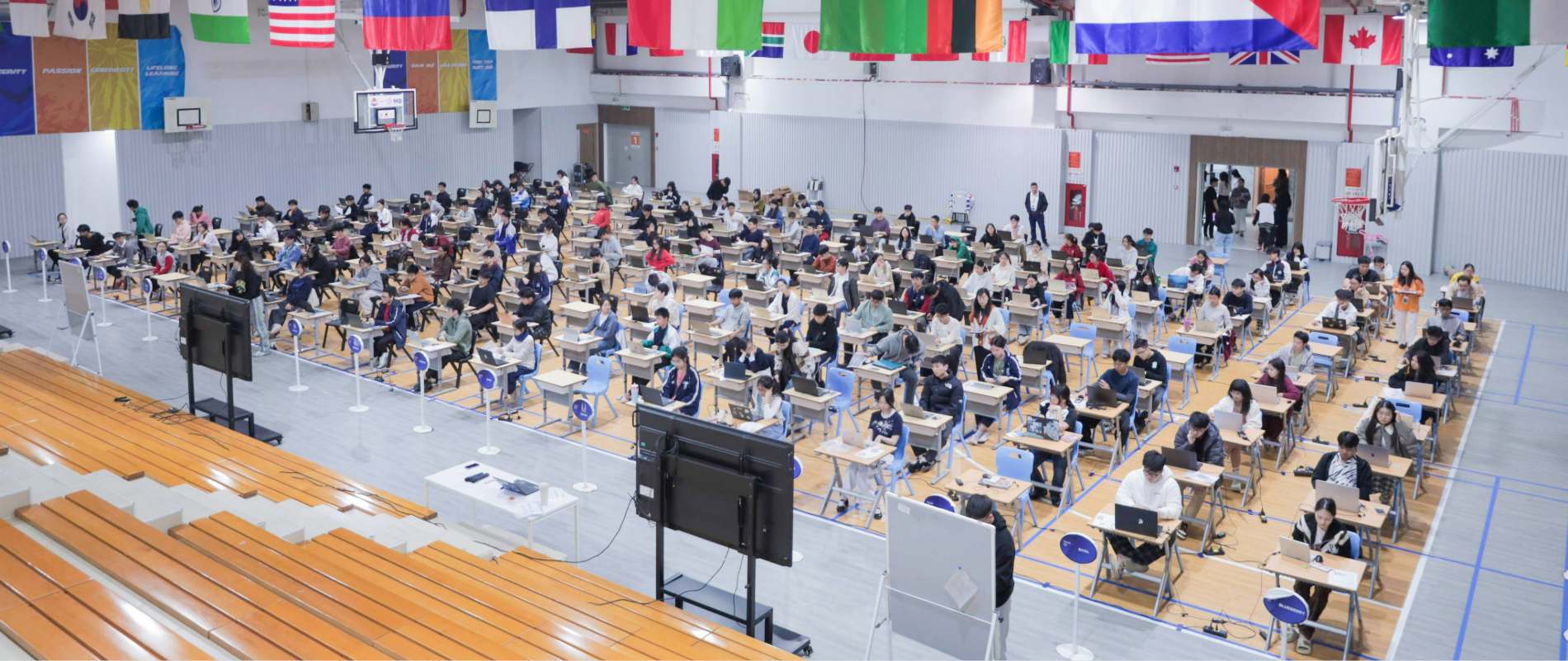
A message that makes you uncomfortable. A comment that crosses the line. A stranger who keeps asking for personal information. In situations like these, students need to know more than just how to respond. They also need to know who they can turn to for help.
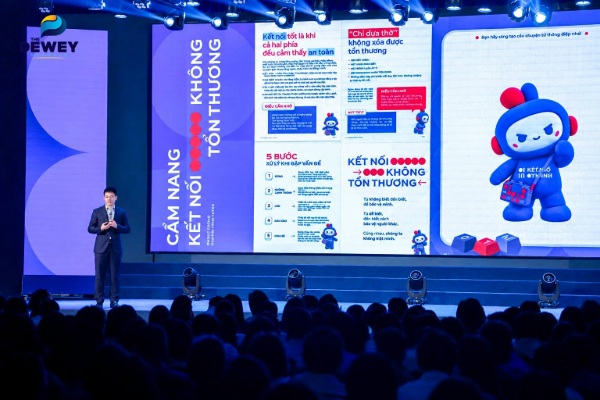
That was also the focus of the launch of the national “Not Alone 2026” campaign, themed “Connect Without Harm”, where TDSers explored situations they may encounter online. Students learned how to protect their personal information, recognise potentially unsafe interactions, and seek support whenever something does not feel right.

Through each scenario, TDSers discovered that digital safety goes far beyond having a strong password. It also means knowing which information should remain private, recognising when a conversation has crossed a boundary, and thinking carefully before commenting on, posting, or sharing something that involves another person.
Tiến Đạt (12 Denver) shared: “Taking part in the campaign helped me learn more about protecting personal information and recognising and preventing harmful behaviour online. For me, the most meaningful message of the 2026 campaign is: ‘For every connection to be free from harm, let there be only safety and care.’ It is a beautiful reminder that we are responsible for every click we make and every message we send.”
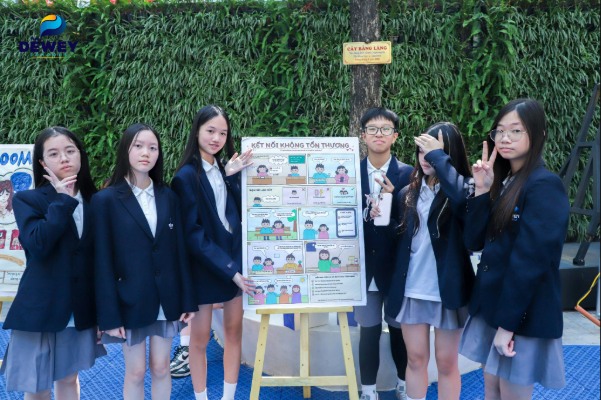
One of the most important reminders from the launch was simple: do not stay silent when something goes wrong online. At Dewey, students are encouraged to reach out to a teacher or another trusted adult. They may not always know how to solve the problem straight away, but they do not have to face it alone.
The launch is only the beginning. In the coming months, TDSers will continue taking part in activities under the “Not Alone 2026” campaign. Parents and students, stay tuned to our fanpage for more updates.
———————————-
“Not Alone 2026” is a nationwide digital safety communication campaign aimed at protecting children and young people in online spaces. The campaign is jointly organised by the Digital Trust Alliance (DTA), the Department of Cybersecurity under the Ministry of Public Security, and the National Cybersecurity Association, with the support and patronage of the Ministry of Education and Training, the Ministry of Health, the Ministry of Culture, Sports and Tourism, as well as international organisations including UNICEF and UNODC.