
The timeless Egyptian pyramids, the proud portrait of Queen Nefertari, and the powerful figures of the Greek gods transformed the Dewey Theatre into a stage glowing with epic, historical splendor. Like a time machine, the interdisciplinary project “Ancient and Medieval World Civilizations”—integrating History, Visual Arts, and Social Sciences & Humanities—took Grade 10 students and the audience on a journey back to the very roots of human civilization. Rather than approaching history through the rote memorization of rigid timelines, students confronted a profound question that humanity has long grappled with: “Do human beings—with all our achievements and mistakes—deserve to continue to exist?”
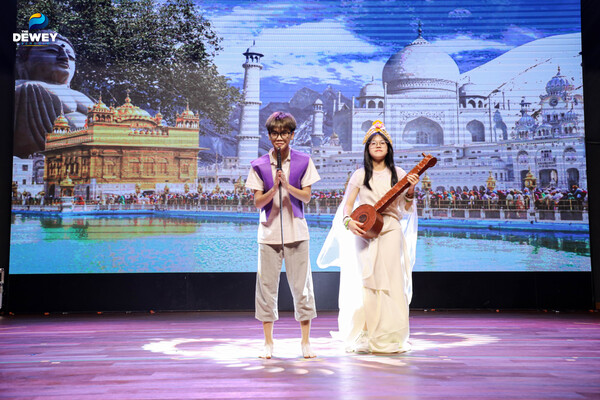
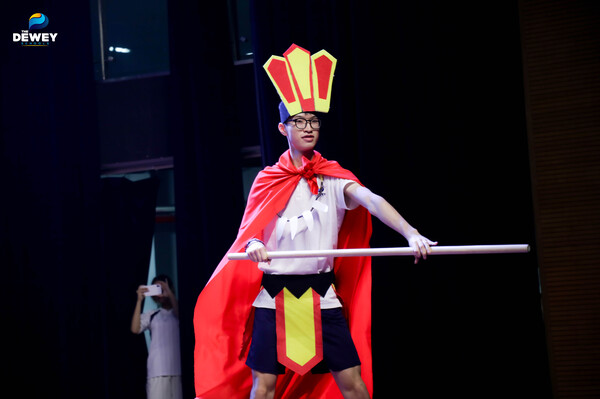
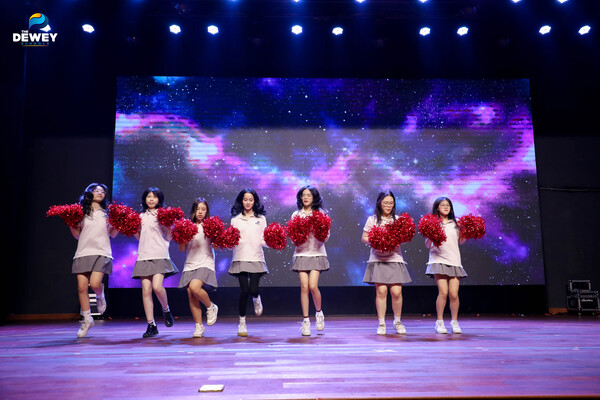
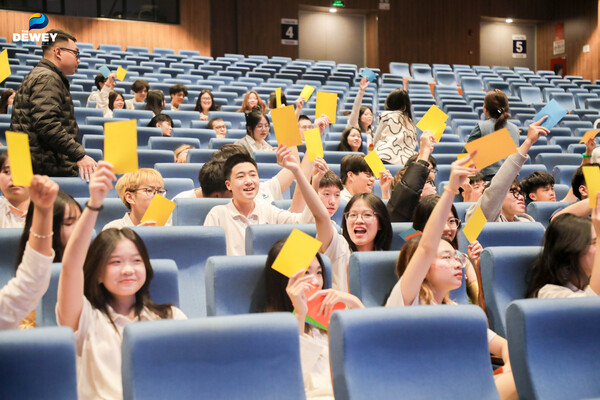
Over the course of four months, Grade 10 students researched, debated, created, and experienced the great civilizations of the world together. Knowledge that might otherwise seem abstract and distant was vividly brought to life through the theatrical performance “The Olympus Conference.” Taking on the roles of gods representing different civilizations, students engaged in dynamic debates to determine the “most powerful civilization.” Through eloquent speeches and sharp critical thinking, they highlighted the distinctive strengths and landmark achievements of ancient and medieval civilizations—from Egypt’s monumental architecture and India’s profound humanistic philosophies to China’s Eastern wisdom and the strong sense of community embodied by Văn Lang – Lạc Việt.
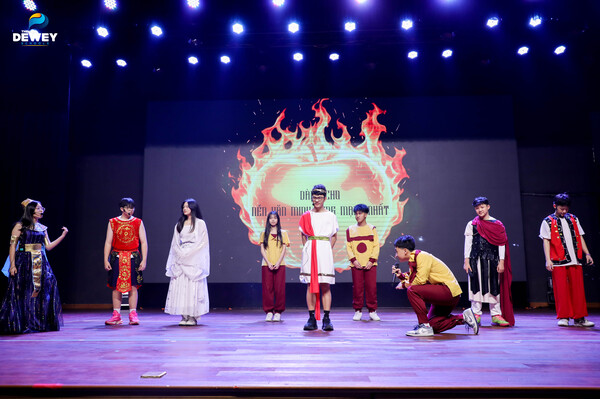
Through their arguments, acting as defenders of their respective civilizations’ right to exist, students came to view cultural diversity as a shared human asset. The play conveyed a deeply humanistic message: every civilization is a vital piece of humanity’s greater mosaic. There is no single “strongest” civilization—only civilizations that know how to cooperate. And it is cooperation that creates true sustainability.
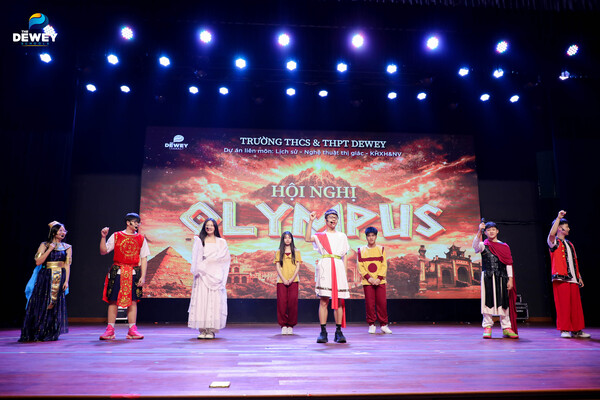
A special highlight of the project was the stage costumes, entirely conceptualized, designed, and handcrafted by An Khanh (10Ottawa). “This project allowed me to explore my creative passion and strengths fully,” Khanh shared. “Instead of approaching history through performance, I chose to research costumes—studying patterns, materials, and symbols from each era. To me, costumes are not merely visual elements; they embody historical and cultural depth, crystallizing the unique identity of each nation and civilization.”
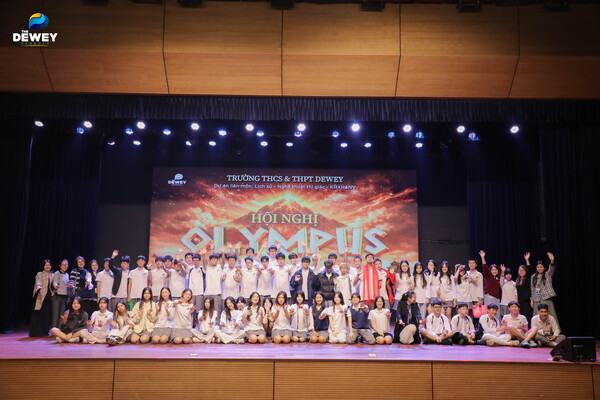
Through this project, students stepped into history not as passive observers, but as active participants in dialogue—reaching out to touch the past, and through that connection, learning to understand and cherish humanity’s cultural heritage, as well as recognizing the responsibility to preserve it. The values of Truth – Goodness – Beauty woven throughout the project painted the portrait of learners who are intellectually sharp and spiritually enriched. These experiences form a solid foundation, empowering students to confidently step into the world and grow into responsible global citizens of the future.