
Parenting is not only a journey of love, but also a process in which parents guide their children to learn how to think, make choices, and grow through their own experiences. The fourth session of the Positive Parenting course provided parents with deeper insights into positive discipline and practical ways to apply it effectively.
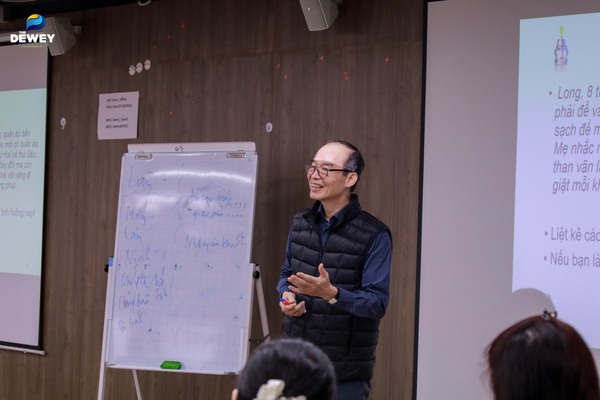
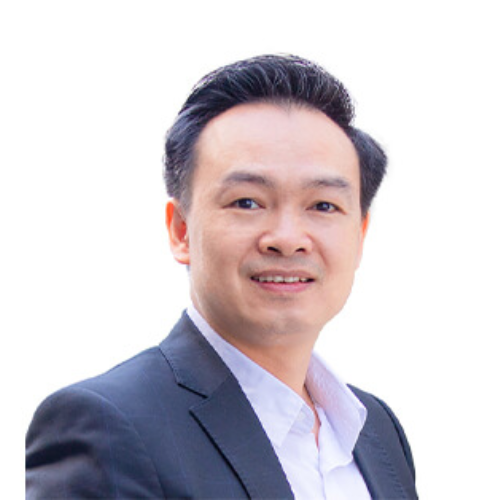
Led by Assoc. Prof. Dr. Le Van Hao – Former Deputy Director of the Institute of Psychology under the Vietnam Academy of Social Sciences, this session focused on how parents respond when children make mistakes, highlighting the impact of these reactions on children’s behavior and development, as well as appropriate ways to address them. Dr. Hao emphasized that John Dewey’s philosophy serves as a guiding principle for positive discipline: “We do not learn from experience… we learn from reflecting on experience.” He helped parents distinguish between letting children simply face consequences and actively supporting them in finding ways to correct mistakes—shifting the focus from “What did you do wrong?” to “What will help you do better next time?”
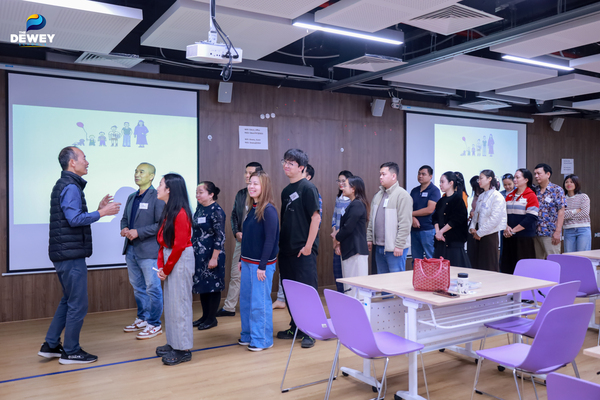
The session introduced two approaches to positive discipline. Natural consequences allow children to directly experience the outcomes of their actions within safe limits, under parental observation and support. Logical consequences, on the other hand, are intentionally designed by adults and follow the 3R principles: Respect – Related – Reasonable, helping children understand responsibility and recognize inappropriate behaviors on their own.
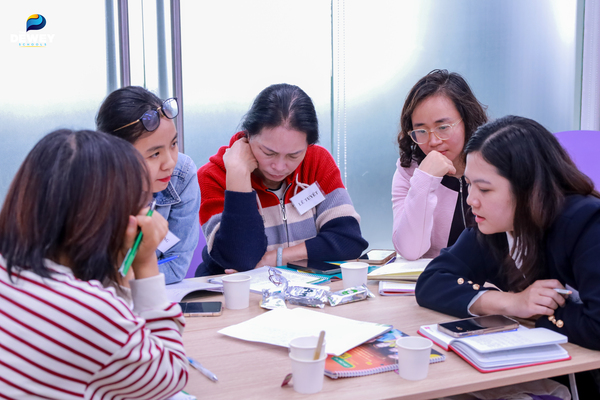
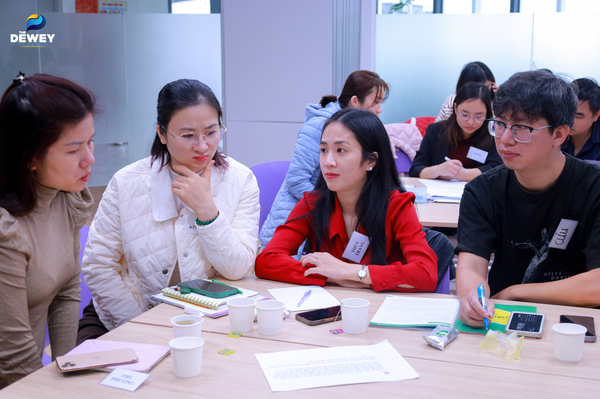

Throughout the session, parents were not only attentive listeners but also actively engaged in discussions, analyzing real-life situations and connecting them to their own families. This process helped them view positive discipline as an opportunity for learning, rather than pressure for both parents and children.
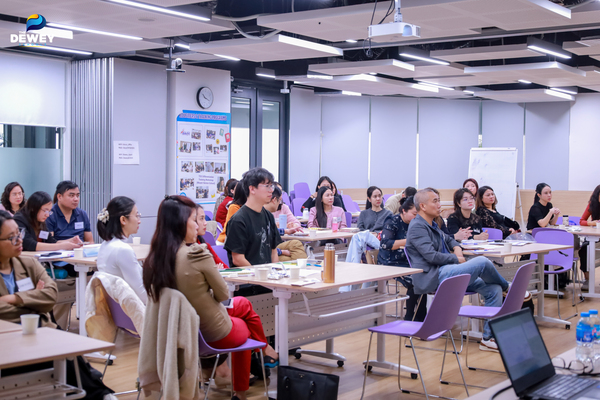
As the session came to a close, parents took home not only new knowledge but also a shift in perspective: discipline is not meant to make children afraid but to help them understand. Mistakes are not something to avoid at all costs, but valuable opportunities for children to learn how to do better, with their parents by their side.