
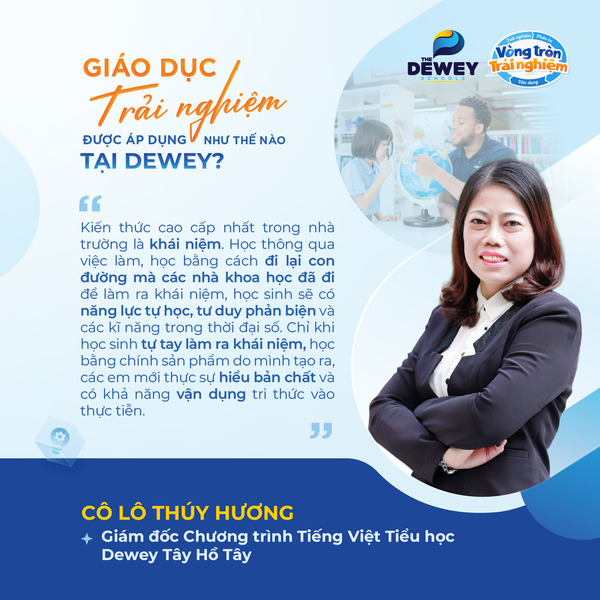
“The highest form of knowledge in schools is conceptual understanding. Only when students actively construct concepts themselves—learning through the products they create rather than passively receiving pre-existing knowledge—do they truly develop a love of learning, along with self-directed learning ability, critical thinking, and essential skills for the digital age.”
This is the educational philosophy affirmed by Ms. Lô Thúy Hương, Director of the Primary Vietnamese Language Program at The Dewey Schools Tay Ho Tay, when speaking about Experiential Education. But how is this philosophy brought to life in daily teaching and learning at Dewey?
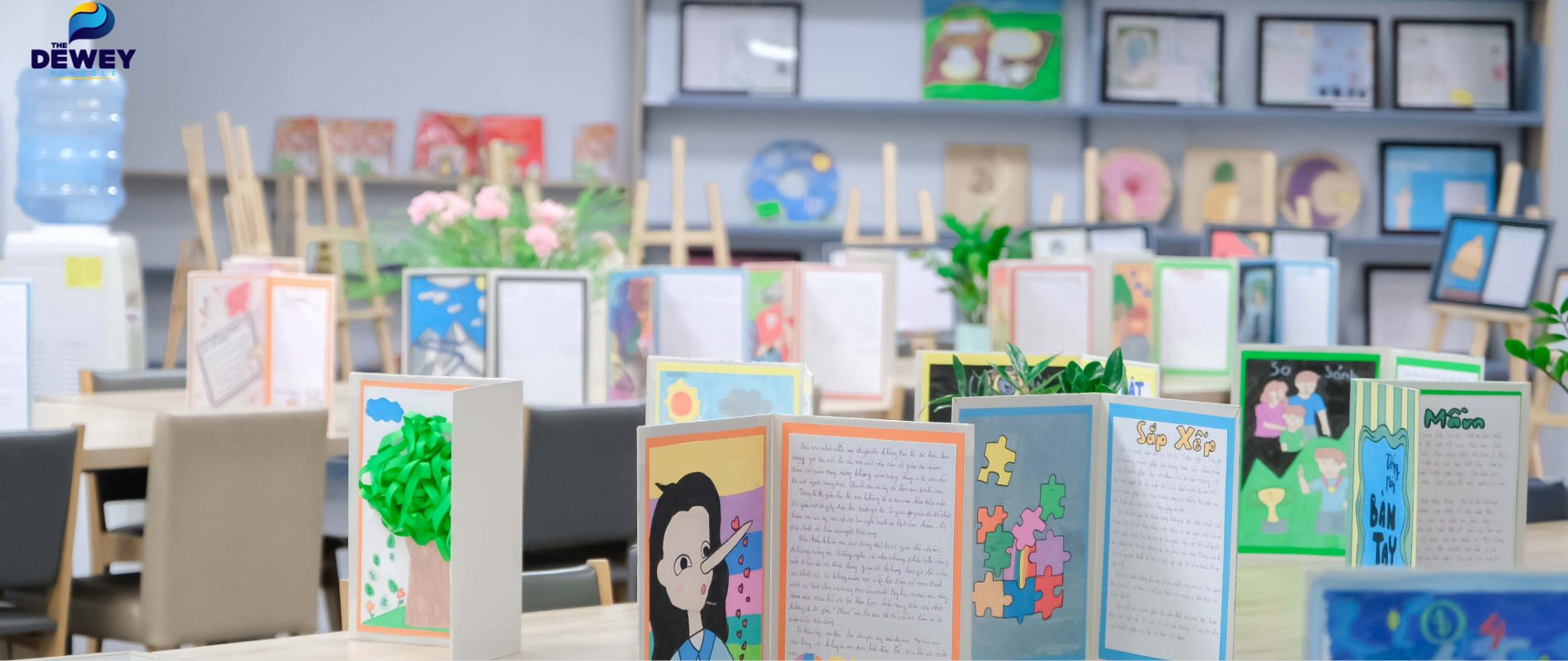
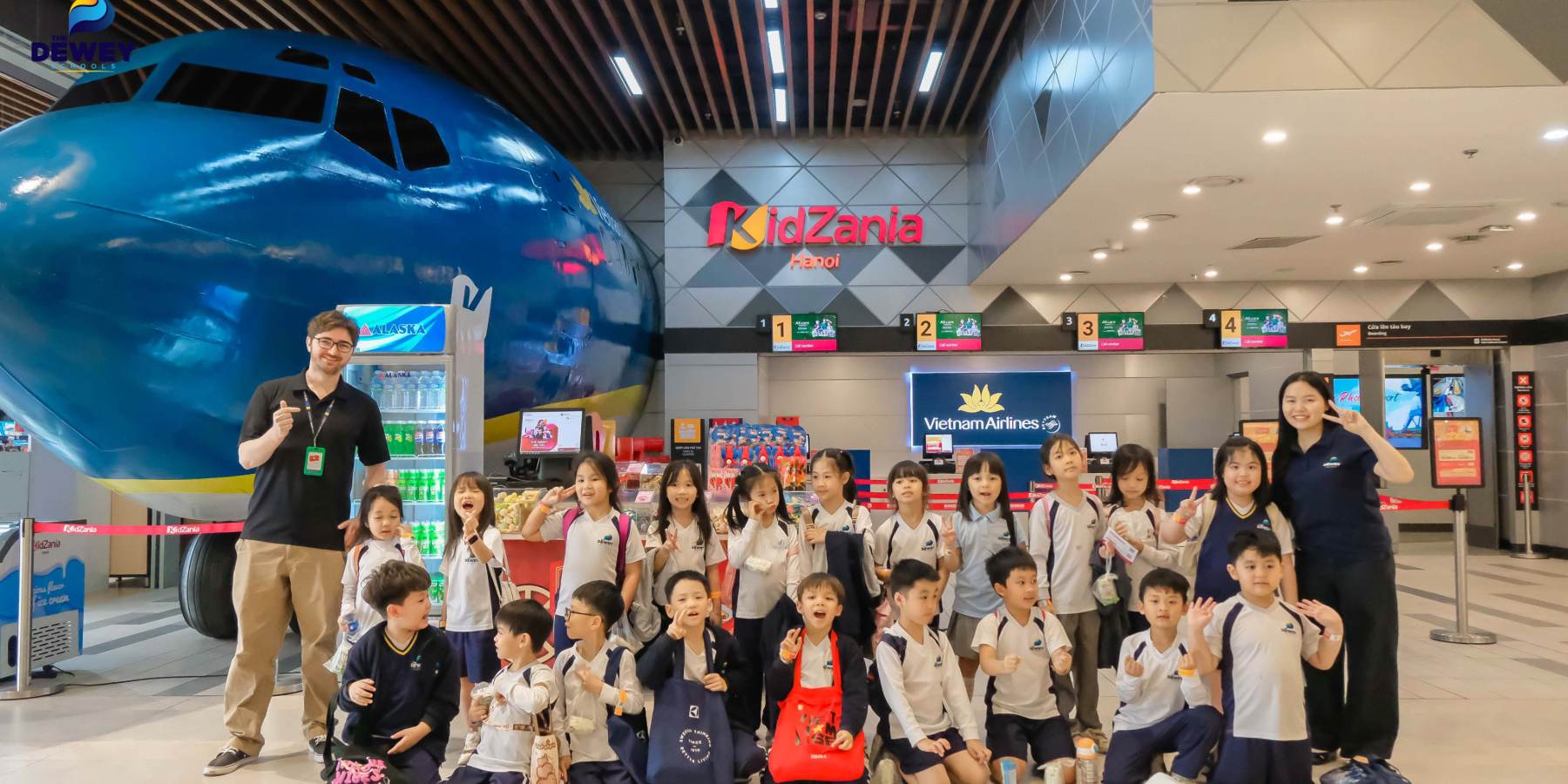
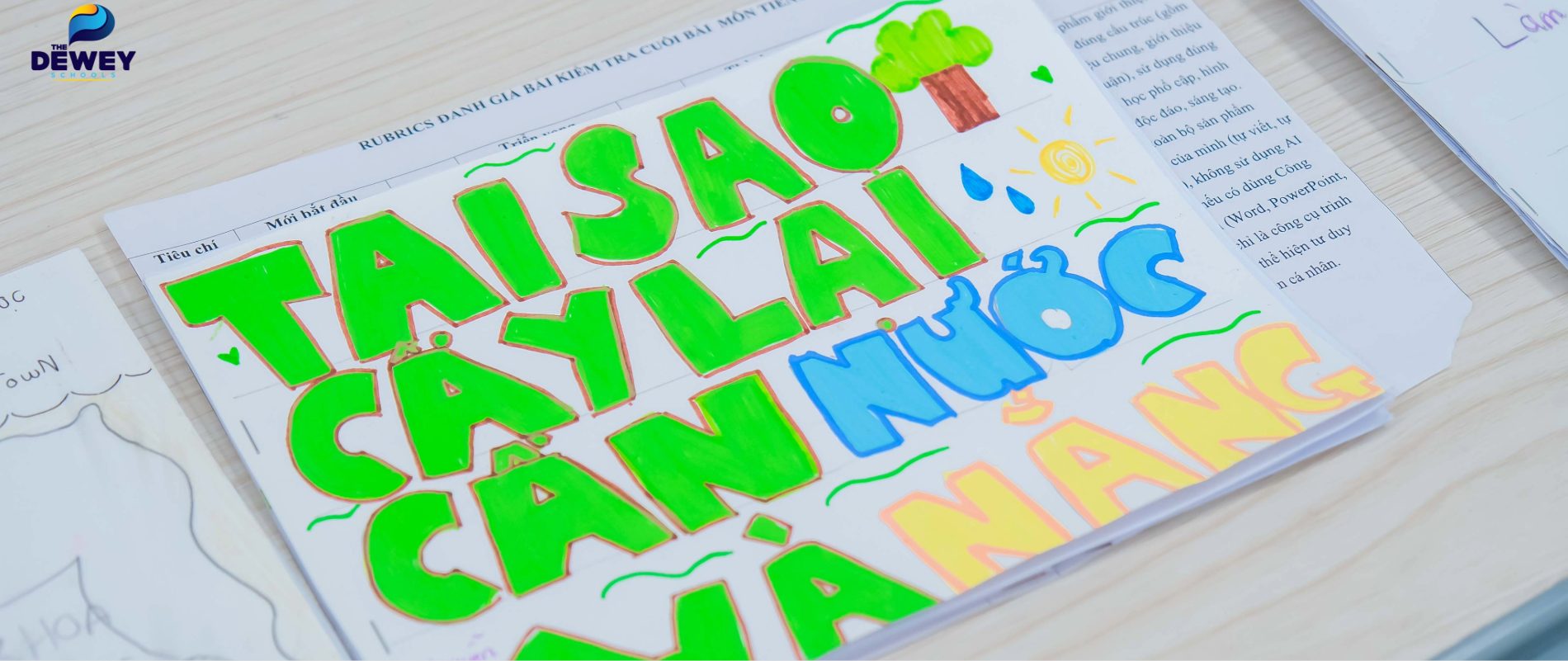
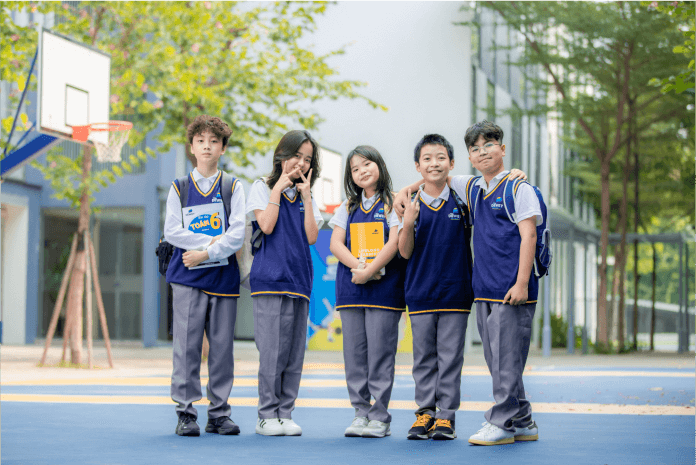
At Dewey, students are placed at the center of all learning experiences. Lessons and projects are designed around an experiential learning cycle, where students actively engage, ask questions, and construct knowledge themselves rather than receiving information in a one-way manner.
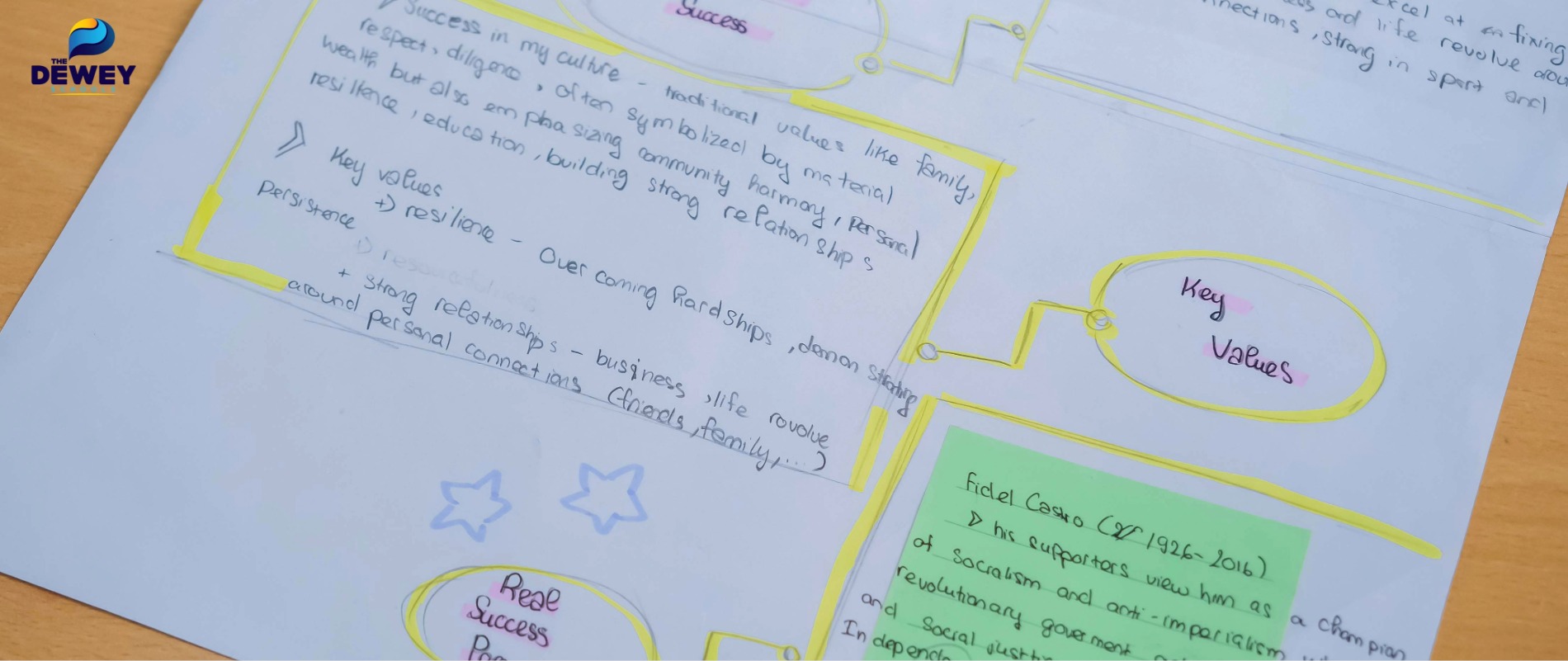
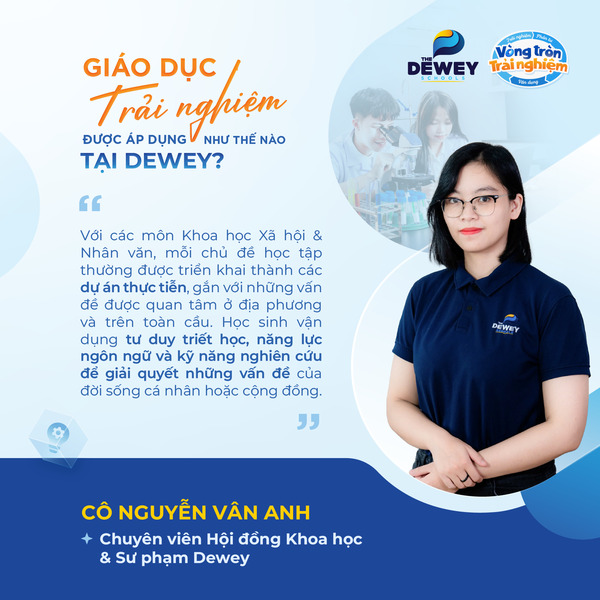
A representative example is the interdisciplinary project “Festival of Deities” in Social Sciences & Humanities. Students are grouped by major world civilizations, where they research materials, curate thematic collections, and retell mythological stories through a variety of creative forms, such as folk performances, dramatizations, or ritual reenactments. In this process, students take on the role of young “researchers,” actively exploring, investigating, and proposing solutions to contemporary social issues.
A core feature of experiential education at Dewey is learning through action combined with purposeful reflection. By directly engaging with real-world problems—experimenting, adjusting, and drawing conclusions—students develop higher-order thinking skills, practical competencies, and problem-solving abilities.
For instance, in the Grade 10 Mathematics project “Saving and Investment,” students are placed in a personal finance context: analyzing inflation, tracking currency value, making saving or investment decisions with a hypothetical budget, and building financial forecasts based on real data and graphs. Through this project, students learn to apply mathematical knowledge to real-life situations and cultivate informed decision-making skills. At the same time, a strong culture of reflection is fostered through activities such as exit tickets, learning journals, and reflection circles, encouraging students to consolidate insights after each lesson or project.
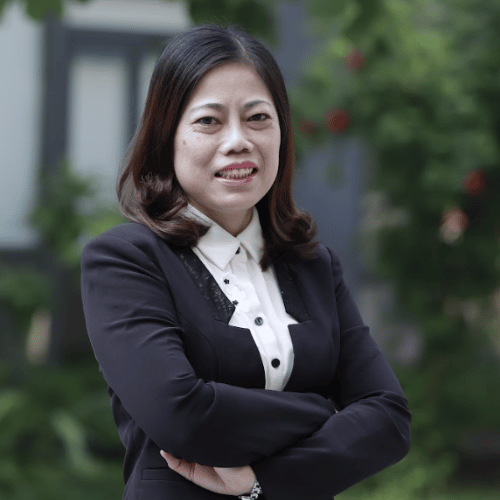
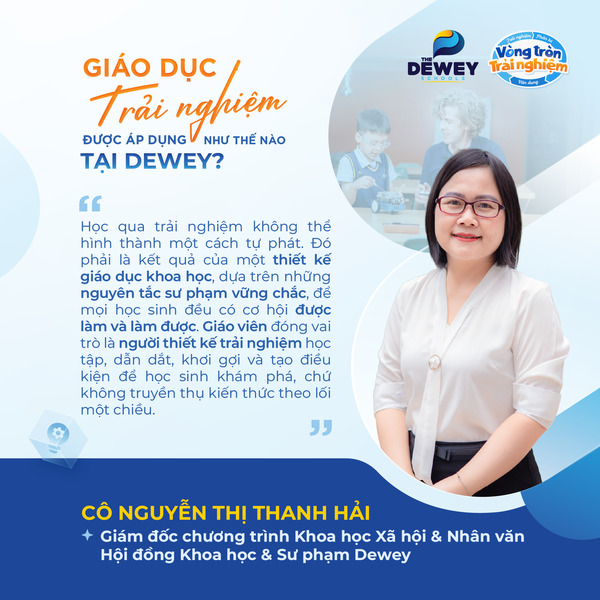
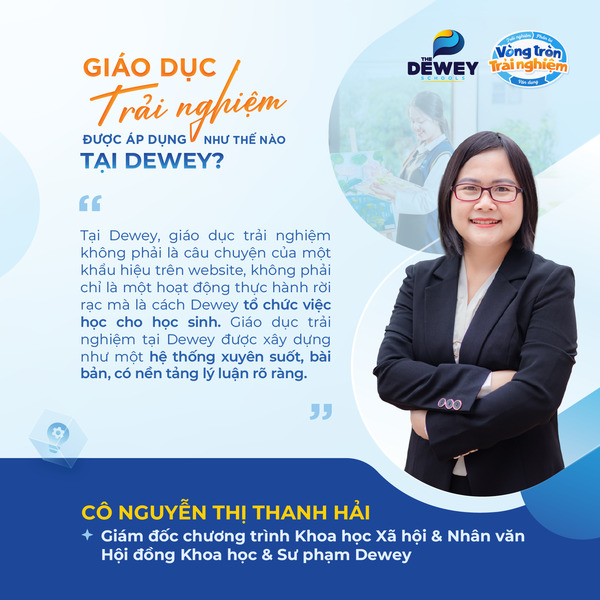
According to Ms. Nguyễn Thị Thanh Hải, Director of the Social Sciences & Humanities Program, experiential education at Dewey is not developed spontaneously but is built upon solid pedagogical foundations. The approach integrates modern educational methodologies such as inquiry-based learning, project-based learning, design thinking, and differentiated instruction. Within this system, teachers serve as learning experience designers, guiding and supporting students as they develop autonomy and lifelong learning capabilities.
Sharing an example from a Vietnamese Language lesson on verbs, Ms. Lô Thúy Hương explains that instead of providing ready-made lists of verbs and images for mechanical matching, Dewey teachers begin with real-life actions. Students perform actions themselves, observe them, and search for the appropriate words to name those actions. Through this process, students independently construct the concept of a “verb” and articulate its meaning. By retracing the path of knowledge construction—much like scientists do—students gain a deeper understanding of both the concept itself and how learning truly works.
In today’s educational context, as university admissions and competency-based assessments increasingly move away from rote memorization, test-taking tricks, and formulaic learning, experiential education is becoming an inevitable direction. The ability to construct knowledge, think independently, and engage in critical reflection forms the foundation for students to succeed in life and to become global citizens capable of learning and working effectively in multicultural environments.
——————-
The “EXPERIENTIAL CYCLE” campaign by The Dewey Schools affirms an educational approach in which experience is not merely a method but the very core of learning. Each student is placed at the center of their developmental journey, guided to build self-learning capacity, independent thinking, and the confidence to shape their own future.
Explore the dynamic world of experiential education at Dewey here: https://tuyensinh.thedeweyschools.edu.vn/vong-tron-trai…