
In the minds of many parents, assessments have traditionally been associated with neat rows of desks, the scratching of pens on paper, and a dead-silent atmosphere. However, at Dewey, TDSers are reporting their Vietnamese language learning outcomes through a fascinating scientific language project.
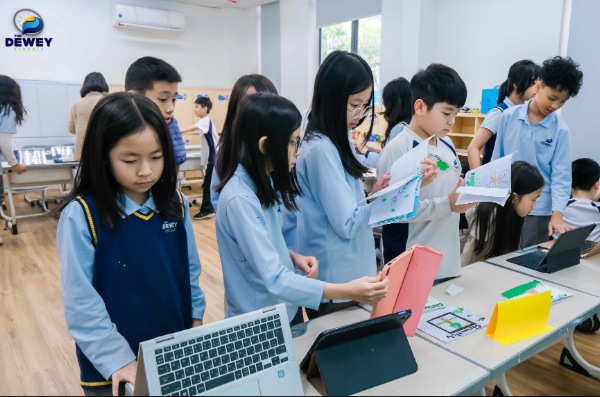
The first touchpoint of this journey is the connection across student generations within the school. Armed with notebooks, 5th graders conducted quick interviews with 2nd and 3rd graders about their scientific knowledge. Based on these insights, they filtered information, conducted research, and provided accurate yet accessible scientific explanations.
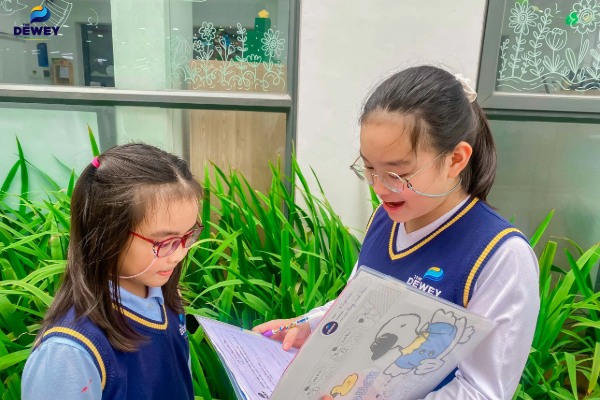
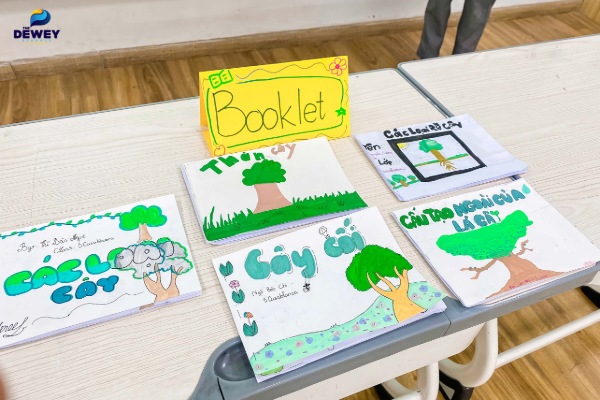
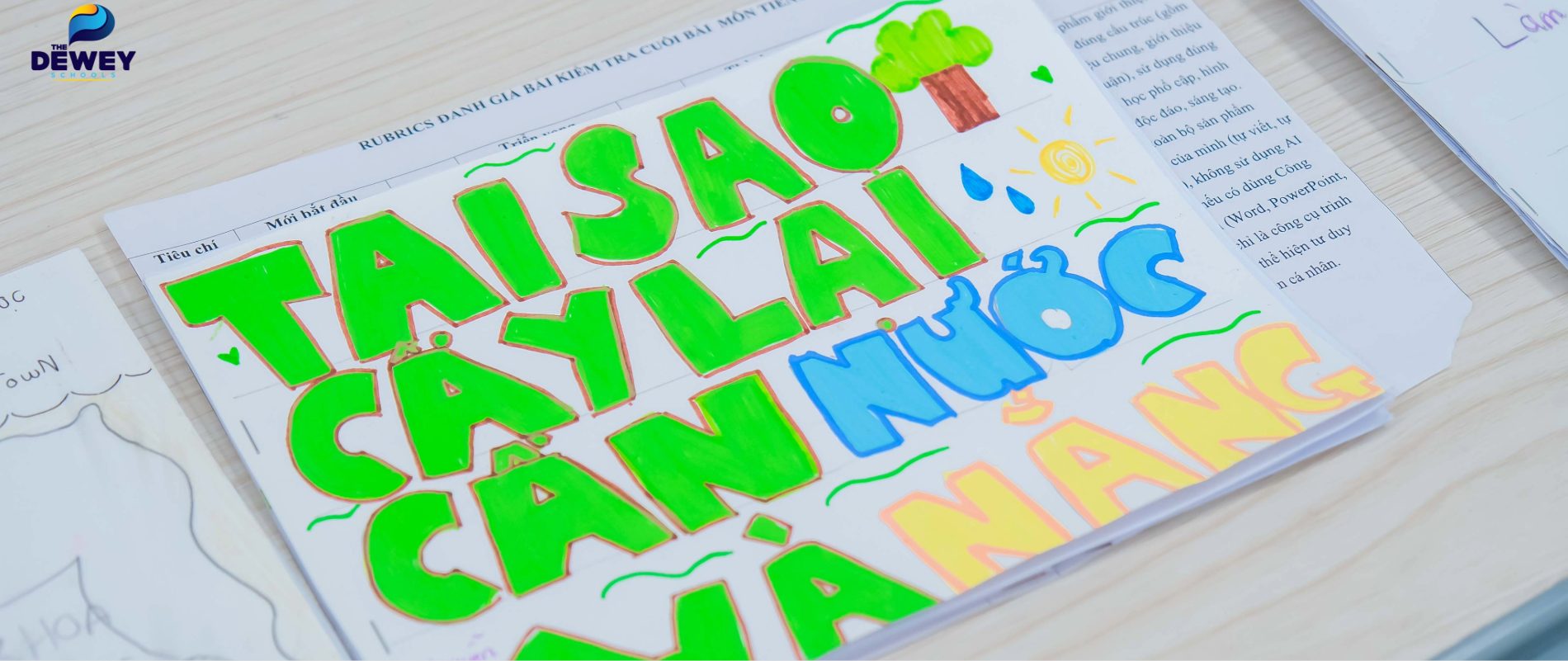
To create an engaging popular science article, students fully utilized their digital citizenship skills. Choosing to present their work through modern designs on Canva or meticulously crafting handmade booklets wasn’t merely a matter of preference. It demonstrated natural differentiation, allowing each individual to showcase their unique strengths: some excelled in visual thinking, while others showed sharpness in content structuring.
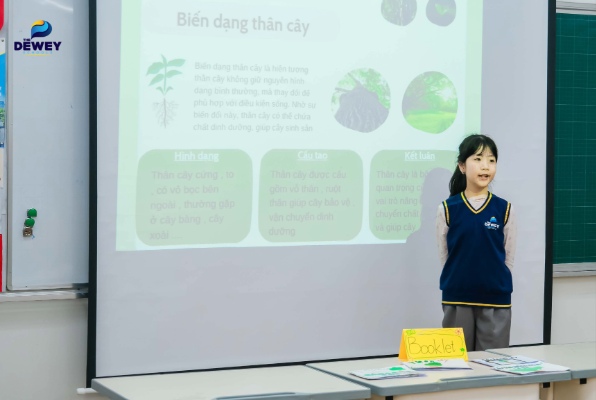
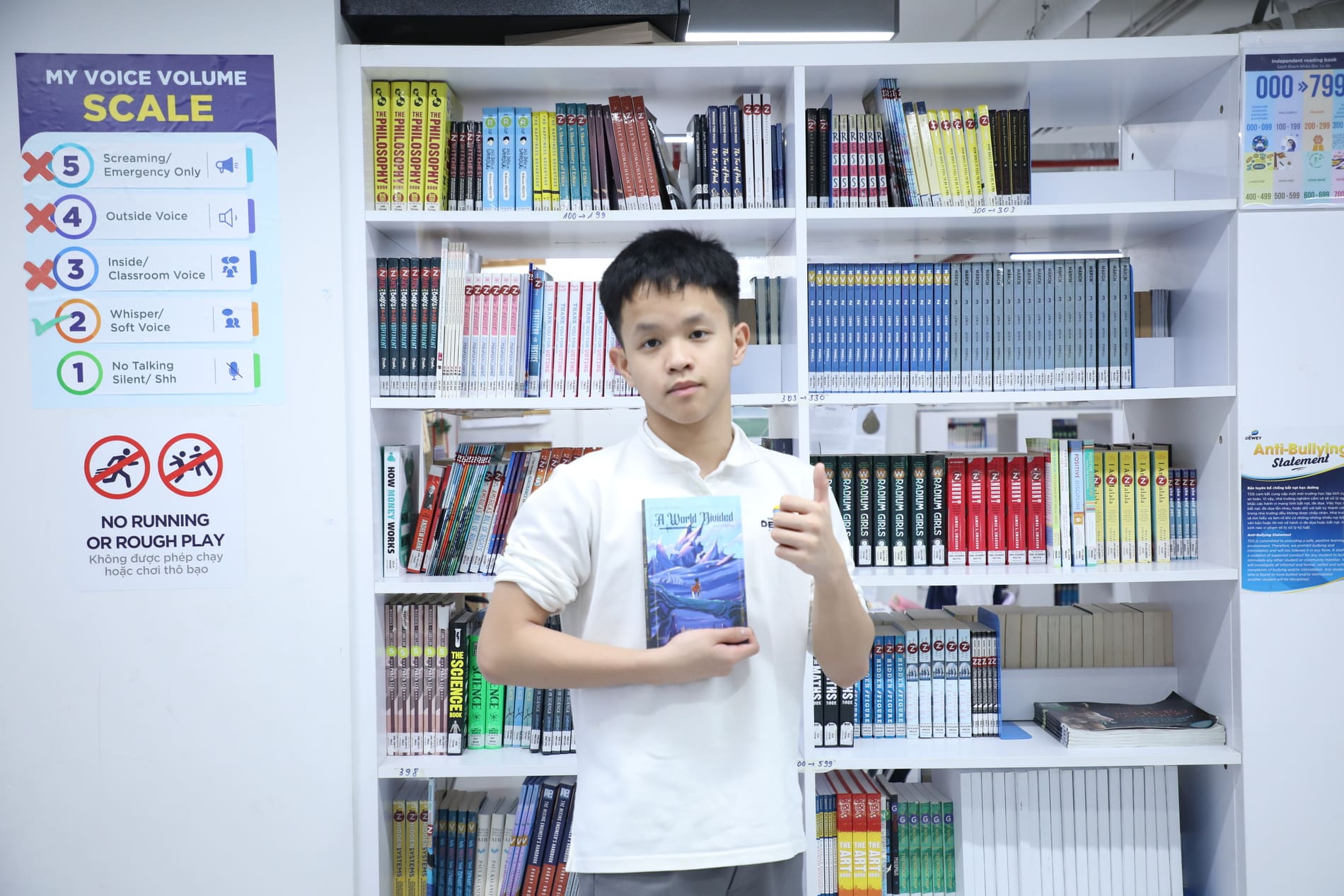
At the end of the project, the finished products were displayed in the library, serving as “reader-friendly” reference materials and a gift of knowledge from the older peers to the younger ones. This was also a moment for the students to realize that scientific language is far from dry when expressed with empathy and shared with dedication.
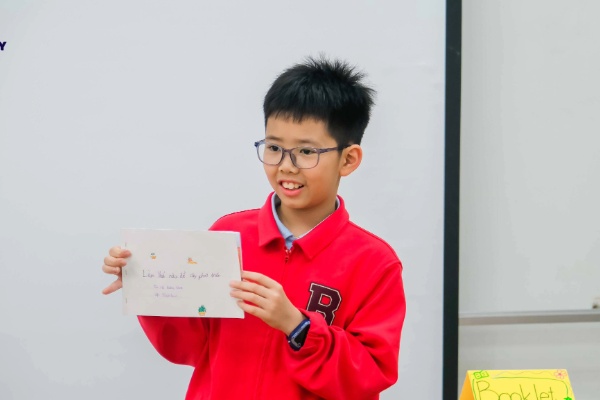
Through this project, language for the students has evolved beyond merely writing well or presenting beautifully; it is now about how they listen, search for, and transform knowledge. The small booklets resting on the library shelves stand as a testament to a meaningful approach to education: learning to understand, to share, and to spread knowledge.