

Science is present everywhere in life. Its applications are not confined to textbooks or familiar fields like Medicine, Agriculture, or Information Technology — they extend to countless other areas, including wildlife research and conservation. The interactive talk with Anusha Shankar, a National Geographic Explorer and Assistant Professor at the Tata Institute of Fundamental Research (India), offered TDSers a fresh perspective on how science can be used to explain animal behaviors, analyze human impacts on ecosystems, and inspire both environmental awareness and a passion for discovery among students.
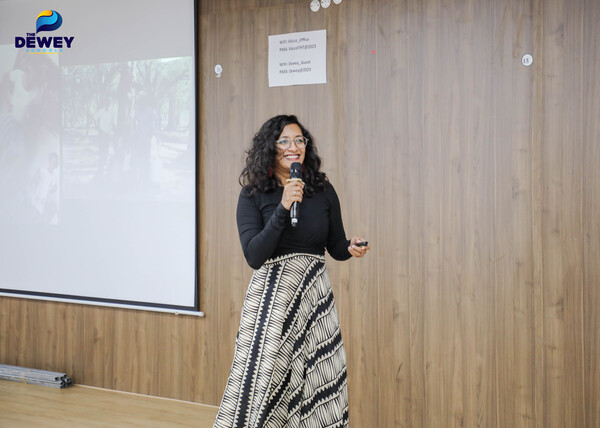
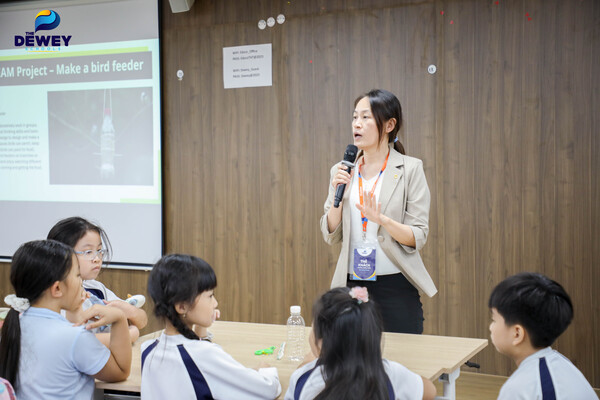

During the session, Ms. Shankar shared captivating stories from her real-life expeditions — from using infrared cameras to capture the “secret nocturnal lives” of hummingbirds, to exploring the energy-saving hibernation mechanisms of bears, squirrels, and other species. Her stories ignited students’ curiosity, courage, and enthusiasm for scientific exploration. In addition, Dewey students enjoyed a hands-on experience by creating small bird feeders, a meaningful activity that encouraged observation skills and strengthened their connection with nature right at home.
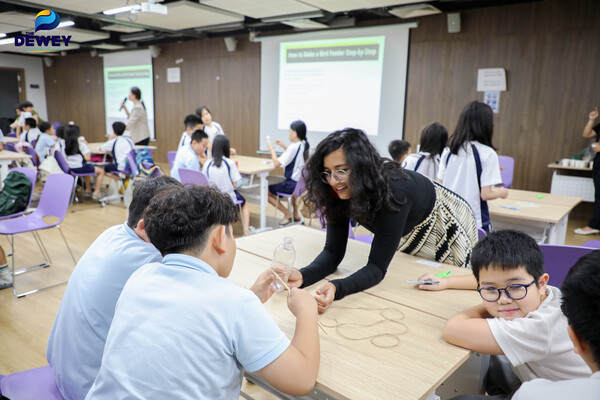
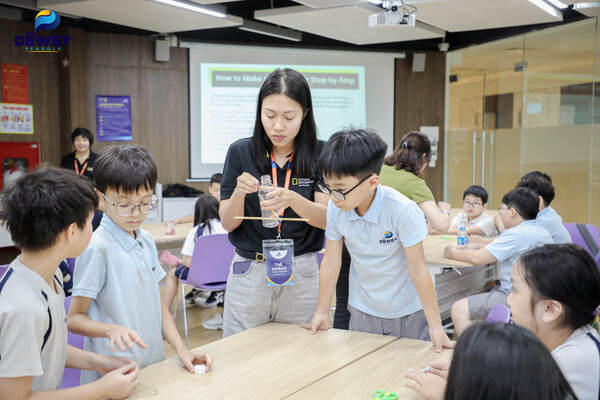

Ms. Shankar expressed her admiration for the inquisitiveness and lively engagement of Dewey students. She emphasized that nurturing children’s curiosity lays the foundation for critical thinking and observational habits—two essential skills in natural science research. “When we inspire a love for nature and a passion for discovery in each student, we are also cultivating environmental awareness, leadership, and the ability to make a positive impact on the community,” Ms. Shankar shared.




The exchange with National Geographic Explorer Anusha Shankar was truly a memorable experience—one that planted the seeds of curiosity, learning, and scientific exploration in every Dewey student.