
In recent months, The Dewey Schools has implemented a series of digital safety initiatives to equip students with the skills needed to protect themselves from online risks. This is just one component of the comprehensive “Well-being” ecosystem that Dewey is building to support students in developing holistically across knowledge, skills, and emotional well-being—achieving balance in mind, body, and character.

According to Ms. Nguyễn Thị Mai, Specialist at Dewey’s Student Welfare and Learning Support Department, the unique strength of Dewey’s Well-being model lies in its systematic implementation, data-driven decision-making, and multi-dimensional approach. Instead of relying solely on counseling sessions, workshops, or standalone Social Emotional Learning (SEL) programs, Dewey has established a proactive and comprehensive care framework aligned with the standards of the Council of International Schools (CIS).

Well-being standards are integrated into both the core curriculum and a wide range of extracurricular activities, enabling students to grow intellectually, emotionally, socially, and physically. Mental health care is also a key priority. The school conducts a Well-being Survey twice a year, gathering objective data systematically to identify early warning signs, analyze trends, and adjust programs or interventions in a timely manner. This approach proves more effective than ad-hoc surveys or relying solely on records from the Psychology Department.

A multi-disciplinary network—including Psychologists, SENCO Specialists (Special Educational Needs Coordinators), DSLs (Designated Safeguarding Leads), and the Safety Committee—works in close coordination to ensure comprehensive support for students across psychological well-being, learning environment, behavior, and safety policies.

Importantly, students are empowered through the Dewey Student Council (DSC), student-led clubs, and various student-driven projects. They are celebrated for their individuality through a recognition system that values diverse achievements. These elements play a crucial role in nurturing confidence, personal competence, and a strong sense of belonging—foundations that help students develop a positive mindset, emotional resilience, and a truly happy heart.



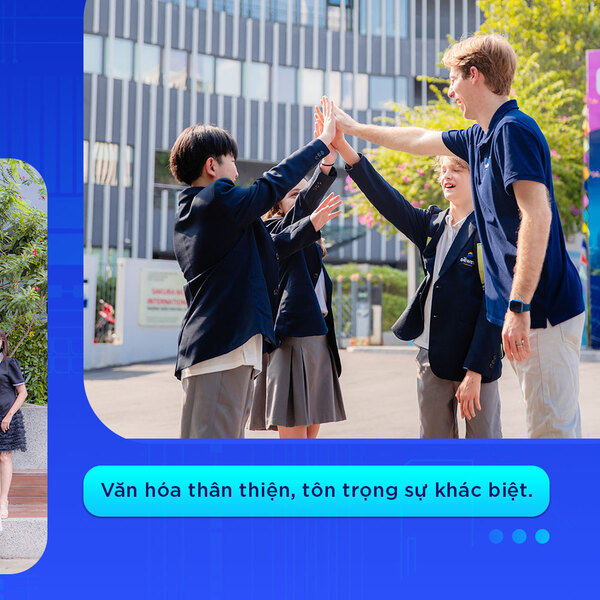

A generation of happy students is the cornerstone of a happy community. This belief fuels Dewey’s unwavering commitment to building a joyful, supportive school environment where every child receives comprehensive care and is empowered with confidence, adaptability, and a sustainable foundation for future growth. In a safe, understanding, and loving environment, students can overcome emotional barriers, define clear academic and life goals, and grow into responsible, compassionate contributors to society.