
A well-designed lesson does not begin with the question, “What will the teacher teach today?” It begins with a more important one: “How will students grow as a result of this lesson?”
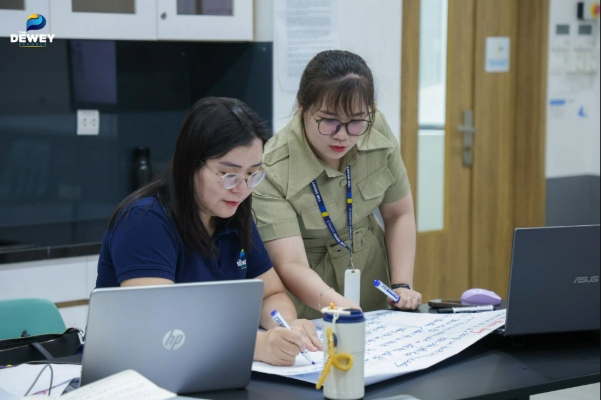
That question lies at the heart of the Design Learning Lesson for international teachers at The Dewey Schools. Rather than starting with what content to cover or which classroom activities to use, teachers were encouraged to begin with the students: What should they understand by the end of the lesson? What skills should they develop? What qualities should they strengthen? With those outcomes in mind, teachers can then map out the learning activities, classroom structures, and assessment methods that will best move students toward them – ensuring that every part of the lesson serves a clear purpose and contributes to student growth.
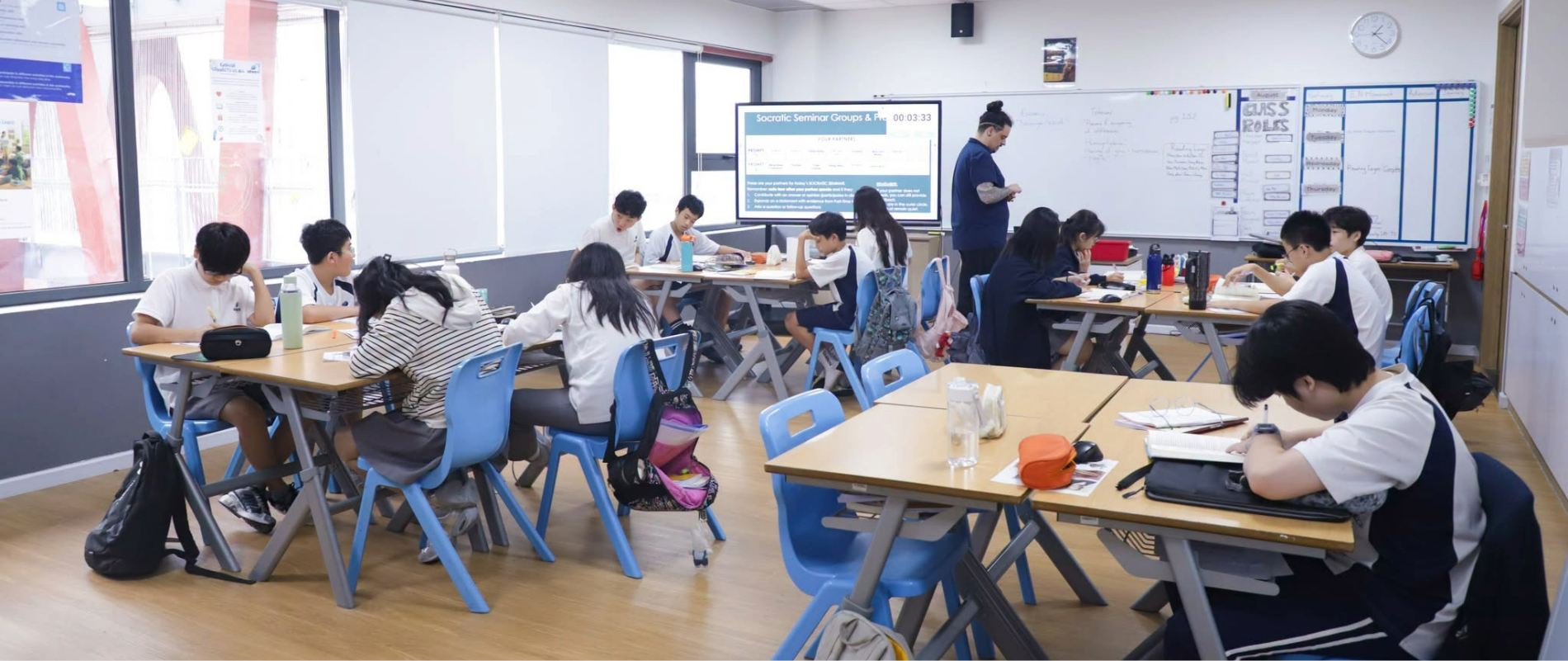
During the training, teachers took a lesson plan apart piece by piece to examine the role each component plays. The focus was not on how many activities could fit into a lesson, but on the learning value behind each one and how they connect to guide students toward the intended outcomes. Seen this way, a lesson becomes a coherent learning journey rather than a series of separate tasks. Students have opportunities to experience, reflect, practise, and gradually take greater ownership of their learning.
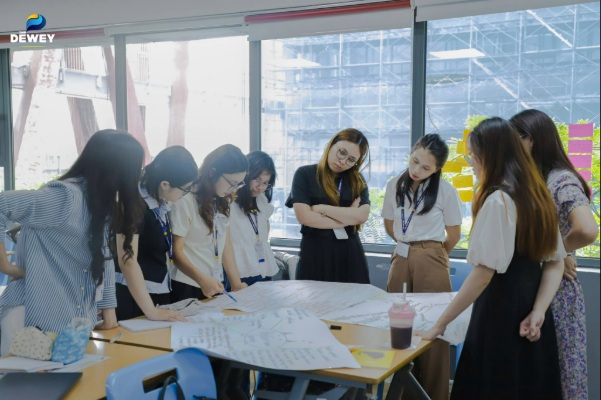
Another key focus was how to integrate the four Core Competencies – Self-Directed Learning, Global Citizenship, Digital Citizenship, and Social-Emotional Competence – across different subject areas. Teachers were invited to step into their students’ shoes and look at each activity from the learner’s perspective: What might students be thinking? Where could they struggle? What kind of support might they need? And what would genuinely draw them into the learning?From there, teachers explored how to design learning experiences that build knowledge while also developing broader capabilities – listening and communicating effectively, evaluating information from multiple sources, making responsible decisions, and looking at an issue from more than one perspective.

Lesson design, however, is never really finished. After each class, teachers take time to reflect, listen to student feedback, and consider how well each activity worked before making adjustments for the next lesson. It is this ongoing habit of observing, refining, and adapting that allows learning at Dewey to respond more closely to the needs of individual students and become increasingly purposeful and meaningful over time.