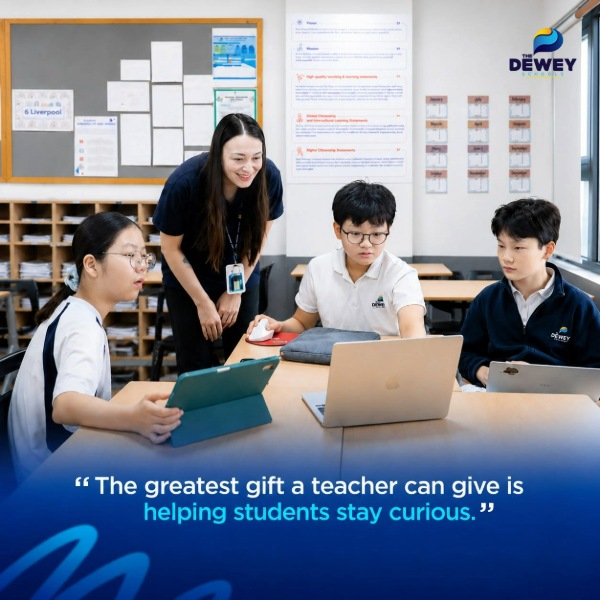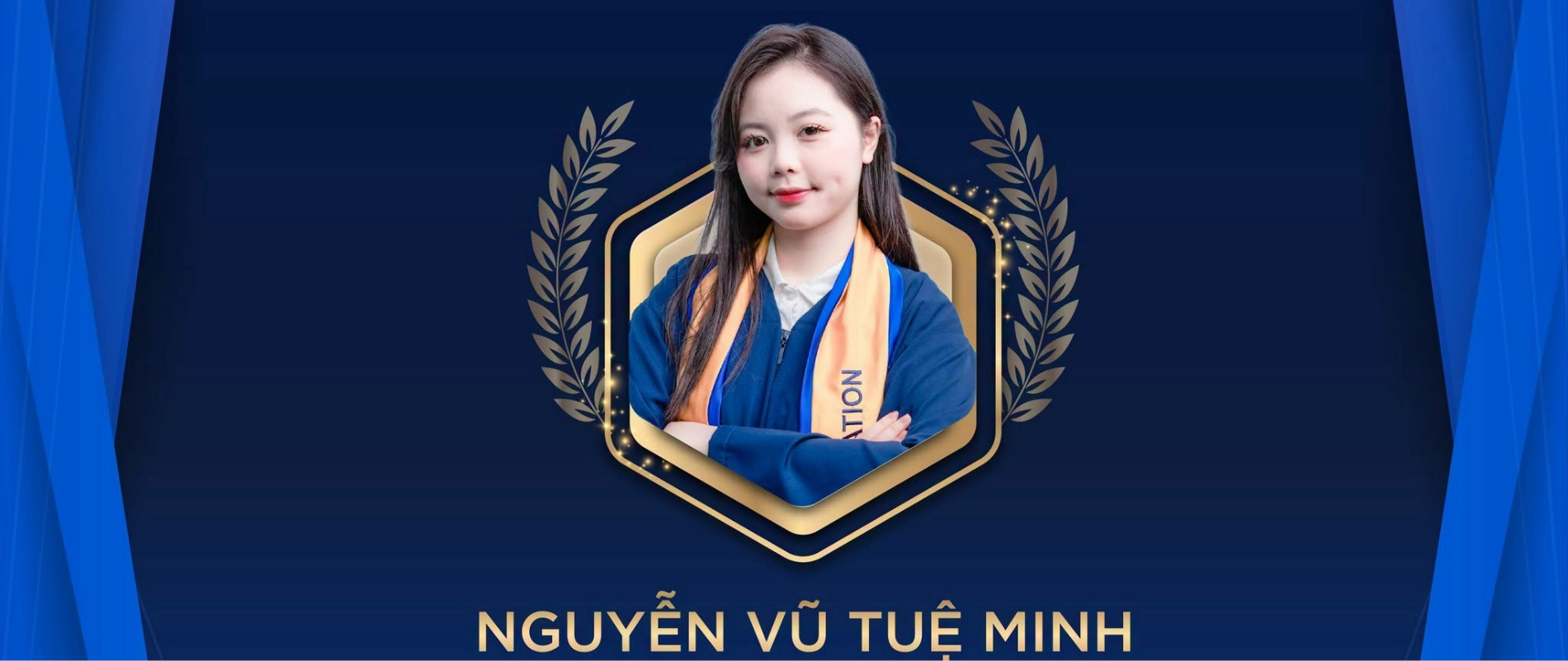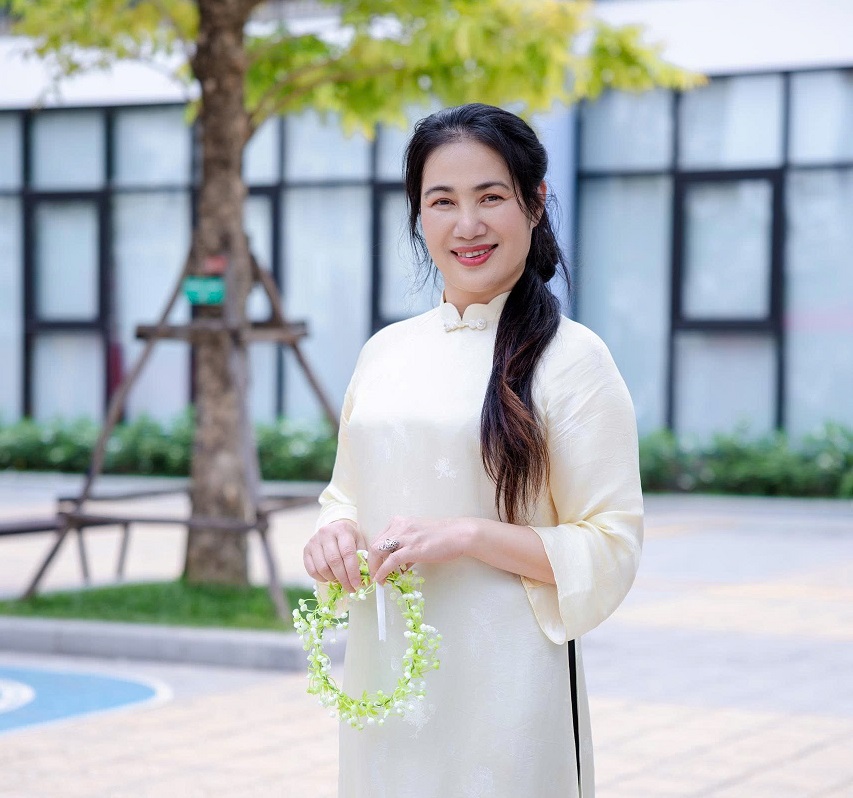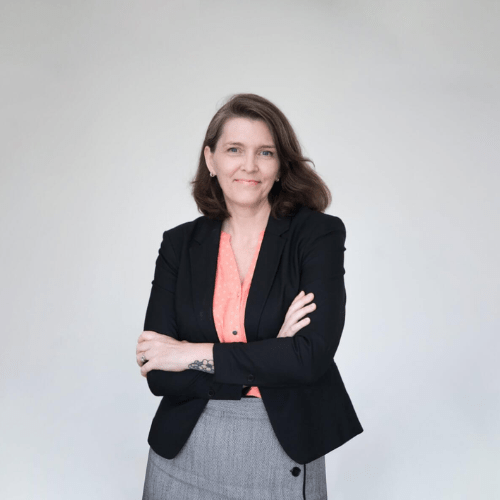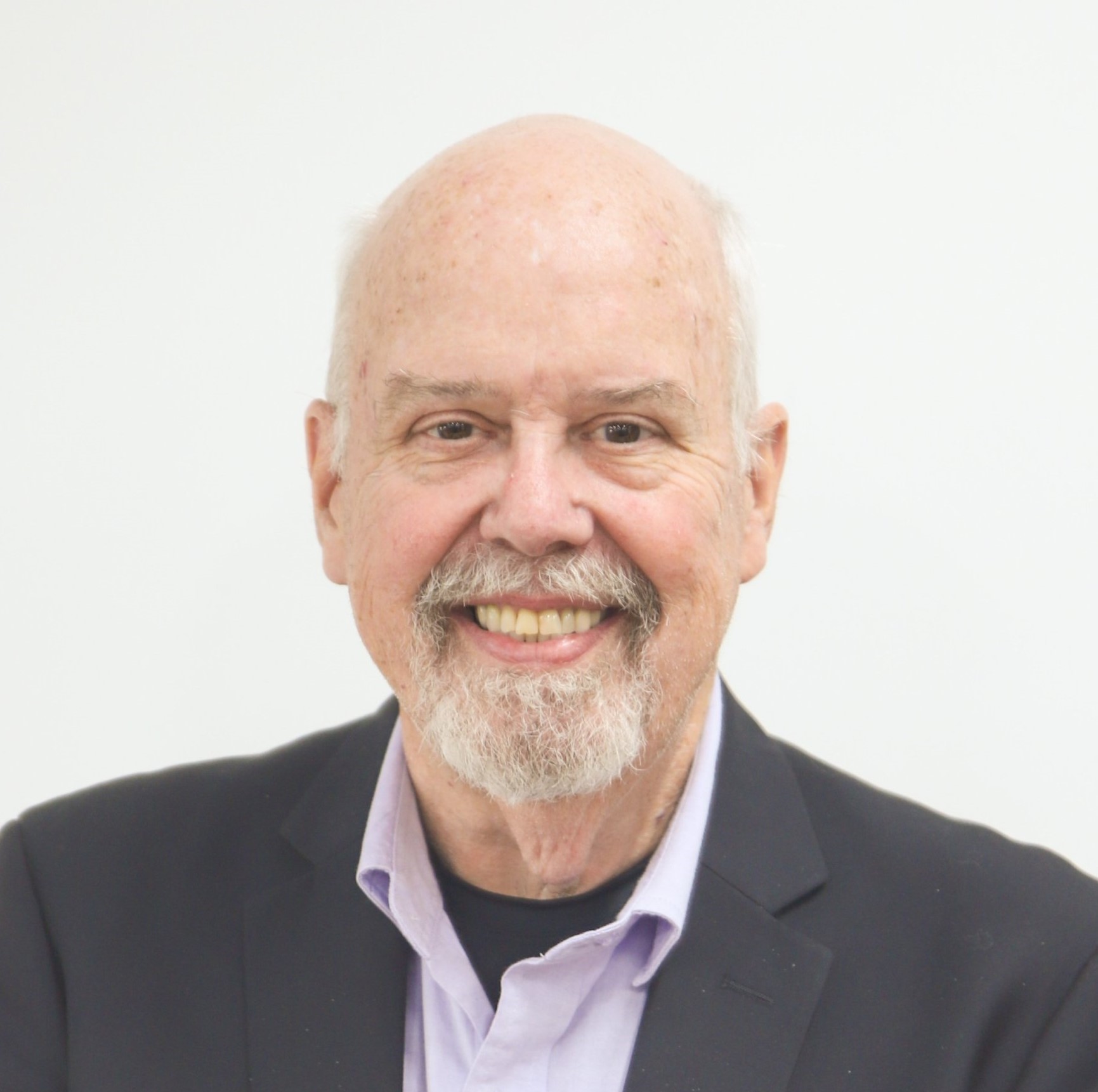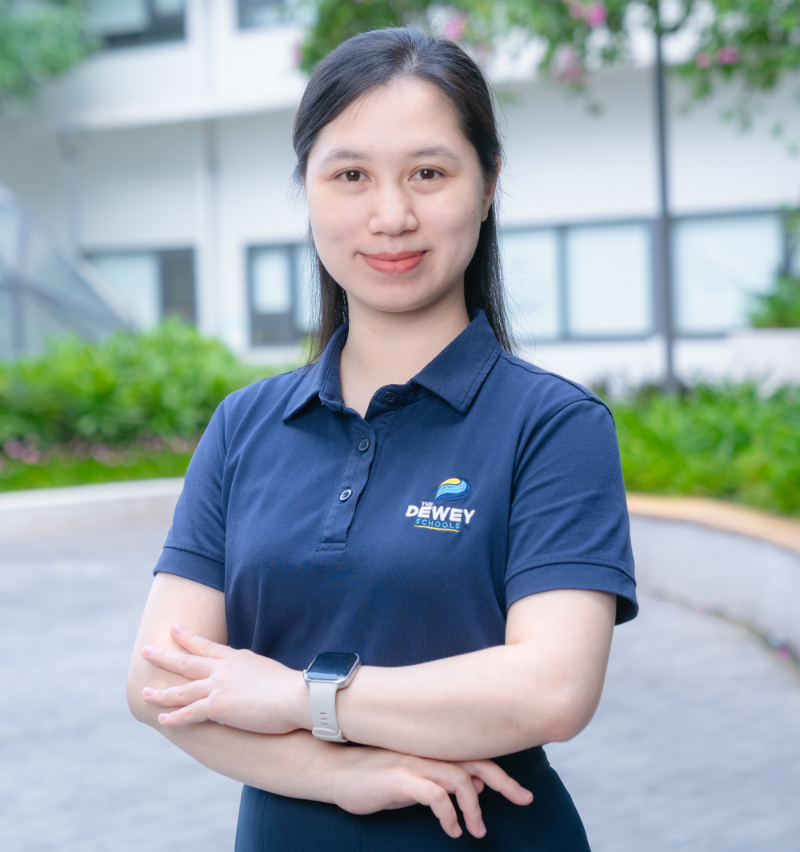

“The important thing is not to stop questioning. Curiosity has its own reason for existing.” Albert Einstein’s words capture something Ms. Grace Downing brings into her Humanities classroom every day: the belief that learning begins with curiosity.
For Ms. Grace, the question “Why?” is never just a way to get an answer. It is where deeper thinking begins. It invites students to explore the world, understand people more thoughtfully, and develop the confidence to form their own ideas. To her, learning is not about memorizing answers that have already been given. It is about asking better questions, making connections, looking at issues from different perspectives, and learning how to find meaning for oneself.
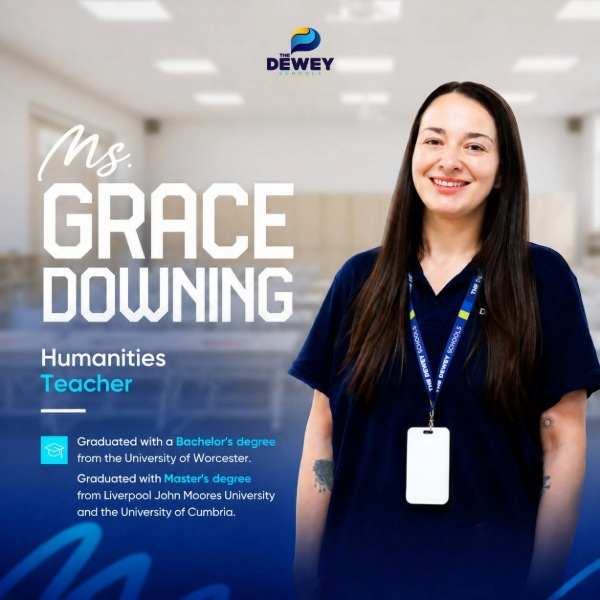
That is also why Humanities has become the subject she feels most connected to. Bringing together history, geography, sociology, language, and real-world issues, Humanities reflects the way she believes students should learn about the world: with curiosity, openness, and the ability to connect ideas across disciplines. After five years at Dewey, Ms. Grace has found that this philosophy closely aligns with the school’s educational vision: helping students build the knowledge, skills, and adaptability they need to create positive impact in their communities.
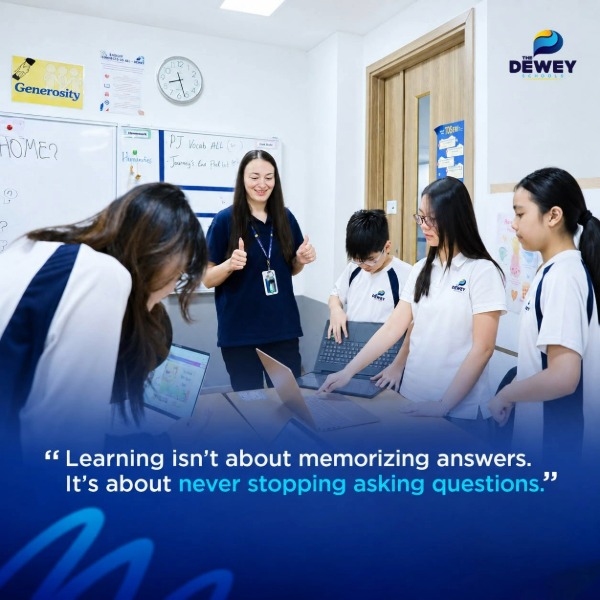
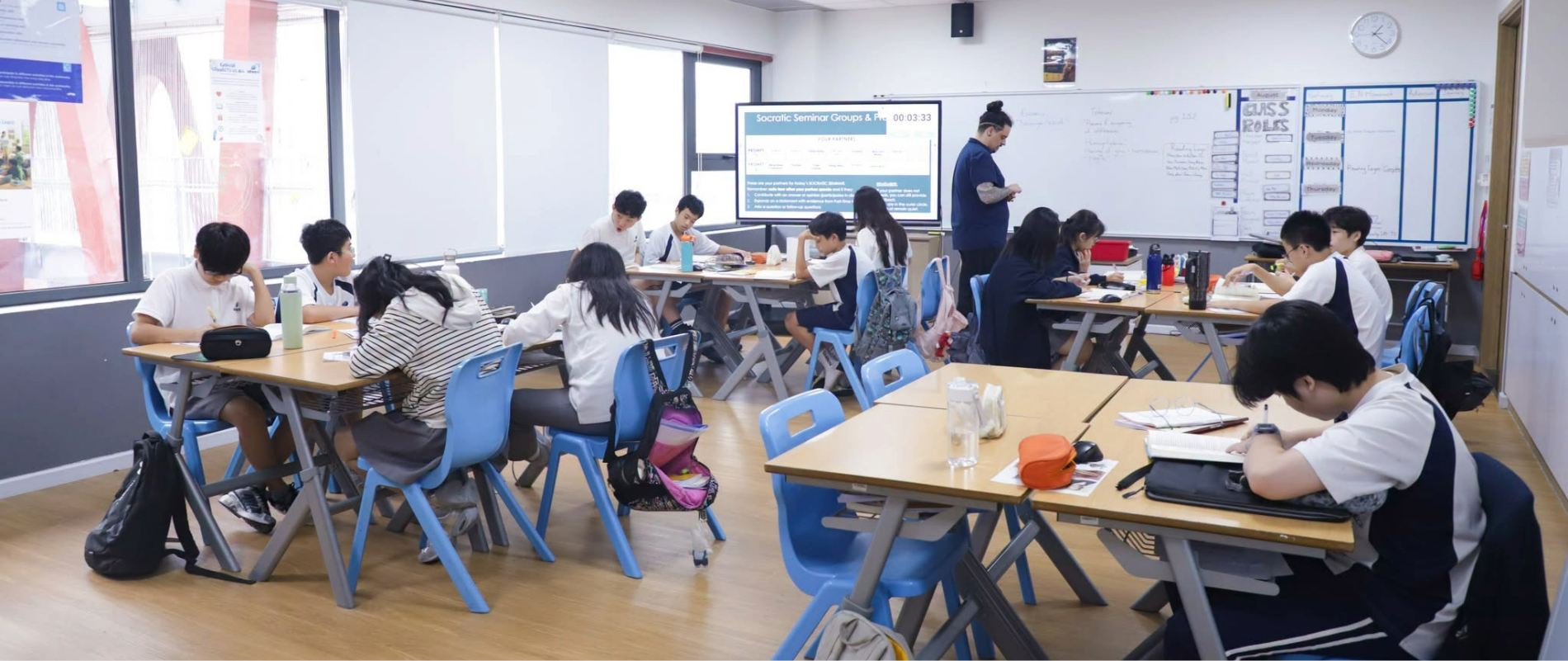
In her classroom, this belief is reflected in the way students learn and show what they understand. Instead of asking everyone to create the same final product, Ms. Grace gives students the freedom to choose how they express their learning. Some write essays. Others build websites, design models, create documentaries, or communicate their ideas through art. Whatever form their work takes, the purpose is the same: to help students build on their strengths and know that their ideas matter.
In a world shaped by AI and an overwhelming amount of information, Ms. Grace believes students need more than quick answers. They need to know how to ask meaningful questions, evaluate information carefully, and think for themselves. That is why she works to create a classroom where students feel safe to ask questions, share their perspectives, and listen respectfully to others. Through these conversations, they learn to keep an open mind, appreciate different viewpoints, and take part in meaningful dialogue — a skill that will stay with them far beyond the classroom.
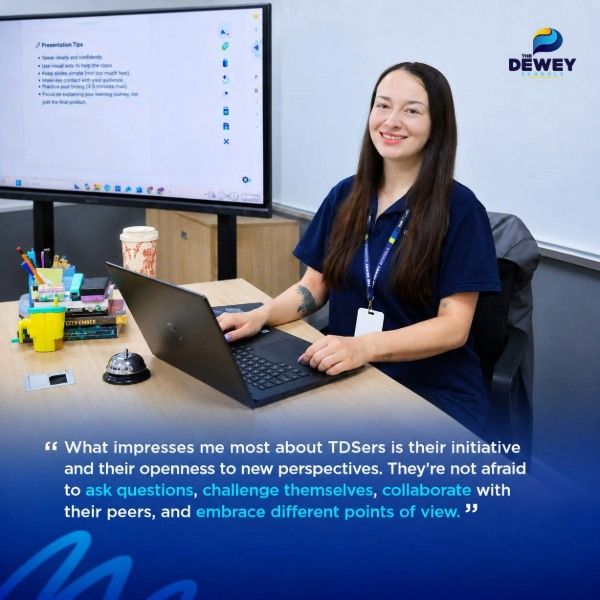
For Ms. Grace Downing, education is about much more than delivering knowledge. One of the greatest gifts a teacher can give is helping students stay curious, ask thoughtful questions, think independently, and respect perspectives different from their own. Because when students carry those qualities into the world, learning becomes more than something they do in school. It becomes a way of seeing, thinking, and growing as responsible global citizens.