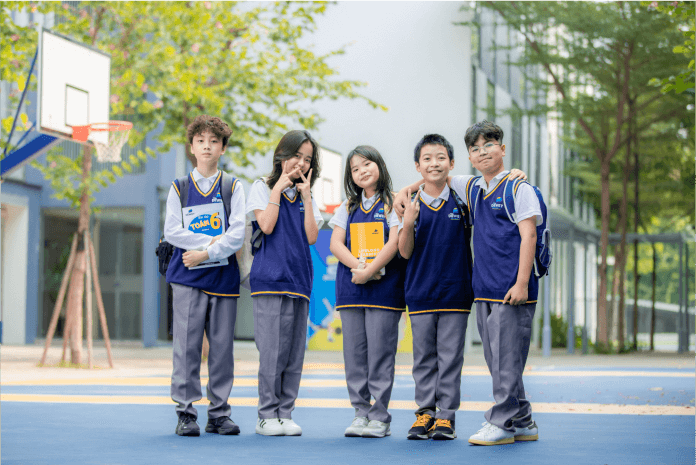

When spoken language is no longer available, how do people understand and connect with one another? In search of this answer, students from 9Zurich and 10Edmonton discovered forms of communication that transcend words during their visit to the School for the Care and Education of Children with Disabilities—a center currently providing care, rehabilitation, and specialized education to 104 children with disabilities and disadvantaged backgrounds.
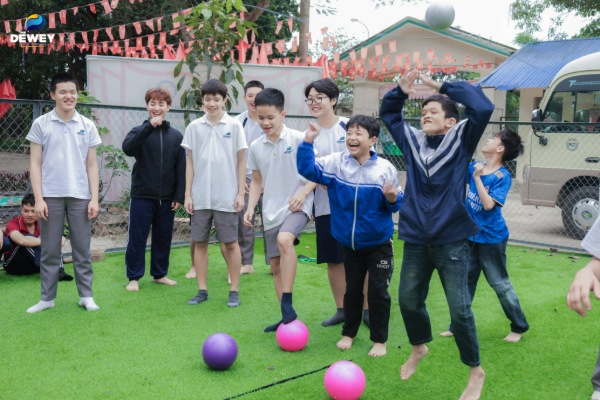
This experience was part of the Service as Action (SA) component within the International Baccalaureate (IB) Programme, which encourages students to take meaningful action in addressing real-world issues while developing empathy, social responsibility, and global awareness.
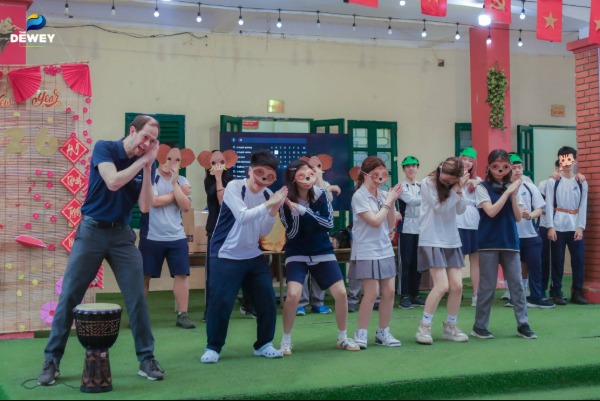
The lesson unfolded in a way unlike any typical classroom session. Guided by teachers and students at the center, TDSers were introduced to sign language—a bridge into the world of their hearing-impaired peers. Ngoc Khanh (10Edmonton) reflected: “I realized that language holds a remarkable power—it can connect hearts that seem far apart and dissolve barriers through compassion. The interactions made me feel a deep sense of warmth and closeness. Every child here is a ‘warrior,’ constantly striving to overcome their own limits and integrate into society.”
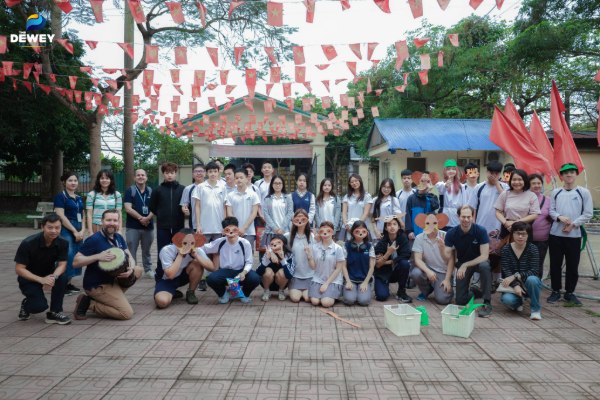
The experience offered students a deeper perspective on communication and understanding. They began to explore alternative forms of connection beyond spoken language—through eye contact, gestures, and sign language. Each mode of expression carries its own perspective, helping students recognize that people perceive and interpret the world in diverse ways. This awareness nurtures their ability to listen, empathize, and respect differences in viewpoints and lived experiences.
Mr. Michael, an IB Mathematics teacher, shared: “This visit was not merely about performances or interactive activities. It was an experience that encouraged students to step outside their comfort zones and engage with individuals from different circumstances. From there, understanding and connection emerged naturally—leaving behind profound lessons that no classroom lecture alone could replace.”