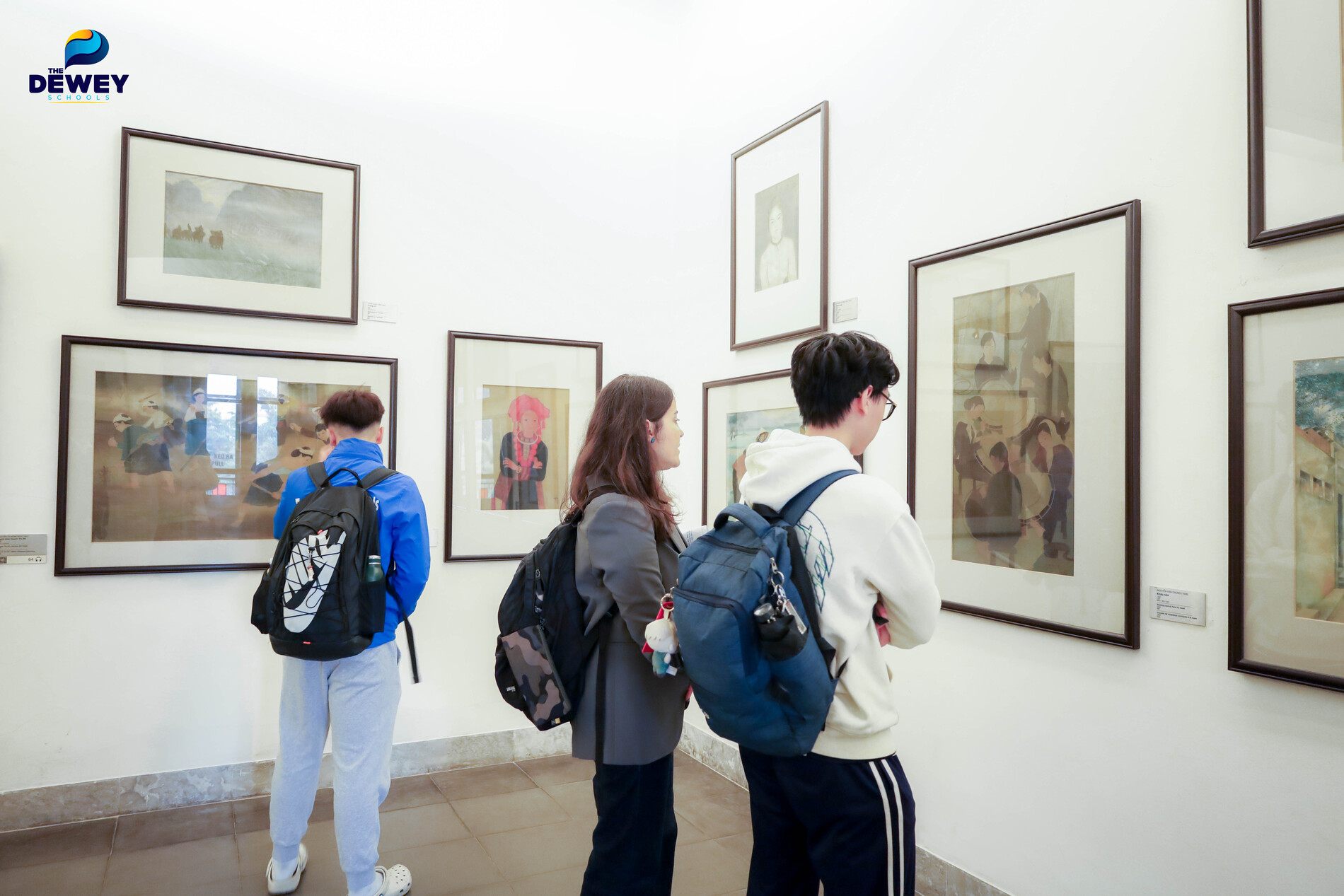

Within the tranquil space of the Vietnam Fine Arts Museum, students from class 11Denton thoughtfully observed each artifact, seeking answers to the question: “Is the arrangement and display of artworks in a museum random, or is there a deliberate intention behind it?” The worksheets in their hands gradually filled with notes and reflections, forming part of their learning experience in the International Baccalaureate (IB) Theory of Knowledge (TOK) course.
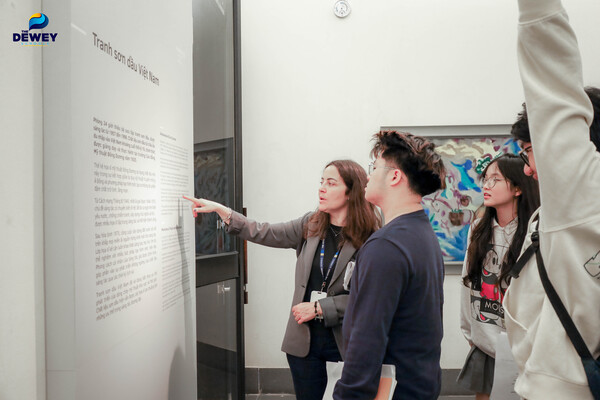
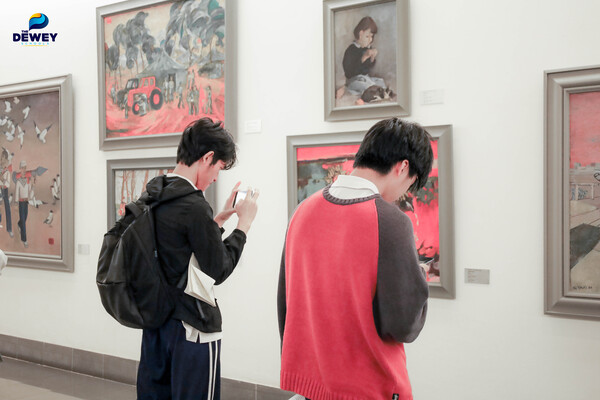
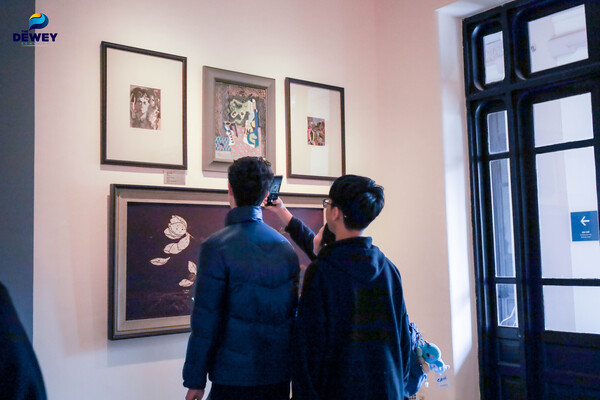
Through the visit, students discovered that the placement of each artwork and artifact within the exhibition space reflects the curator’s intentional storytelling approach. For instance, in the modern art gallery, artworks are organized by themes and artistic styles, enabling viewers to recognize shifts and innovations in artistic thinking across different developmental periods. Beyond spatial arrangement, many students also noticed the role of lighting in guiding visual experiences, with prominent pieces often positioned centrally or illuminated more dramatically to capture attention.
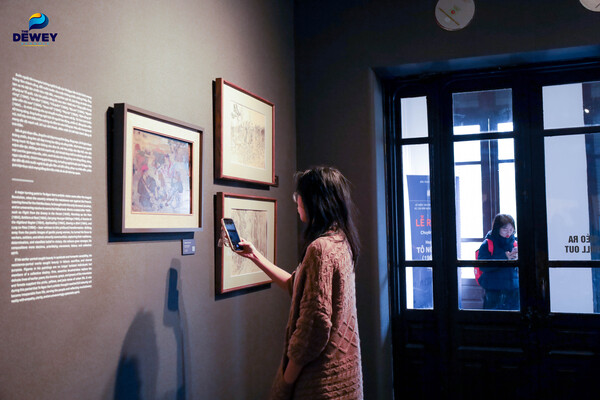
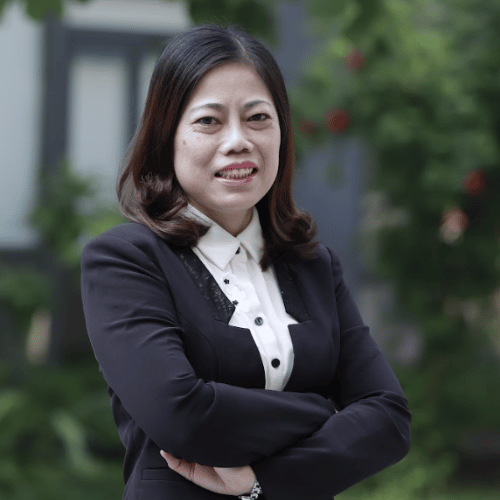
Sharing insights about this learning activity, Ms. Fulya Muldur Akturk, the subject teacher, explained: “TOK encourages students to move beyond memorizing facts or textbook knowledge, helping them realize that knowledge exists everywhere — in every artifact, every artwork, and even in the ways people preserve and narrate stories about history and culture.”
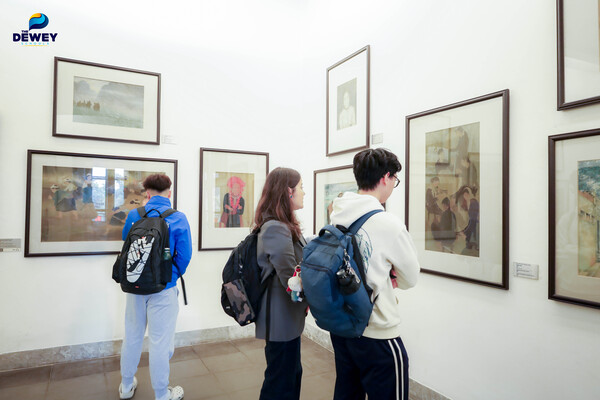
Throughout the visit, the worksheet functioned as a “thinking compass,” guiding students to analyze artworks through TOK concepts and terminology. Students were encouraged to reflect on multiple layers of meaning within each piece, including historical and social contexts, the messages artists intended to convey, and the influence of Vietnamese cultural values. They also explored the diversity of interpretation, recognizing that a single artifact can be understood differently depending on the viewer’s time period, age, or cultural background.
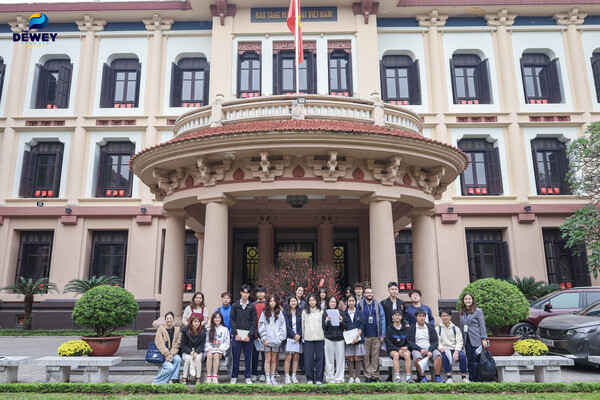
For IB students, each field trip not only expands their knowledge but also nurtures core learner attributes such as curiosity, analytical ability, critical thinking, and multidimensional perspectives. These qualities form a strong foundation for students to become proactive learners, ready to explore the vast world of knowledge ahead.