
For a long time, education has often been viewed from the teacher’s perspective:
Do you know what is taught? How is it taught? Is it taught well?
Yet the most essential question should be asked from the learner’s side: How do we learn?
Only when education shifts its focus from teaching to learning can we reach the true essence of learning—where learners do not passively receive knowledge but actively construct it through action, experience, and reflection.
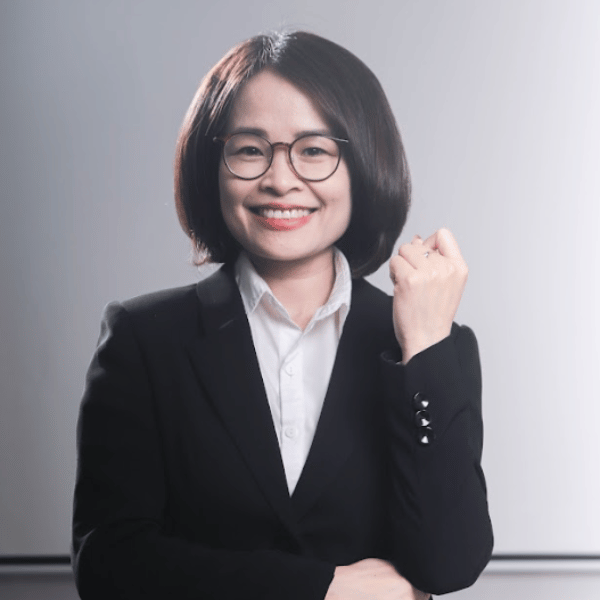
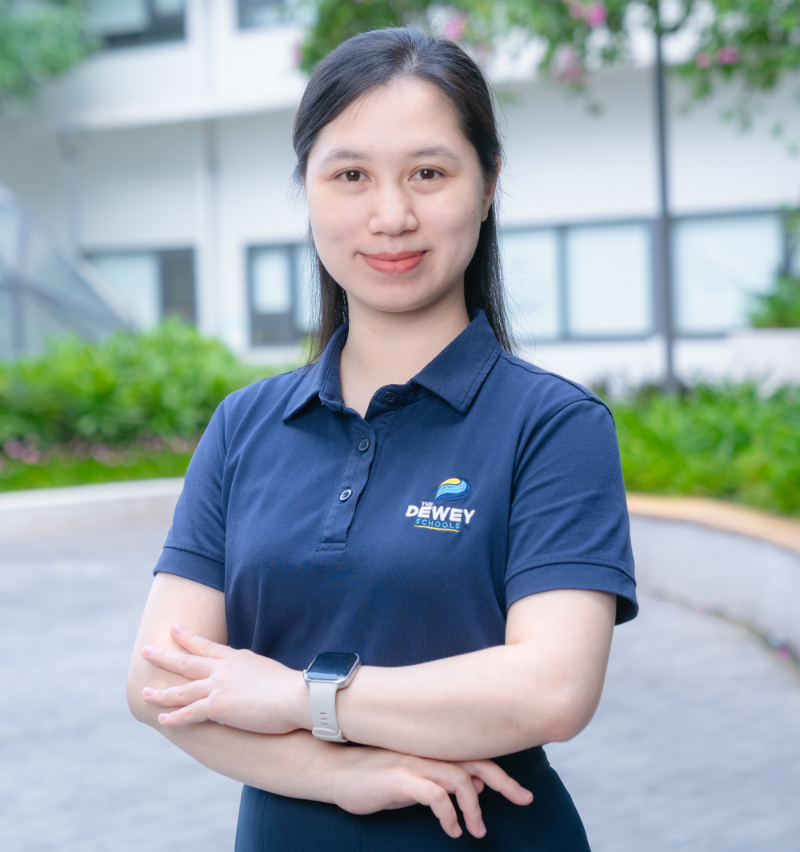
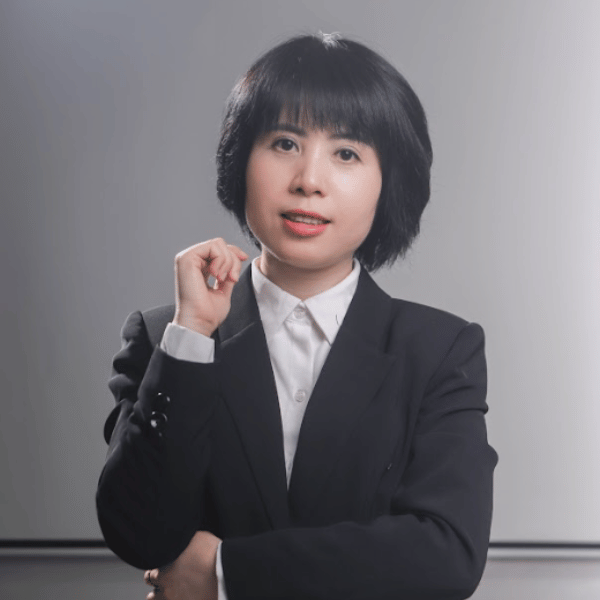
From this perspective, educator Pham Toan—former Educational Advisor to The Dewey Schools—articulated the educational philosophy: “Self-learn, self-cultivate, self-invent.”
This philosophy is a scientific synthesis grounded in major educational psychology theories worldwide, from John Dewey, Jean Piaget, Lev Vygotsky, and Jerome Bruner to Howard Gardner, analyzed and integrated by Pham Toan in his 2008 research work “The Confluence of Educational Psychology Theories.” Over more than 50 years of studying how children learn, he translated these theories into modern educational practice, enabling learners to truly self-learn, self-cultivate, and self-invent.

Self-learn—Learning Begins with Action
Modern educational psychology shares a common conclusion: Children do not learn by memorizing first; they learn by acting first.
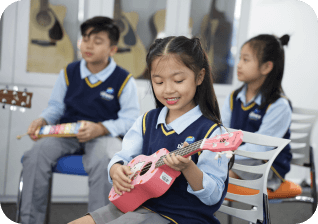
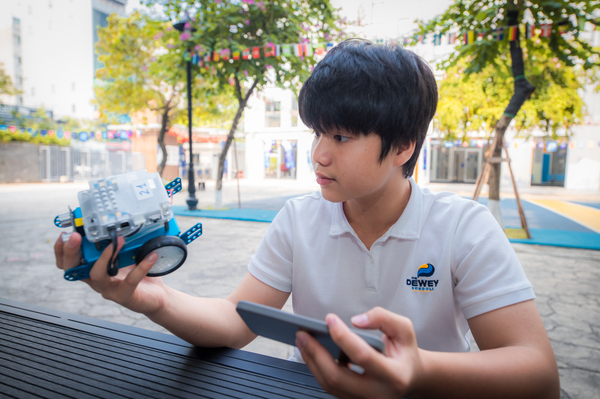
Every action triggers the brain to adjust, adapt, and develop. Cognitive growth is a continuous process of adaptation and reorganization. From these insights, Pham Toan recognized that children must be placed in a deliberately designed learning environment, where they can manipulate, explore, and transform the unknown into the known, and from what is known, create something new. This is the natural cognitive process of humans—and the essence of self-learning.
In such an environment, the educator’s role is no longer to transmit knowledge but to design learning processes: creating situations, experiences, questions, and challenges that activate thinking. Only when learners themselves construct knowledge does it truly become their own, deeply understood, long retained, and readily applicable.
Self-cultivate—When Learning Continues Beyond the Classroom
Self-learning is a capability developed under teachers’ guidance, within a carefully designed educational environment. Self-cultivation begins when this capability continues to function even without a structured learning organizer.
Once learners master how to learn, they can design learning experiences for themselves. Later in life, regardless of context or challenge, they are able to ask questions, seek understanding, adjust their thinking, and continue to grow.
Learning no longer ends at school—it becomes a core lifelong capability.
Self-invent
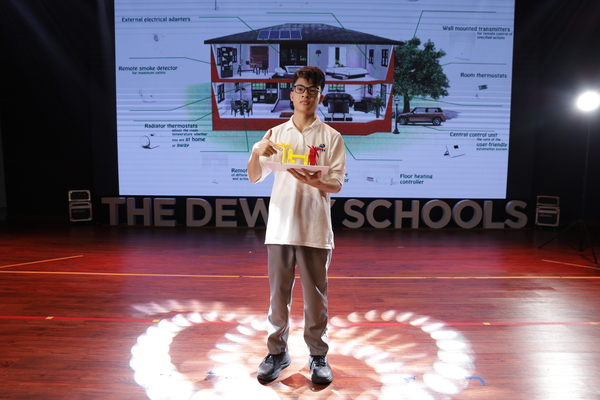
When individuals possess the capacity to self-learn and self-cultivate, every act of learning does not merely add new knowledge—it creates a new version of themselves. Self-invention is an ongoing internal reconstruction, where each self-constructed piece of knowledge transforms a person-who-did-not-know into a person who now knows, understands more deeply, and acts more intentionally.
Learning becomes a continuous, transformative flow—where every experience is a step forward, advancing both thinking and life competencies. A school, therefore, must be a place that organizes children’s growth through the pathway of self-learning.
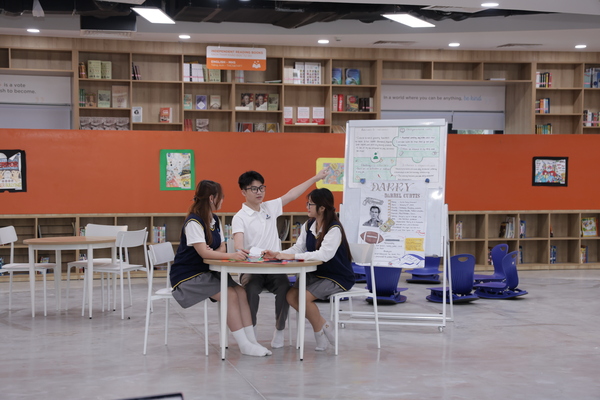
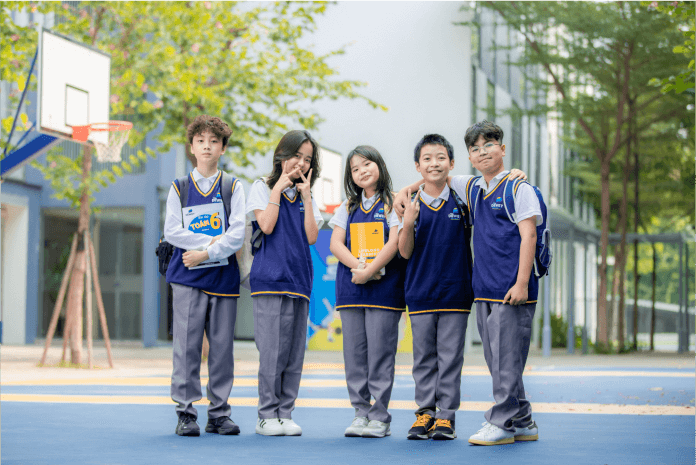
At The Dewey Schools, experiential education is not about producing students who merely “meet standards,” but about nurturing learners who can continuously create knowledge and grow confidently in an ever-changing world. And through that journey, students truly self-invent—becoming independent, self-directed, and free individuals.