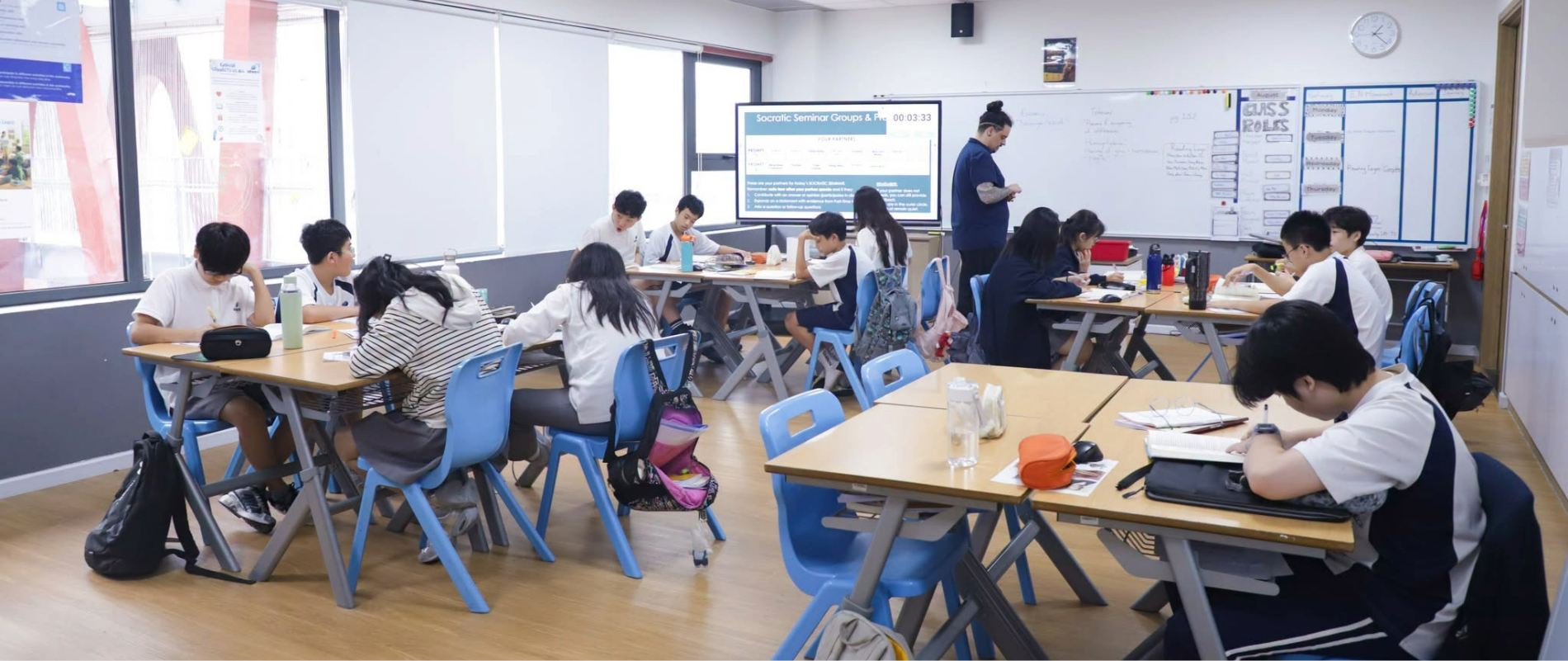

Recently, The Dewey Schools collaborated with the Blue Dragon organization to hold a workshop on the issue of human trafficking for IB program students. This session formed an integral part of the Individuals & Societies curriculum and also contributed to the school’s goal of integrating social-emotional learning and safety skills into the core curriculum in accordance with Well-being standards.


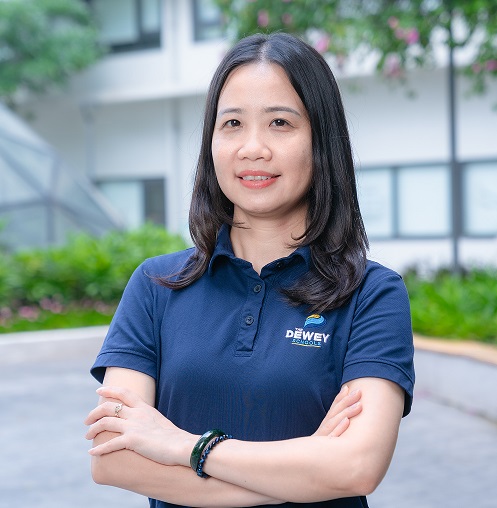
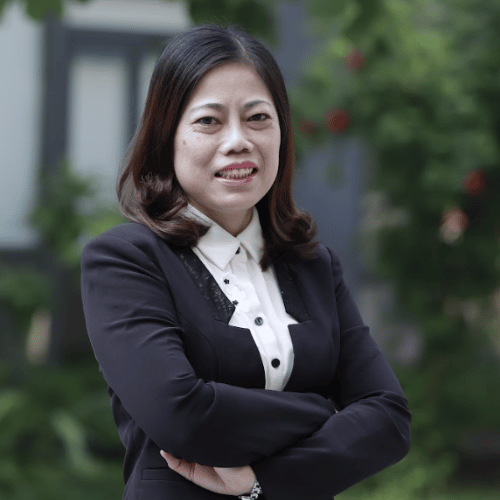
Drawing on their extensive experience supporting children in crisis, including many victims of human trafficking, the speakers provided students with a realistic understanding of the issue while equipping them with practical skills to protect themselves and those around them. Ms. Kim Miller, Asia-Pacific Partnership Lead at Blue Dragon, discussed with TDSers the factors that make children vulnerable to trafficking. Most victims have limited social experiences, making them easy targets for exploitation, while others, due to difficult family circumstances, must work from a young age, increasing their risk of falling into traps.
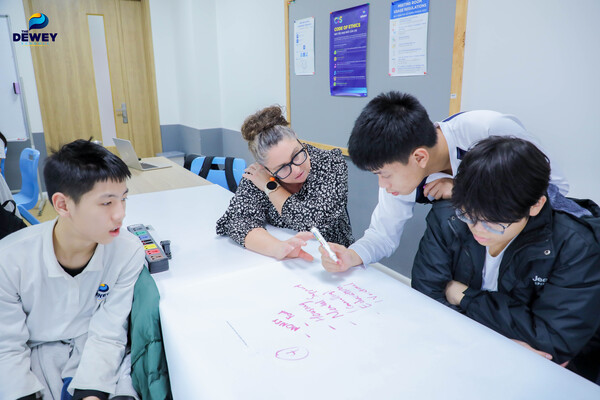
In a particularly engaging segment, TDSers participated in role-playing exercises that simulated common fraud scenarios, helping them recognize criminal tactics and heighten their vigilance. Students also learned about laws related to child labor and the legal framework for addressing human trafficking crimes.
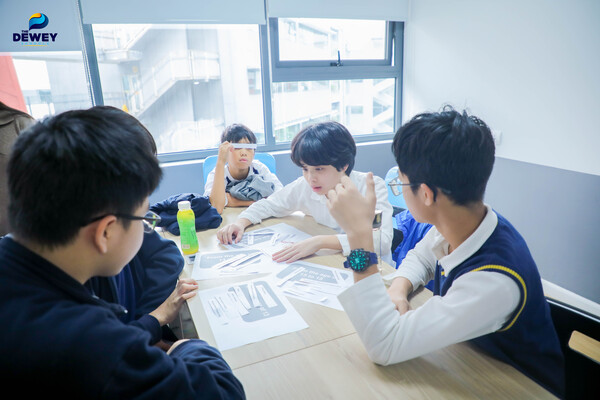
Regarding the purpose of the workshop, speaker Trần Thị Hương Ly, School & Community Engagement Officer at Blue Dragon, emphasized that equipping students with knowledge and skills to prevent human trafficking is crucial, especially for adolescents. In today’s digital age, where criminal methods are increasingly sophisticated and unpredictable, this understanding can significantly reduce risks.

Ms. Kim Miller added, “In reality, some perpetrators of wrongdoing were once victims themselves, deceived or coerced into trafficking. We hope that through this workshop, students will develop greater empathy and reduce stigma toward victims of human trafficking. It is also an opportunity to inspire and encourage students to actively contribute to combating this issue.”