
Foundational Philosophy: John Dewey’s Experiential Education
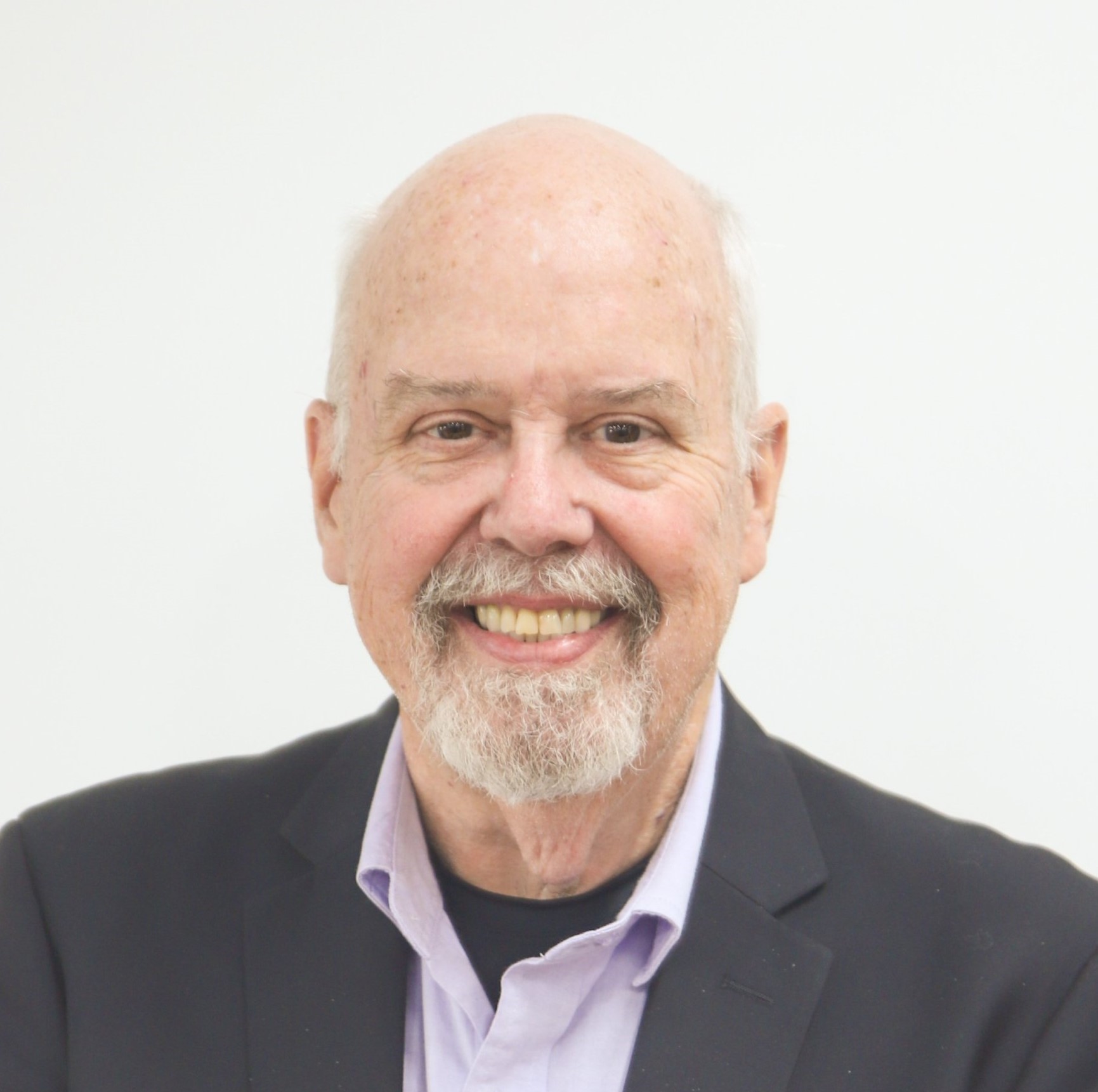
The identity of Dewey is shaped by the experiential education philosophy of John Dewey, the American philosopher and educational reformer. Emerging in the late 19th and early 20th centuries, experiential education represented a revolutionary approach that challenged traditional models focused on rote memorization and passive reception of knowledge. Dewey argued that knowledge is not a static product to be transmitted from teacher to student, but is constructed through active engagement of learners with the world. Students learn best when they experience, observe, experiment, and reflect on their actions, applying knowledge to real-life contexts and thoughtfully considering the outcomes of their experiences.
Placing the learner at the center of the learning process, the core of Dewey’s philosophy emphasizes the importance of understanding children’s experiences to design meaningful learning opportunities. He highlighted learning through doing combined with intentional reflection. Dewey also asserted that the essence of learning is self-directed—students create knowledge for themselves and, through this process, can “create themselves” (Socrates).
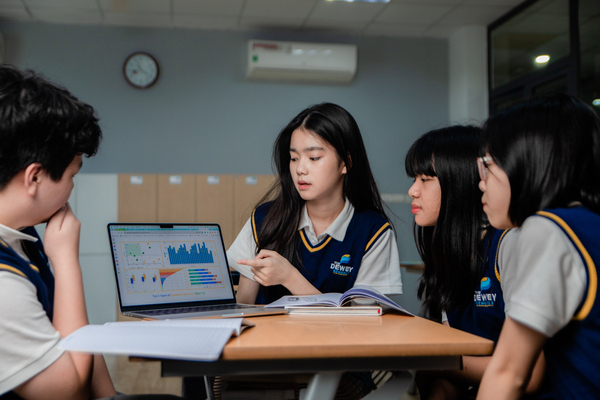
Dewey’s ideas have profoundly influenced modern education. His vision laid the groundwork for contemporary methods such as project-based learning, inquiry-based learning, and design thinking, which encourage students to construct knowledge, solve problems, and develop skills beyond the classroom. Fundamentally, Dewey redefined education as not merely preparation for life, but life itself, leaving a legacy that continues to shape schools worldwide.
From Theory to Practice: Experiential Education at Dewey
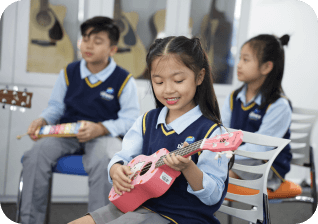
At Dewey, experiential education is not a slogan or an add-on—it is the foundation of daily teaching and learning. Every lesson and activity reflects three pillars: student-centered learning, real-world relevance, and learning through experience with reflection. These pillars create the school’s unique educational identity.
Student-Centered Learning
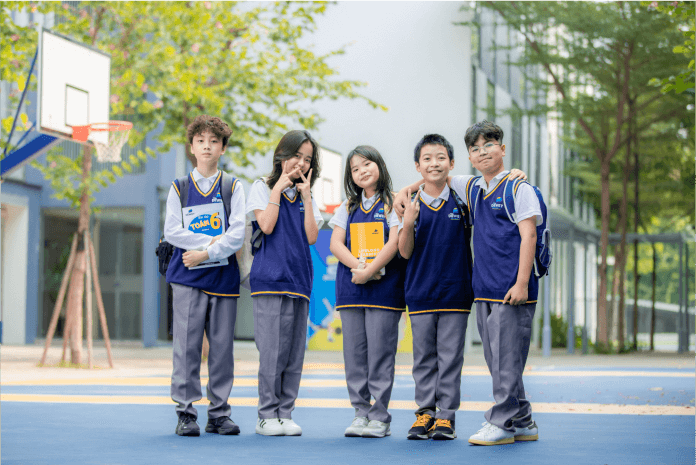
Putting students at the center is a foundational principle of experiential education. However, a common misunderstanding is that Dewey advocated for entirely free, student-led learning. In reality, he believed that education requires a coherent structure. Students need guidance and support to organize their learning effectively. Consequently, the teacher’s role shifts from knowledge transmitter to learning environment designer, crafting experiences where students actively explore and reflect.
Students at Dewey not only complete tasks but also express their opinions, interests, and choices, selecting content and activities that resonate with them. For example, in Grade 4 Vietnamese, when learning to write opinion pieces, students choose topics that matter to them, such as children’s rights, sustainable development, or technology and life. In literature classes, students select favorite authors and works to analyze by theme or genre. In history projects, they can explore specific civilizations, events, or historical figures and present their findings through diverse products.
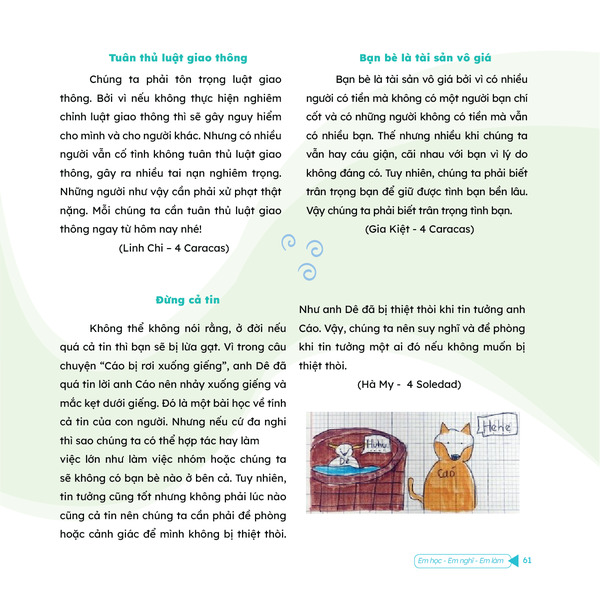
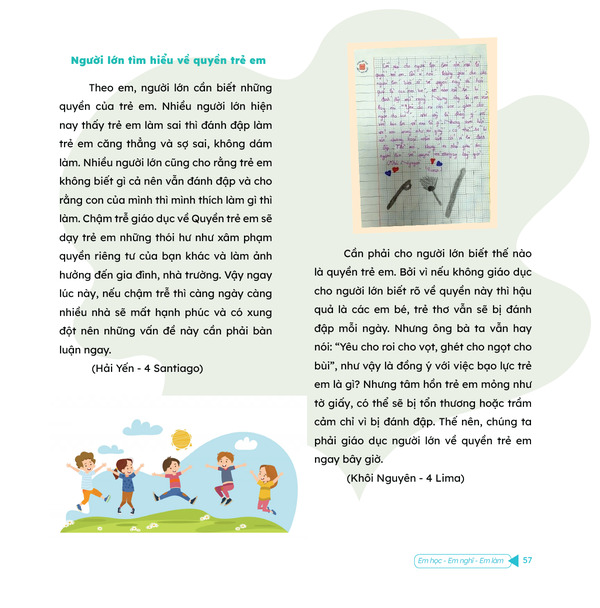
In literature classes, students select favorite authors and works to analyze by theme or genre. In history projects, they can explore specific civilizations, events, or historical figures and present their findings through diverse products.

Grade 8 students engage in an interdisciplinary project integrating Math, IT, and Vietnamese to conduct a scientific study. They identify real-life issues, such as students’ technology habits, sleep quality and academic performance, or consumer behavior. Students design surveys, collect data, apply probability and statistics from Math, analyze results using IT tools, and write scientific-style reports in Vietnamese before presenting their findings at a final showcase.
These examples demonstrate that students’ voices are heard, their choices respected, and they are empowered to take ownership of their learning.
Learning with Real-World Relevance
When John Dewey said, “Education is life,” he emphasized that schools should not be isolated fortresses. Learning should connect directly to the real world. At The Dewey Schools, one of the pillars of experiential education is linking knowledge with real-life contexts. Learning therefore creates knowledgeable individuals capable of taking meaningful action in their communities.
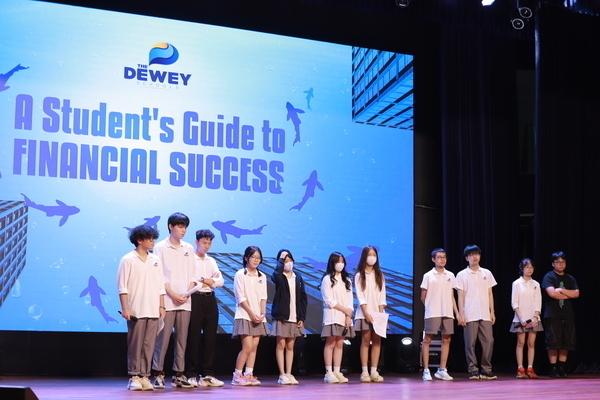
For instance, in Grade 10 Math, the “Saving and Investment” project immerses students in personal finance scenarios: analyzing inflation, tracking the value of money, making decisions about saving or investing virtual funds, and forecasting financial outcomes using graphs and real data. Students apply mathematical knowledge to life situations and develop practical decision-making skills.
In Science, students conduct diverse research and experiments. Grade 5 students in the “Green Energy” project explore sustainable energy sources, creating rechargeable batteries or powering lights with alternative energy. In Grade 9, students process leftover cooking oil into soap, learning chemical reactions and environmental responsibility. Grade 8 students in tissue culture projects create a complete plant from a single plant part, learning modern biotechnology, mass propagation, and conservation of rare plant species. In Grade 10, amid increasing air pollution and disease outbreaks, students study the antibacterial properties of common foods like ginger and lemongrass, testing them on bacteria.
These projects help students apply knowledge, experience the role of real scientists, develop critical thinking, problem-solving skills, and understand science’s impact on society.
Learning Through Doing and Reflection
A core feature of experiential education at Dewey is learning through doing combined with intentional reflection. Students engage directly with real-world problems, experiment, adjust, and draw conclusions. This approach cultivates deep understanding, critical thinking, and problem-solving skills. In Grade 1 Vietnamese, students do not start with letters presented by the teacher; instead, they pronounce, analyze the sounds, and then transcribe according to spelling rules, learning actively rather than passively.
In Science, students follow the path of scientists: observing, questioning, hypothesizing, experimenting, and concluding.
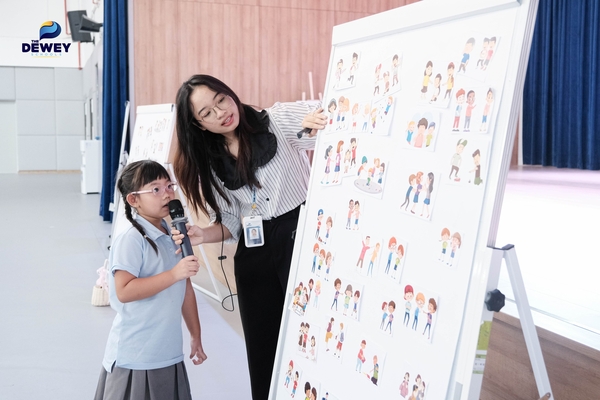
In Science, students follow the path of scientists: observing, questioning, hypothesizing, experimenting, and concluding.
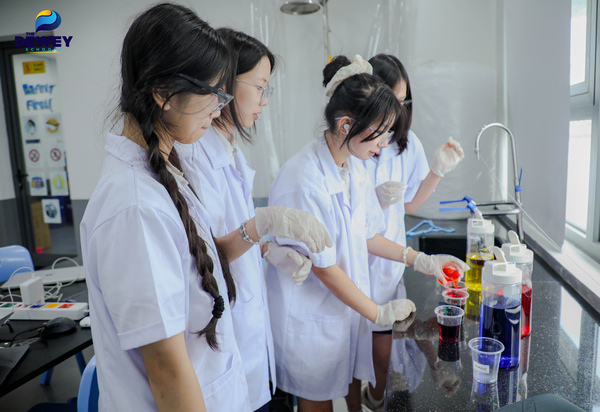
In Grade 6 Math, the “Natural Numbers Business Project” allows students to plan a small business, calculate costs and profits, design a sales website, and promote products. Math becomes a tool for real-world problem-solving, while students experience financial concepts firsthand. Similarly, in English Math, students apply knowledge of slopes to evaluate the safety of school stairs, combining theory with real observation and measurement.
In English, students engage in diverse experiential methods: inquiry-based learning, reading-writing workshops, literature circles, and Socratic seminars. Each activity encourages practical application, reflection, and deeper understanding.

In Way of Living 1, the “I’ve Grown Up” project allows students to reflect on their own growth by collecting clothes, toys, and photos from childhood. No moral lessons are imposed; the process of reflection helps students understand themselves, recognize their development, and take responsibility for their growth.
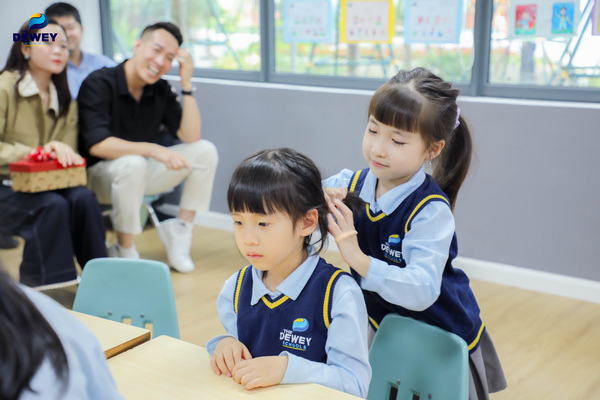
Through learning by doing with reflection, Dewey students not only acquire knowledge but also develop critical thinking, problem-solving skills, self-directed learning, and autonomy—essential skills for lifelong success.
Dewey Experiential Education: Self-learn, Self-educate, & Self-create
At The Dewey Schools, experiential education is not just a method; it is a philosophy and journey through which students grow, take charge of their learning, and shape their lives. Every project, lesson, and activity allows students to learn, explore, and construct knowledge and skills, developing critical thinking, problem-solving abilities, and autonomy.
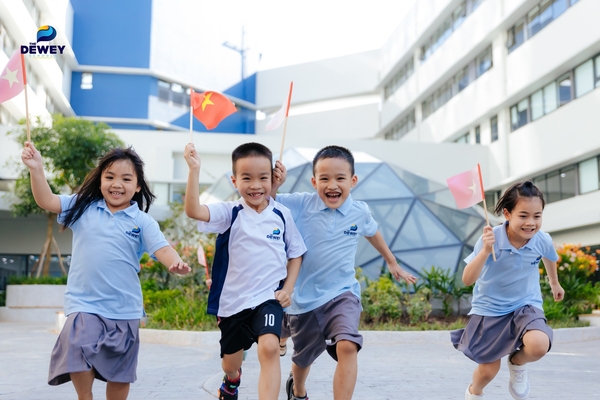
Dewey students do not passively receive knowledge; they are encouraged to self-educate, challenge themselves, reflect, and find their own ways to apply what they learn. Through these experiences, they create themselves—growing into confident, creative individuals ready to face the challenges of the future.
The Dewey Schools believe that experiential education not only helps students learn to know but also learn to live, learn to act, and learn to become their best selves. This is Dewey’s mission and commitment: to inspire joy in learning, nurture independent thinking, and accompany students on the journey of self-discovery.
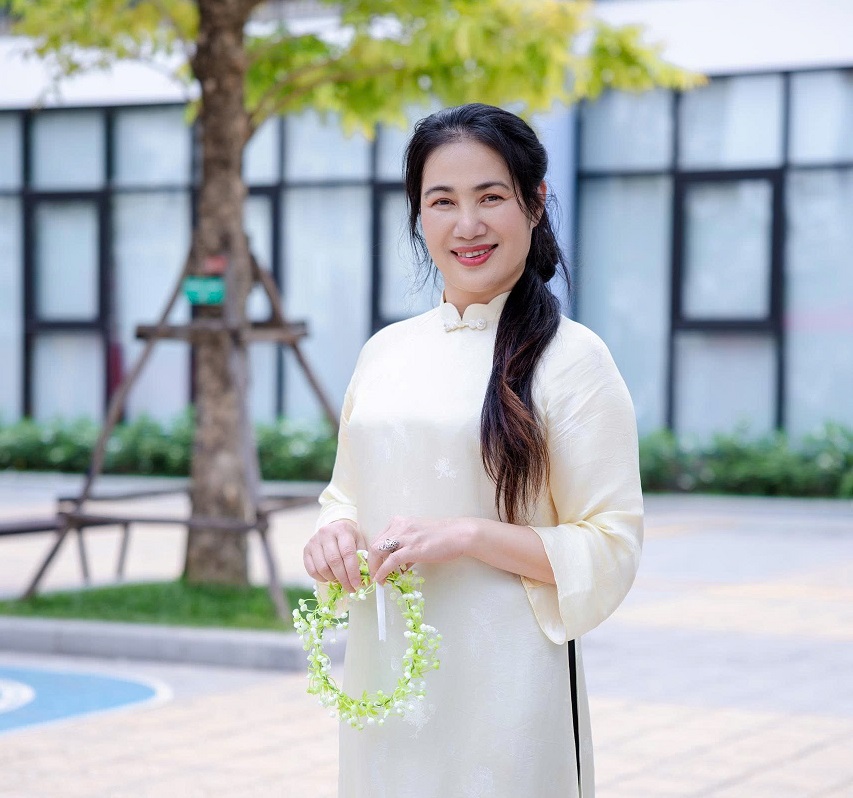
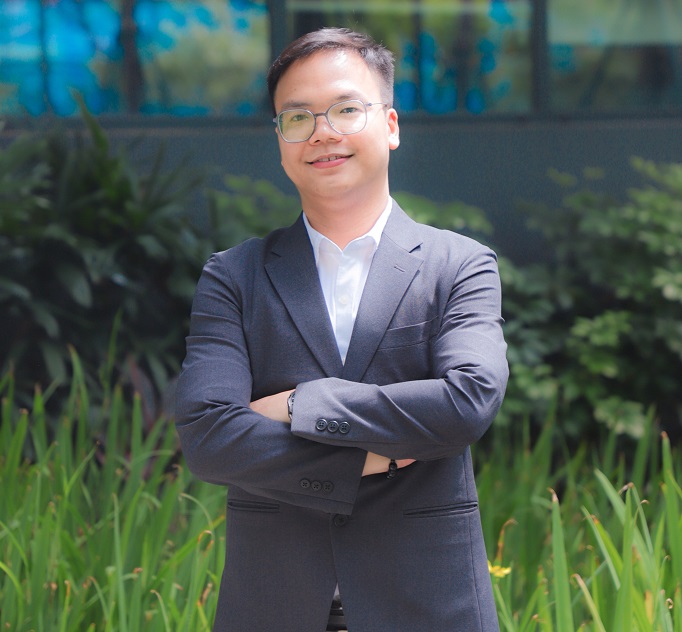
Article written by Ms. Nguyễn Thị Phương Trinh – Educational Research & Pedagogy Council (ERPC), The Dewey Schools.