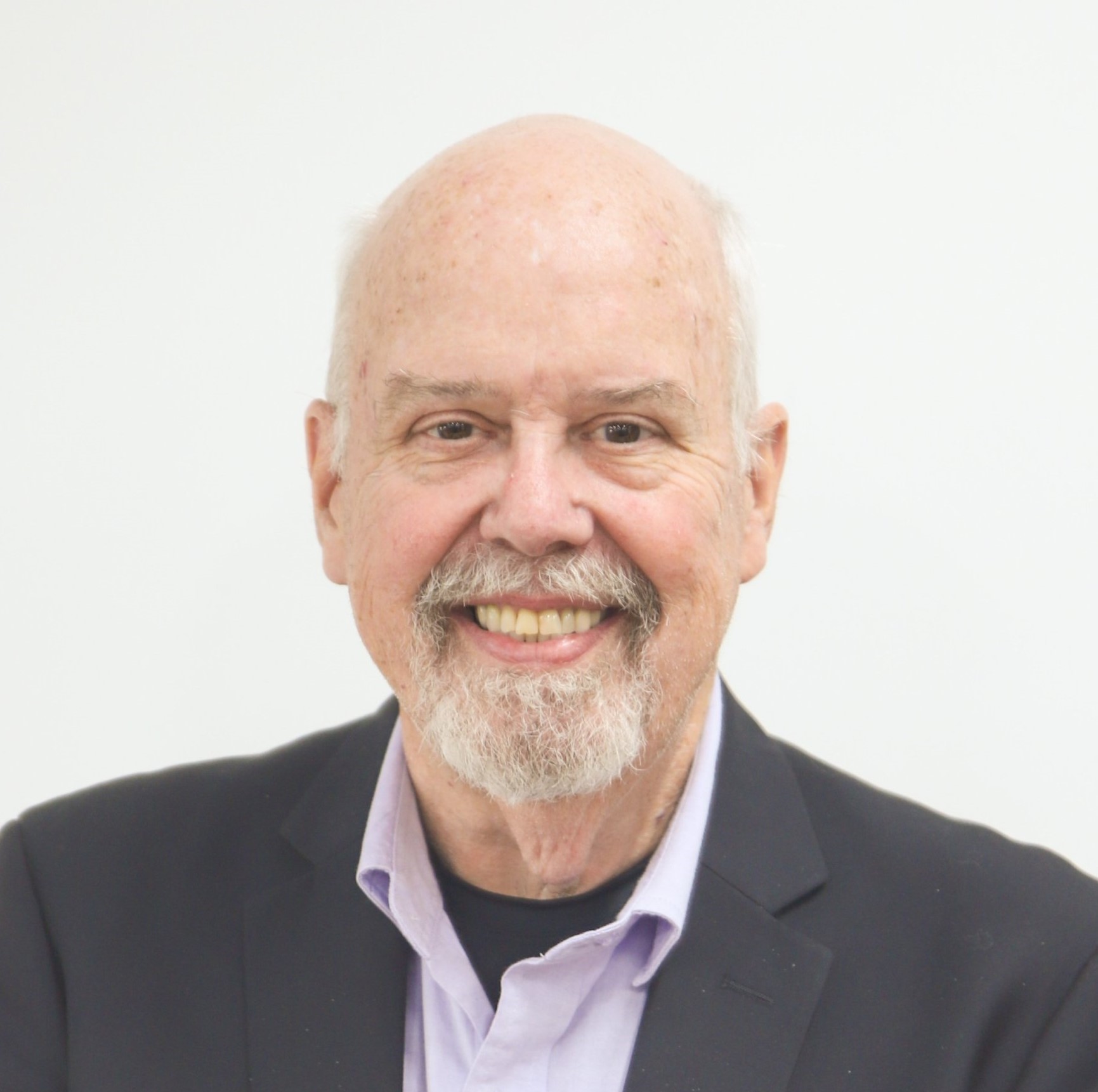

“My child is addicted to games, refuses to study, argues and talks back.” — These are common frustrations for many parents who often feel lost, not knowing how to change their child’s behavior. Yet, as Assoc. Prof. Dr. Lê Văn Hảo reminds us, “Don’t try to fix your child; start by changing yourself.” This powerful message was at the heart of the recent community seminar “Fixing Your Child or Fixing Yourself” held at The Dewey Schools.
More than 40 families joined the session to share, listen, and gain new perspectives under the guidance of the former vice director of the Institute of Psychology, Vietnam Academy of Social Sciences. According to Dr. Hảo, children’s “misbehavior,” defiance, or silence are not signs of something wrong— “Behind every behavior lies an unmet need, a quiet plea: Please understand me.”

When parents constantly scold, pressure, or remind their children, they may unintentionally cause them to withdraw, feel anxious, fear mistakes, and lose connection. Conversely, when parents learn to respond calmly, respectfully, and empathetically, their children begin to open up and naturally adjust their behavior.
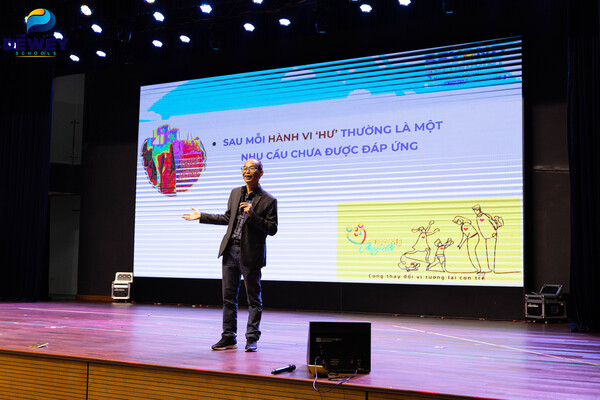
Dr. Hảo emphasized that positive discipline is neither indulgence nor strict control — it is about setting boundaries and rules together with the child. Parents can start by observing their own emotions, listening to their child’s feelings, and communicating clearly, gently, yet consistently. That is why practicing positive discipline daily is so essential. To support parents on this journey, the course “Positive Parenting”, led by Dr. Hảo, was launched and has received enthusiastic feedback over the past year.
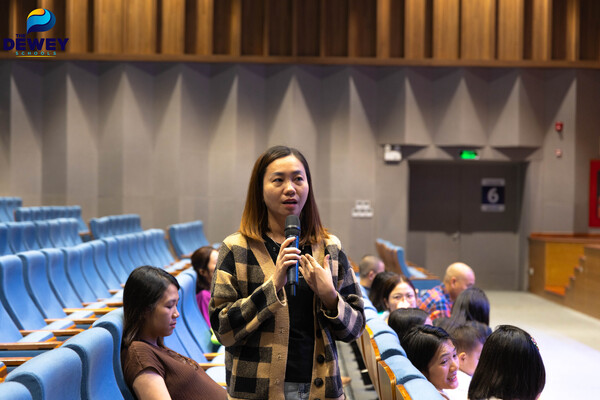
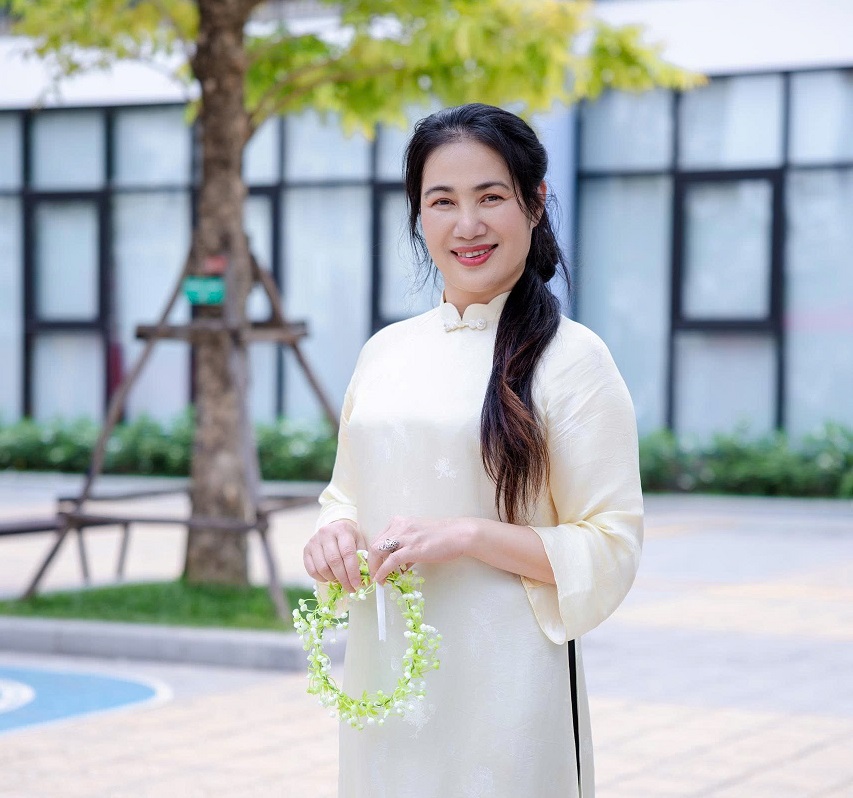
Parent Nguyễn Thị Hương Giang shared: “The ‘active listening’ session made me realize that my child doesn’t always need advice — she needs to be understood. I’ve learned to be more patient and to respect her emotions, as well as those of my colleagues. As a result, both my home and workplace have become warmer and more harmonious.”
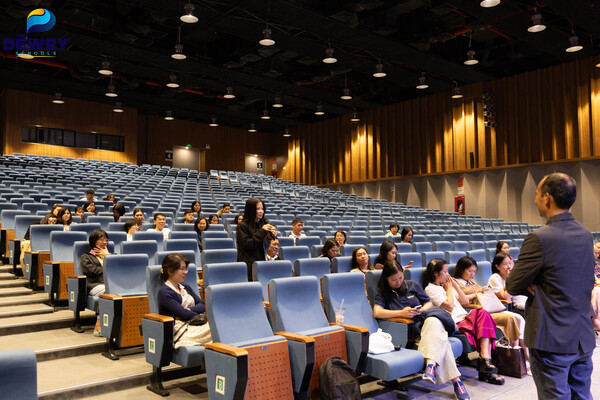
In the 2025–2026 school year, The Dewey Schools will continue to offer the “Positive Parenting” course, featuring 10 practical sessions throughout the year. The program aims to help parents understand themselves and their children — so that, as they grow up, children can feel the love, peace, and trust that come from their own family.